Explore chimney masonry repair in Sag Harbor, NY, including damaged bricks, mortar repointing, structural warning signs, and practical restoration insight.
A brick chimney contributes to a home’s exterior appearance while protecting the venting structure from outdoor exposure. However, cracked bricks, weakened mortar joints, and deteriorating masonry can gradually affect its condition. Homeowners in Sag Harbor, NY, may notice loose mortar, flaking brick surfaces, or visible gaps along the chimney without knowing whether the damage requires minor repairs or more extensive restoration. Addressing these changes before deterioration spreads can help preserve the existing masonry and reduce further moisture-related problems.
TrueLine Home Improvement Inc provides chimney restoration and exterior masonry services for residential properties. Repairing damaged chimney masonry requires an understanding of brick conditions, mortar compatibility, structural stability, and how different components respond to moisture.
Some chimneys need individual brick replacement or repointing, while others may require partial reconstruction when the existing materials are no longer suitable for continued use. Choosing the appropriate approach starts with identifying where deterioration has occurred and whether the surrounding masonry remains stable.
Why Chimney Masonry Deteriorates Over Time
Masonry chimneys are constructed using individual bricks or other masonry units connected by mortar joints. Together, these materials form the exterior structure and help protect the chimney system from environmental exposure. Although masonry is durable, it is not immune to gradual deterioration caused by moisture, movement, aging materials, or previous repairs.
Professional Chimney services may involve replacing deteriorated bricks, restoring mortar joints, repairing upper chimney sections, and correcting exterior defects that contribute to masonry damage.
One common cause of deterioration is water entering through damaged joints or exposed brick surfaces. Moisture can move into porous materials and weaken vulnerable sections over time. During freezing conditions, absorbed water may expand and contribute to cracking or surface damage.
Natural movement can also affect masonry. Small changes in the building or chimney structure may place stress on mortar joints and individual bricks. Where movement becomes significant, ordinary surface repairs may not be sufficient.
The condition of previous repair materials matters as well. Mortar that is incompatible with older bricks can sometimes contribute to further deterioration instead of protecting the masonry.
Understanding these causes helps determine whether the chimney needs localized repairs or a broader restoration plan.
Common Signs of Damaged Chimney Brickwork
Brick deterioration often becomes noticeable through changes in the surface, mortar joints, or alignment of the chimney. Some warning signs are visible from the ground, while others may require a closer professional inspection.
Cracked bricks are among the most recognizable indicators. A small isolated crack may have a different cause and level of concern than widespread cracking across several masonry courses. The location, pattern, and depth of the damage help determine the appropriate response.
Spalling is another common condition. It occurs when portions of the brick face break or flake away, leaving the remaining material more exposed. Repeated moisture absorption and freezing conditions can contribute to this type of deterioration.
Homeowners may also notice mortar joints that appear recessed, loose, or powdery. As these joints weaken, gaps can develop between bricks and increase vulnerability to water penetration.
Other warning signs include:
- White mineral deposits appearing repeatedly on masonry
- Bricks separating from surrounding mortar joints
- Cracks extending through multiple masonry units
- Loose brick fragments collecting near the chimney
- Bulging or visibly displaced chimney sections
- Uneven masonry alignment or noticeable leaning
A chimney displaying significant movement or unstable masonry should receive prompt professional evaluation. These conditions may involve structural concerns beyond ordinary brick replacement.
Chimney Masonry Repair and Mortar Repointing
Mortar joints are essential to the performance of a masonry chimney. They help connect individual bricks and distribute forces throughout the structure while accommodating the characteristics of the masonry assembly.
Over time, exposed mortar can deteriorate, especially where moisture repeatedly enters vulnerable joints. When mortar becomes loose or recessed, repointing may be an appropriate repair method.
Repointing involves carefully removing deteriorated mortar to a suitable depth and installing compatible replacement mortar. The process requires attention to the existing brickwork because aggressive removal techniques can damage surrounding masonry.
The replacement mortar should suit the age, condition, and properties of the existing bricks. Using an excessively hard mortar with softer masonry can sometimes contribute to brick damage as the materials respond differently to movement and moisture.
Proper joint preparation is also important. New mortar should be installed against suitable surfaces rather than placed over loose or failing material.
Homeowners considering chimney brick restoration in Sag Harbor, NY should ask whether the deterioration is limited to the mortar or extends into the bricks themselves.
Repointing can improve deteriorated joints, but it cannot restore severely damaged masonry units or correct structural movement.
When Individual Chimney Bricks Need Replacement
Not every damaged brick can be restored through mortar repairs. Some masonry units become too cracked, weakened, or deteriorated to remain suitable for continued use.
Individual brick replacement may be appropriate when the surrounding structure remains stable and the damage affects a limited area.
The repair begins with identifying which bricks need replacement and whether nearby joints or masonry units have also deteriorated.
Removing a damaged brick requires care to avoid disturbing otherwise sound materials. Once the defective unit is removed, the surrounding area should be prepared for a compatible replacement.
Selecting a suitable brick involves more than matching its color. Size, durability, moisture characteristics, and compatibility with the existing structure influence performance.
A replacement brick that behaves very differently from the surrounding masonry may create maintenance concerns over time.
Mortar selection and joint finishing should also reflect the original chimney construction.
When deterioration affects numerous bricks across a large section, replacing individual units may no longer be the most practical approach. A broader masonry assessment can help determine whether partial rebuilding is necessary.
Understanding Chimney Masonry Cracks
Cracks can develop for different reasons, and their appearance alone does not always reveal the underlying cause.
Fine cracks in mortar may result from material aging or localized movement. Larger cracks extending through several bricks can indicate more substantial stress or displacement.
Vertical cracks, horizontal separation, and stepped cracking patterns may have different implications depending on the structure and location.
A crack near the chimney crown may relate to deterioration in the upper masonry, while separation close to the roofline could require investigation of the surrounding construction.
Homeowners should avoid assuming that filling a visible opening will permanently resolve the problem.
If the chimney continues to move or moisture enters through another pathway, the crack may return.
A proper assessment should consider whether the masonry is stable, whether water has contributed to deterioration, and whether adjacent components require attention.
For significant cracking or visible movement, a qualified structural professional may need to evaluate the chimney before repair work proceeds.
Choosing Between Masonry Repair and Partial Rebuilding
The extent of deterioration helps determine whether a chimney can be repaired or requires partial reconstruction.
Localized repair may be appropriate when individual bricks or mortar joints are damaged but the remaining masonry is stable.
Partial rebuilding becomes more relevant when an entire section has weakened or the upper chimney contains extensive deterioration.
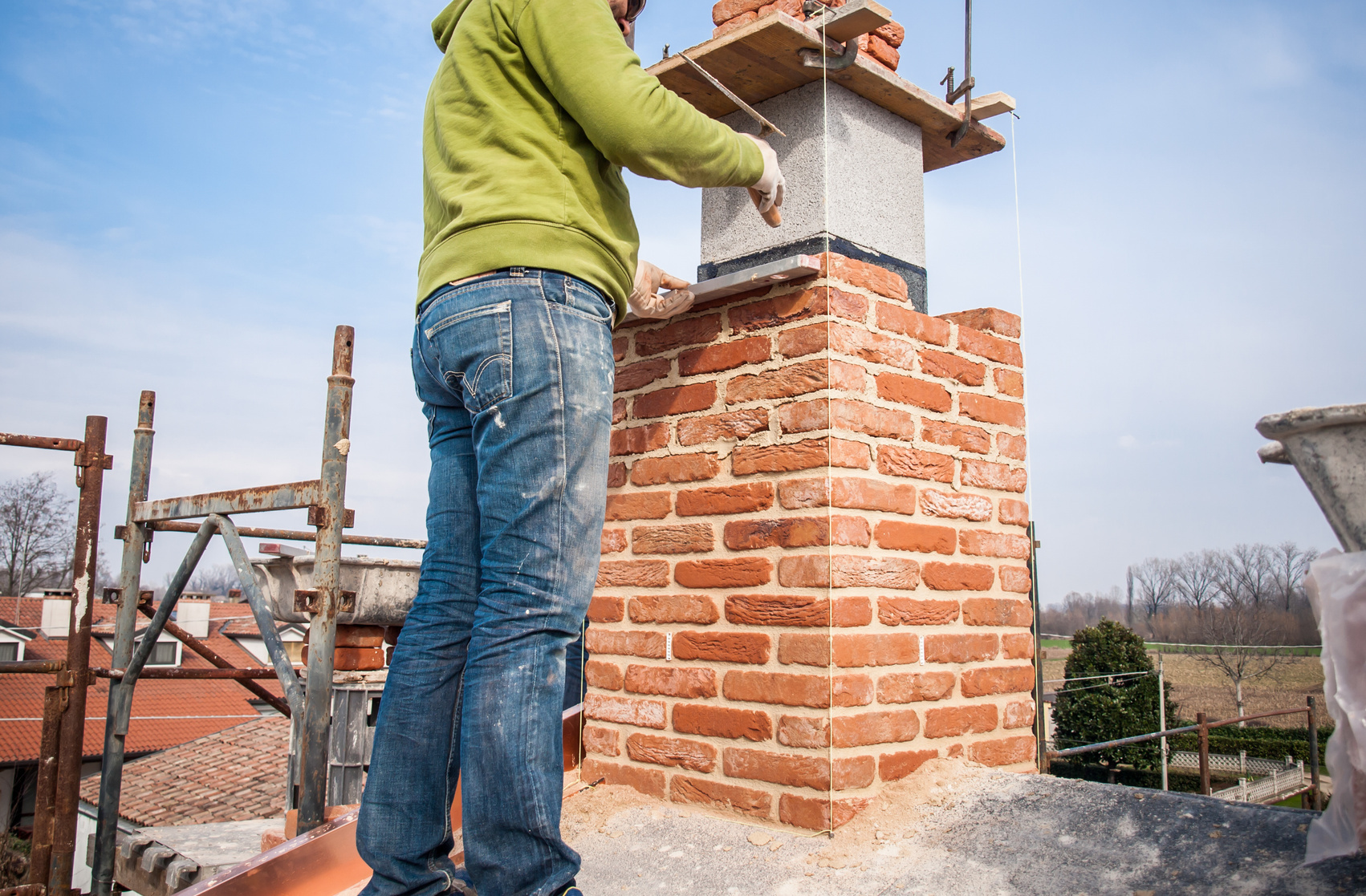
For example, widespread damage above the roofline may require removing the affected courses and reconstructing that portion using suitable masonry materials.
The remaining structure must be evaluated before new brickwork is installed.
A complete chimney rebuild is a larger undertaking and is generally considered when extensive structural or material deterioration prevents safe retention of the existing masonry.
The decision should be based on inspection findings rather than appearance alone.
TrueLine Home Improvement Inc offers chimney rebuilding and restoration services for homeowners evaluating different levels of masonry damage.
A clearly defined repair scope should explain which materials will remain, which sections require removal, and how the reconstructed masonry will connect with the existing structure.
How Chimney Crowns Affect Masonry Condition
The chimney crown helps protect the upper portion of a masonry chimney from rainwater.
It forms a protective surface around the flue opening and is intended to direct water away from vulnerable brickwork.
When a crown develops cracks or loses its ability to shed water effectively, moisture may enter the masonry below.
This can contribute to deteriorating mortar joints, damaged bricks, and other moisture-related conditions.
A crown repair should account for the existing material, construction details, and extent of damage.
Small defects may be repairable where the underlying crown remains suitable. More extensive deterioration may require reconstruction.
Homeowners should distinguish between the crown and the chimney cap.
Chimney cap installation helps protect the flue opening from rain and certain types of debris, while the crown protects the masonry surface around that opening.
Both components can contribute to maintaining the chimney, but neither replaces necessary brick or mortar repairs.
Managing Moisture Around Chimney Masonry
Moisture control is an important consideration when restoring a masonry chimney.
Rainwater may enter through cracked mortar, damaged bricks, deteriorated crowns, or defective flashing where the chimney meets the roof.
A masonry repair project should therefore consider how water reaches the affected areas.
For example, repointing deteriorated mortar may not resolve recurring damage if defective flashing continues allowing water into the surrounding construction.
Similarly, installing a water-repellent treatment over damaged masonry without completing necessary repairs can leave the underlying problem unresolved.
Some suitable masonry surfaces may benefit from compatible water-repellent treatments after appropriate repairs and preparation.
However, the selected product should allow for the characteristics of the existing materials and should not interfere with necessary drying.
Homeowners should ask how the proposed work addresses the source of moisture rather than focusing exclusively on visible damage.
Correcting the cause supports the effectiveness of the masonry repair.
Why Mortar Compatibility Matters for Older Chimneys
Older masonry structures may contain bricks and mortar with different characteristics from modern construction materials.
These differences are important when planning restoration.
Some older bricks are relatively soft and require mortar that responds appropriately to moisture movement and structural conditions.
Installing a substantially harder mortar can sometimes cause the brick faces to deteriorate while the joints remain comparatively rigid.
Matching existing mortar involves considering its strength, composition, joint profile, and compatibility with the surrounding masonry.
Appearance is another concern.
Replacement mortar that differs significantly in color or texture may make repaired sections more noticeable.
However, visual matching should not take priority over suitable material performance.
For older homes, preserving sound original masonry can be preferable to unnecessary replacement when conditions permit.
A careful repair approach should balance material compatibility, structural requirements, and the building’s existing appearance.
Chimney Repair Planning for Nearby Residential Properties
Homeowners researching chimney brickwork and masonry restoration in Riverhead, NY may face similar decisions involving cracked bricks, deteriorated mortar, and damaged upper chimney sections.
The appropriate work depends on the condition of the property rather than using the same repair method for every chimney.
One structure may require repointing along several exposed joints, while another may need replacement bricks or reconstruction of deteriorated masonry above the roof.
Roof accessibility, chimney dimensions, material compatibility, and the extent of existing damage can all influence the project.
A professional assessment should identify the affected areas and explain how the proposed repairs will restore suitable masonry conditions.
What Happens During a Chimney Masonry Restoration Project?
Masonry restoration begins with examining the damaged sections and establishing the appropriate repair scope.
The contractor should identify loose bricks, weakened mortar, visible cracking, and areas where moisture may be entering.
Access arrangements are then considered.
Depending on chimney height and roof configuration, scaffolding or other appropriate equipment may be necessary to reach the affected masonry safely.
Damaged mortar or bricks are removed according to the planned repair method. Careful preparation helps protect adjacent sound materials.
Replacement masonry and compatible mortar are installed using suitable techniques.
Where partial rebuilding is necessary, the new masonry must be properly integrated with the retained chimney structure.
Related components, such as the crown and flashing, may also require attention if they contributed to the damage.
After construction, the repaired masonry should be reviewed for workmanship and appropriate finishing.
The exact process depends on the chimney’s condition and the extent of the restoration.
Evaluating Chimney Masonry Repair Estimates
A useful estimate should describe the areas being repaired and the work involved.
Homeowners should understand whether the project includes repointing, individual brick replacement, crown repairs, or partial rebuilding.
The proposed materials should also be identified where practical.
If deteriorated masonry must be removed, the contractor should explain how much removal is anticipated and whether additional damage may be discovered.
Access arrangements and cleanup responsibilities should be clear.
For chimneys connected to active fireplaces or heating appliances, homeowners should also determine whether a separate inspection of the flue and venting system is needed.
Exterior masonry restoration does not automatically confirm that the internal chimney system is suitable for operation.
Comparing detailed scopes helps homeowners evaluate proposed repairs more effectively than comparing prices without understanding the work involved.
Maintaining Restored Chimney Brickwork
After masonry repairs are completed, homeowners should continue monitoring the chimney’s condition.
Visible changes such as new cracks, deteriorating joints, recurring stains, or displaced bricks may indicate the need for additional evaluation.
Regular attention to chimney crowns, caps, and flashing can help identify moisture-related concerns before extensive deterioration develops.
Homeowners can safely document visible conditions from the ground using photographs.
Climbing onto a roof or attempting to remove unstable masonry without appropriate training and equipment creates unnecessary safety risks.
For actively used fireplace systems, professional chimney inspections remain important even when the exterior masonry has been repaired.
Chimney sweep and cleaning services may also be needed according to the fireplace’s usage and the condition of the flue.
Keeping records of repair materials, completed work, and inspection findings makes future maintenance easier to manage.
Conclusion
Chimney masonry deterioration can involve cracked bricks, weakened mortar, moisture intrusion, and structural movement. The appropriate repair depends on identifying the damaged materials, understanding the underlying causes, and determining whether localized restoration or more extensive rebuilding is necessary.
TrueLine Home Improvement Inc provides chimney masonry restoration and related exterior repair services for homeowners evaluating these conditions.
Addressing deterioration with compatible materials and a clearly defined repair plan can help preserve the chimney’s existing structure and support more manageable long-term maintenance.
Frequently Asked Questions
1. What causes chimney mortar to deteriorate?
Mortar can weaken because of prolonged moisture exposure, temperature changes, material aging, and structural movement. The condition of surrounding bricks and protective chimney components may also influence deterioration.
2. Can damaged chimney bricks be replaced individually?
Yes. Individual brick replacement may be appropriate when deterioration is localized and the remaining masonry is structurally sound. Extensive damage may require partial rebuilding.
3. What is the difference between chimney repointing and rebuilding?
Repointing involves replacing deteriorated mortar joints while retaining suitable existing masonry. Rebuilding involves removing and reconstructing damaged chimney sections when localized repairs are insufficient.
4. Is cracked chimney masonry always a structural problem?
No. Some cracks may be localized, while others can indicate movement or instability. The pattern, location, and extent of cracking should be evaluated before selecting a repair method.
5. Can chimney waterproofing replace masonry repairs?
No. Water-repellent treatments cannot restore loose mortar, severely damaged bricks, or unstable masonry. Necessary repairs should be completed before considering a compatible protective treatment.
6. How can homeowners protect chimney masonry after repairs?
Regular visual monitoring, appropriate chimney inspections, and attention to flashing, crowns, and moisture entry can help identify new problems. Maintenance should reflect the chimney’s materials, condition, and usage.