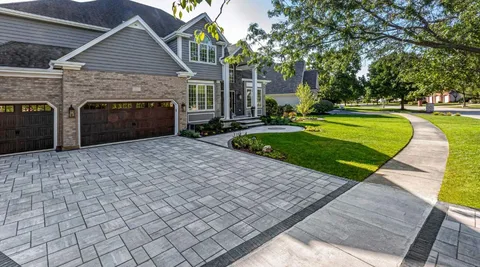
A driveway does more than provide a place to park. It shapes the entrance to your home, handles daily vehicle traffic, and faces changing weather throughout the year. In Sag Harbor, NY, outdoor surfaces must withstand rainfall, winter freezing, summer heat, and coastal moisture. Therefore, choosing the right materials and installation methods matters.
Homeowners considering reliable driveway paver installation should look beyond appearance. A well-planned driveway needs a stable foundation, proper drainage, and paving materials suited to vehicle loads. Even attractive pavers can shift or settle when installers overlook these details.
Unlike a continuous concrete surface, individual driveway pavers offer design flexibility and allow repairs to specific sections. However, their performance depends on careful preparation and installation.
TrueLine Home Improvement provides exterior improvement services, including paver installation, for homeowners in Sag Harbor and Riverhead, NY. Understanding the installation process helps property owners make informed decisions before starting a driveway project.
What Makes Driveway Paver Installation a Practical Home Improvement?
Driveway pavers combine everyday function with attractive outdoor design. They come in different shapes, colors, textures, and patterns, allowing homeowners to create an entrance that complements their property.
Benefits of Choosing Driveway Pavers
A properly constructed paver driveway offers several practical advantages.
Individual pavers allow targeted repairs when damage occurs. Contractors can remove affected pieces without replacing the entire driveway.
Additionally, quality driveway pavers provide several design options for traditional and modern homes. Concrete pavers are a common choice because manufacturers offer products designed for vehicle traffic.
However, not every paver suits a driveway. Homeowners should confirm that their selected materials meet the manufacturer’s requirements for vehicular use.
Drainage also deserves attention. Standard paver surfaces still require proper grading, while specially designed permeable systems can help manage stormwater when installed correctly.
For Sag Harbor properties, material selection should consider winter maintenance, exposure to moisture, and regular vehicle loads.
How Professional Driveway Paver Installation Works
A durable driveway starts below the visible surface. Contractors must prepare the ground carefully before placing the first paver.
Essential Steps for Reliable Driveway Construction
Expert driveway paver installation generally follows five important stages:
- Site assessment: Evaluate soil conditions, driveway dimensions, access, and existing drainage.
- Excavation: Remove unsuitable material to create space for the required foundation.
- Base preparation: Install and compact suitable aggregate in layers for dependable support.
- Paver placement: Arrange pavers in the selected pattern while maintaining alignment.
- Joint filling and finishing: Install suitable joint material, complete compaction, and inspect the surface.
Furthermore, edge restraints help prevent pavers from spreading under traffic.
The required foundation depth depends on soil conditions, traffic loads, and the selected paving system. Therefore, installers should follow applicable specifications rather than using one standard depth for every property.
Choosing the Right Materials and Driveway Patterns
Material selection affects appearance, maintenance, and long-term performance. Homeowners should compare products based on strength, surface texture, climate suitability, and intended use.
Popular Paver Options for Residential Driveways
Concrete pavers offer a range of shapes and colors. Brick pavers provide a traditional appearance, while suitable natural stone products create distinctive finishes.
For professional interlocking paver installation in Sag Harbor, NY, installers must consider paver thickness, joint spacing, and laying patterns. Interlocking patterns can help distribute vehicle loads when paired with a properly engineered base.
Five useful selection factors include material strength, slip resistance, color, maintenance requirements, and compatibility with the home’s exterior.
For example, a herringbone pattern often works well for driveways because its arrangement helps resist movement from turning vehicles.
Meanwhile, lighter colors may reduce surface heat absorption compared with darker options.
Homeowners should request product specifications and review physical samples before choosing their final design.
Why Drainage and Ground Preparation Matter
Poor drainage can shorten a driveway’s service life. Water that collects around or beneath paving may weaken supporting materials and contribute to movement.
Preventing Common Driveway Problems
A well-designed driveway directs surface water away from vulnerable areas. Additionally, proper base construction reduces uneven settlement.
Homeowners should consider five factors before installation: surface slope, soil drainage, nearby foundations, downspout discharge, and surrounding landscaping.
Experienced outdoor paver contractors in Riverhead, NY, assess these conditions before recommending an installation approach.
In Sag Harbor, seasonal freezing makes moisture control especially relevant. Water entering poorly prepared supporting layers can contribute to frost-related movement.
However, grading must also protect neighboring properties. Contractors should avoid directing runoff toward adjacent homes or walkways.
Where drainage conditions are difficult, a suitable drainage system or permeable paving design may be necessary.
Common Driveway Installation Mistakes to Avoid
Even high-quality paving materials can perform poorly when installation shortcuts affect the foundation.
Five Mistakes That Can Reduce Driveway Durability
Homeowners planning affordable driveway paver installation should understand these common problems:
- Insufficient excavation: A shallow foundation may not provide adequate structural support.
- Poor base compaction: Loose aggregate can settle beneath vehicle traffic.
- Incorrect paver selection: Products intended for patios may not withstand driveway loads.
- Missing edge restraints: Unsupported edges can move outward over time.
- Inadequate drainage: Standing water may create maintenance and stability problems.
Moreover, choosing an installer based only on the lowest estimate can overlook important construction details.
A useful proposal should explain material specifications, preparation methods, drainage provisions, and project scope.
TrueLine Home Improvement offers residential paver services that homeowners can discuss when evaluating driveway improvements.
Before approving a project, ask how the installer will address existing ground conditions and protect nearby landscaping.
Maintaining a Paver Driveway Through Every Season
Regular care helps preserve the appearance and condition of a paved driveway. Fortunately, most routine maintenance involves straightforward inspections and cleaning.
Simple Maintenance Practices for Long-Term Performance
After professional driveway paver installation, homeowners should follow five practical maintenance habits.
First, sweep away leaves, dirt, and debris before buildup affects the surface.
Second, inspect joints for missing material and replenish it according to the paving system’s requirements.
Third, address stains promptly using cleaning products approved by the paver manufacturer.
Fourth, monitor the surface for settlement, loose edges, or drainage problems.
Finally, use winter maintenance tools and deicing products that suit the selected pavers.
Avoid aggressive pressure washing because it can remove joint material or damage certain surfaces.
Additionally, inspect areas near downspouts after heavy rainfall. Persistent pooling may indicate a drainage issue that needs professional attention.
Routine maintenance cannot correct a poorly constructed foundation. However, it can help identify small problems before repairs become more extensive.
Conclusion
A well-planned paver driveway can improve a home’s entrance while supporting everyday vehicle use. However, lasting performance requires more than attractive paving stones.
Proper excavation, compacted base materials, suitable paver selection, effective drainage, and careful finishing all contribute to a dependable driveway.
For Sag Harbor homeowners, local weather and property conditions deserve attention during planning. Seasonal freezing, rainfall, and ground moisture can affect outdoor paving, particularly when preparation falls short.
Homeowners in Riverhead, NY, can also benefit from reliable driveway paving contractors who understand the importance of site assessment and proper construction methods.
Before choosing a contractor, compare written estimates carefully. Ask about foundation preparation, material suitability, drainage, installation methods, and maintenance expectations. Additionally, discuss potential repairs to existing surfaces before work begins.
A thoughtful driveway design should balance appearance, practical use, and realistic maintenance needs. The right materials and installation approach will depend on each property’s conditions.
If you’re planning a driveway improvement, TrueLine Home Improvement can help you explore available paver installation options in Sag Harbor and Riverhead, NY.
Frequently Asked Questions
How long does a paver driveway typically last?
A properly installed paver driveway can last for decades. However, actual lifespan depends on materials, foundation quality, traffic, drainage, and maintenance.
Are driveway pavers better than poured concrete?
Pavers offer design flexibility and easier localized repairs. Poured concrete may have a lower initial installation cost, depending on site conditions.
Can driveway pavers handle heavy vehicles?
Yes, when contractors select appropriate pavers and construct a foundation designed for expected vehicle loads.
How often should a paver driveway be cleaned?
Routine sweeping and occasional washing usually help control dirt. The cleaning schedule depends on traffic, tree cover, and surface conditions.
Do driveway pavers require sealing?
Not always. Sealing depends on material type, manufacturer guidance, desired appearance, and exposure conditions.