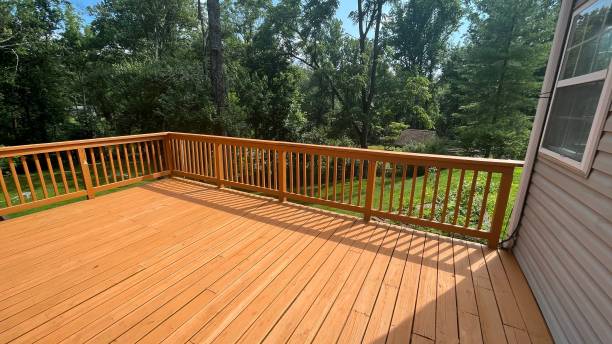
Create lasting outdoor living with custom deck construction in Rocky Point, NY. Learn what matters before you build and make a confident choice.
A deck should be a place where you can relax after work, host family cookouts, or enjoy a quiet morning outside. Yet many homeowners discover too late that poor planning or low-quality materials lead to loose boards, fading surfaces, and expensive repairs. Drawing on the experience of TrueLine Home Improvement Inc, we’ve seen that custom deck construction delivers the best long-term value because it matches the home’s layout, the family’s lifestyle, and the local environment instead of relying on a one-size-fits-all design.
Rocky Point offers beautiful outdoor living for much of the year, but coastal weather brings conditions that every homeowner should consider before starting a project. Salt air, moisture, changing temperatures, and strong sunlight all affect how a deck performs over time. Choosing the right design from the beginning helps avoid many common issues later.
What Custom Deck Construction Really Means
Building a custom deck is more than selecting a size and railing style. Every part of the project should fit the property, local building requirements, and the way the homeowner plans to use the space.
A professional deck builder in Rocky Point, NY, starts by evaluating the yard, drainage, grading, and the home’s existing structure. These details influence everything from footing placement to framing and stair locations.
In Rocky Point, we’ve noticed that most homeowners want outdoor spaces that feel like a natural extension of the home rather than a separate feature added years later. That usually means creating comfortable seating areas, planning traffic flow, and leaving room for grills, outdoor dining, or even future additions like pergolas or lighting.
Material selection also deserves careful thought. Pressure-treated lumber remains a popular option because it is affordable and easy to maintain. Cedar offers a warm, natural appearance, while hardwood species provide excellent durability with proper care.
Many homeowners now choose composite decking because it resists moisture damage, splintering, and insect activity while requiring much less routine maintenance than traditional wood. Although the initial investment may be higher, many families appreciate the reduced upkeep over the years.
Structural quality matters just as much as appearance. Proper ledger attachment, corrosion-resistant fasteners, flashing, joist spacing, and solid footings all contribute to a deck that remains safe for decades instead of only looking attractive during its first few seasons.
Many articles focus almost entirely on colors and design ideas. They rarely explain that structural planning determines how well a deck performs long after the project is finished. A beautiful deck loses its value quickly if movement, water damage, or premature wear develops underneath the surface.
The Real Challenge Homeowners Face in Rocky Point
Living near the water brings unique advantages, but it also creates conditions that can shorten the life of outdoor structures if those conditions are ignored during planning.
Humidity, wind-driven rain, winter freeze-thaw cycles, and salty coastal air all place extra stress on exposed materials. Even quality lumber can absorb moisture if drainage and ventilation are overlooked.
A homeowner in Rocky Point recently contacted a contractor after noticing that several deck boards felt soft underfoot following a rainy season. The surface looked fine from a distance, but water had been collecting beneath the deck because airflow was restricted. Once the framing was inspected, several joists showed signs of moisture damage that required replacement before the deck could safely support daily use. The repairs cost considerably more than correcting the drainage issue during the original construction.
One concern many homeowners have—but rarely receive a clear answer to—is whether spending more upfront actually saves money later.
The honest answer is that it often does, provided the added cost pays for stronger framing, quality hardware, better drainage, and materials suited to the local climate. Paying extra for decorative features alone may not produce the same long-term value.
Another topic that many articles avoid is ongoing maintenance planning. Every deck, regardless of material, benefits from regular inspections. Wood surfaces may eventually require deck repair and staining in Rocky Point, NY, to protect against moisture and UV exposure, while low-maintenance materials still need periodic cleaning and hardware inspections to remain in good condition.
Skipping these simple steps often shortens the lifespan of an otherwise well-built deck.
How TrueLine Home Improvement Inc Approaches Projects Differently
Every property presents different challenges, which is why experienced contractors avoid treating every project the same way.
Rather than beginning with appearance alone, TrueLine Home Improvement Inc focuses first on site evaluation. Soil conditions, drainage patterns, sun exposure, property layout, and intended use all influence the final design before materials are selected.
This process also answers questions many homeowners do not think to ask.
For example, will afternoon sunlight make part of the deck uncomfortable during summer? Could changing stair placement improve access to the backyard? Is additional blocking needed today for future railings, privacy screens, or outdoor kitchens?
These practical discussions often prevent expensive modifications later.
One insight that generic articles rarely mention is the importance of planning for future flexibility. Even homeowners who only want a simple deck today frequently decide to add lighting, built-in seating, shade structures, or storage later. Preparing the framing during construction makes those upgrades much easier and less costly.
An experienced local deck contractor also understands that permit requirements, inspections, and structural standards vary between municipalities. Designing with those requirements in mind from the beginning helps projects move more smoothly while reducing delays caused by revisions or failed inspections.
Instead of focusing only on today’s appearance, the goal should always be building an outdoor space that continues serving the family well for many years.
Practical Tips Before You Decide
Choosing a contractor is only one part of the decision. The planning process has just as much influence on how satisfied you’ll be years after the project is finished.
Start by asking what the deck needs to accomplish. A family that entertains often may need wider stairs, multiple seating zones, and stronger framing to support heavier furniture or features such as a fire table. Someone who simply wants a quiet place to relax may prefer a smaller layout with less maintenance.
Working with clients in Rocky Point, our team found that many homeowners focus first on the surface material but overlook drainage around the deck. Water should move away from the house and the footings instead of collecting beneath the structure. Proper airflow underneath also helps reduce moisture buildup and extends the life of framing components.
Request a detailed written estimate instead of comparing only the final price. A proposal should explain the materials being used, hardware specifications, footing details, railing style, permit responsibilities, and expected timeline. Two quotes with similar prices can include very different levels of quality.
If you’re comparing materials, think beyond the purchase price. Natural wood offers classic beauty and can be refinished over time, while manufactured products generally require less seasonal upkeep. The right choice depends on your budget, maintenance preferences, and how often the deck will be used.
Another local consideration is scheduling. Spring and early summer are busy seasons across Rocky Point, so homeowners who begin planning during winter or early spring often have more flexibility with design discussions and project timing.
Finally, ask how future additions could be accommodated. Even if you don’t plan to install lighting, built-in benches, privacy screens, or a pergola today, preparing the structure now may save significant labor and expense later.
Build an Outdoor Space That Serves You for Years
A well-built deck should add comfort, function, and value without creating constant maintenance headaches. Careful planning, quality materials, and attention to structural details make a noticeable difference long after construction is complete.
If you’re considering a new outdoor living space, gathering information early and asking detailed questions will help you make a confident decision. TrueLine Home Improvement Inc provides custom deck construction for homeowners in Rocky Point, NY, with an approach that focuses on lasting performance as much as on attractive design. Taking time to plan today can help you enjoy your deck for many seasons to come.
FAQs
1. How much does a custom deck cost in Rocky Point, NY?
The cost depends on the deck’s size, materials, design complexity, railings, stairs, and site conditions. Features like built-in seating or premium finishes also affect the price. Request a written estimate that clearly explains what is included so you can compare proposals fairly instead of choosing based on the lowest number alone.
2. How do I know if a deck contractor is legitimate?
Ask for proof of licensing where required, insurance coverage, references from recent projects, and a written contract. A reputable contractor should also explain permits, inspection requirements, construction methods, and warranty information without avoiding your questions or pressuring you to make a quick decision.
3. Is composite decking worth the extra investment?
Many homeowners find it worthwhile because it resists rot, fading, splintering, and insect damage better than traditional wood. Although the upfront cost is higher, the reduced maintenance and longer service life often make it a practical choice for busy families who want less seasonal upkeep.
4. How long does a new deck usually take to build?
Most residential decks take anywhere from one to three weeks after permits and materials are ready. The schedule depends on the project’s size, weather conditions, inspections, and custom features. Larger or more detailed designs may require additional time to complete properly.
5. Can an older deck be repaired instead of replaced?
Sometimes, yes. If the framing remains structurally sound, replacing damaged boards, securing loose fasteners, and completing deck repair and staining may restore both safety and appearance. However, widespread structural damage or failing footings often make replacement the safer and more economical long-term option.