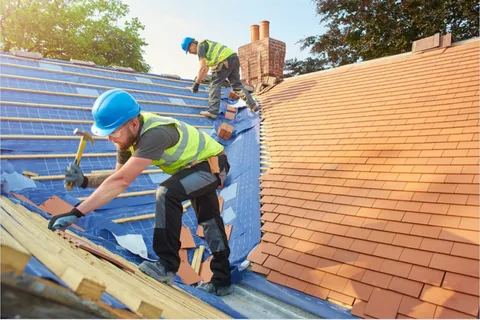
Learn how a local roofing contractor can assess roof damage, handle repairs, improve drainage, and help homeowners plan roofing work in Stony Brook and Ronkonkoma.
A roof protects the structure, insulation, belongings, and people inside a home. When shingles loosen, flashing fails, or water enters the attic, homeowners need to understand the problem before deciding on repairs. Trueline Home Improvement helps property owners understand what to consider when working with a local roofing contractor in Stony Brook, NY.
Roofing problems do not always begin with a dramatic leak. Small signs such as missing shingles, dark spots on ceilings, damaged flashing, or clogged drainage can indicate developing issues.
Understanding these warning signs can help homeowners address roof problems before they affect larger parts of the property.
What to Expect From a Local Roofing Contractor in Stony Brook, NY
A professional local roofing contractor in Stony Brook, NY evaluation should look beyond the most visible problem. The condition of shingles matters, but so do flashing, roof edges, valleys, ventilation, drainage, and areas around chimneys or other penetrations.
A roof inspection may consider:
- Shingle condition
- Missing or damaged roofing materials
- Flashing around openings
- Roof valleys
- Gutters and downspouts
- Attic ventilation
- Signs of moisture
- Roof edges and seals
- Previous repair areas
The age of the roof also provides useful context. An isolated damaged shingle on a relatively newer roof may require a different response from widespread deterioration on an older system.
Homeowners should also explain any changes they have noticed inside the property. Water stains, musty odors, peeling paint, or damp insulation can help identify areas that need closer attention.
Common Roofing Problems on Long Island Homes
Weather can expose roofs to wind, rain, snow, ice, and temperature changes throughout the year. These conditions can gradually affect roofing materials.
Strong wind may loosen or damage shingles. Heavy rain can expose weaknesses around flashing or roof penetrations. Ice and snow can also place additional stress on roofing and drainage systems.
Some common roofing concerns include:
- Missing or lifted shingles
- Cracked or deteriorated flashing
- Damaged roof vents
- Clogged gutters
- Poor drainage
- Water stains in ceilings
- Sagging roof areas
- Damaged soffits or fascia
- Excessive granules in gutters
Not every visible problem requires a complete roof replacement. The right response depends on the extent, location, age, and cause of the damage.
Emergency Roof Leak Repair in Ronkonkoma, NY
Emergency roof leak repair in Ronkonkoma, NY may become necessary when water is actively entering a home or when a storm causes sudden roof damage.
A roof leak can worsen quickly because water may travel through insulation, ceilings, walls, and other building materials before the source becomes obvious.
When a leak occurs, homeowners should first focus on safety. Place containers under active drips when practical and move belongings away from affected areas. Avoid entering areas where water has reached electrical fixtures or wiring.
If the roof has visible storm damage, avoid climbing onto it yourself. Roofing surfaces can become slippery and unstable after rain, and hidden structural damage may create additional risks.
Temporary measures may help limit further water entry until a proper roof assessment and repair can take place.
Repair or Roof Replacement?
Not every damaged roof needs complete replacement. A roofing contractor should determine whether the problem involves a limited area or reflects broader deterioration.
| Situation | Repair May Be Appropriate | Replacement May Need Consideration |
| Shingle Damage | Small, isolated areas | Widespread deterioration |
| Flashing | Localized failure | Multiple areas have recurring problems |
| Roof Age | Relatively newer roof | Older roof nearing the end of its service life |
| Leaks | One identifiable source | Repeated leaks across different areas |
| Surface Condition | Most materials remain sound | Extensive cracking, curling, or missing materials |
This comparison provides a starting point rather than a final diagnosis. The actual condition of the roof should guide the decision.
Choosing the Right Roofing Contractor
When comparing a roofing contractor in Ronkonkoma , NY for a repair or replacement project, homeowners should ask specific questions about the scope of work.
The estimate should explain what areas require attention and which materials the project includes. Homeowners should also ask whether the contractor identified problems with flashing, drainage, ventilation, or other roof components.
It helps to understand whether the recommended work addresses the cause of the problem or only the visible symptom.
For larger projects, discuss material options, expected project stages, cleanup, ventilation, and how unexpected damage will be handled if it appears during the work.
A clear scope can reduce confusion when the project begins.
Common Roofing Mistakes
One common mistake is ignoring a small leak because it appears harmless. Moisture can spread beyond the visible stain and affect other materials.
Another mistake is applying a quick patch without identifying why the roof is leaking. If water enters through damaged flashing or another nearby area, the same problem may return.
Homeowners may also overlook gutters and downspouts. Poor drainage can contribute to water buildup around roof edges and other parts of the property.
Trying to inspect or repair a steep or damaged roof without proper equipment creates unnecessary safety risks.
Finally, choosing roofing materials based only on appearance or price can overlook important factors such as durability, ventilation, compatibility, and maintenance.
Best Practices for Roof Maintenance
Inspect the roof after major storms when it is safe to do so.
Look for missing, cracked, or displaced shingles from ground level.
Keep gutters and downspouts clear of leaves and debris.
Check attic spaces for signs of moisture or poor ventilation.
Pay attention to ceiling stains and unexplained interior moisture.
Address damaged flashing around roof penetrations.
Keep records of previous repairs and roofing work.
Schedule a professional inspection when visible damage or recurring leaks appear.
Actionable Tips for Homeowners
Before calling a roofing professional, take photographs of visible damage from a safe location.
Write down when you first noticed the issue and whether it appeared after a storm.
Check the attic for visible moisture if the area is safe to access.
Do not cover up ceiling stains without investigating the source.
Ask for an explanation of the recommended repair and what caused the damage.
If replacement is recommended, ask which components beyond the shingles require attention.
Keep all estimates and project documents for future reference.
Conclusion
A local roofing contractor in Stony Brook, NY can help homeowners evaluate roof problems before deciding whether they need a repair, partial replacement, or larger roofing project. Looking at shingles alone does not provide the full picture. Flashing, drainage, ventilation, roof age, and underlying moisture can all affect the condition of a roofing system.
For homeowners in Stony Brook and Ronkonkoma, understanding emergency roof leak repair in Ronkonkoma, NY and knowing what to ask a roofing contractor can make roofing decisions more straightforward. Trueline Home Improvement provides homeowners with information and practical considerations for addressing roofing concerns based on the condition of the property.
FAQ
How often should a residential roof be inspected?
A roof should be checked periodically, especially after significant storms or when homeowners notice visible damage, leaks, or changes in interior conditions.
What are signs that a roof needs repair?
Missing shingles, damaged flashing, leaks, water stains, deteriorated roof edges, and recurring moisture problems can indicate that a roof needs professional evaluation.
Does every roof leak require replacement?
No. Some leaks come from isolated damage that can be repaired. Replacement becomes a consideration when damage is widespread, recurring, or associated with an aging roof.
What should I do if my roof starts leaking during a storm?
Protect belongings from water when safe, contain active drips, avoid unsafe electrical areas, and do not climb onto the roof during wet or stormy conditions. Arrange for the roof to be assessed once conditions allow.
How can I help extend the life of my roof?
Keep gutters clear, maintain proper drainage, address damaged flashing and shingles early, monitor attic ventilation, and arrange professional inspections when problems appear.