Plan your Home Improvement project in Ronkonkoma with confidence. Learn what protects your home, avoids costly mistakes, and supports lasting value.
A house rarely needs attention all at once. More often, small warning signs appear over time—a loose piece of siding after a storm, a few missing shingles, or mortar that begins to crumble around the chimney. Ignoring those signs usually leads to larger repairs. Based on the experience shared by TrueLine Home Improvement Inc, successful Home Improvement projects begin with understanding why damage occurred instead of simply replacing the visible materials.
For homeowners in Ronkonkoma, exterior maintenance deserves extra attention. Long Island’s mix of coastal humidity, winter freezes, summer heat, and seasonal storms places constant stress on roofs, masonry, gutters, and siding. Planning improvements with those conditions in mind helps preserve both the home’s appearance and its structural integrity.
Looking Beyond Cosmetic Upgrades
Many renovation projects focus on making a home look newer. While fresh finishes certainly improve curb appeal, lasting value usually comes from strengthening the parts of the home that protect everything inside.
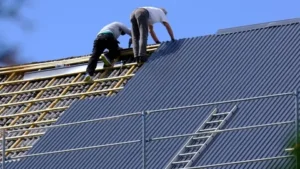
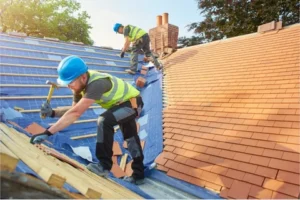
An experienced roofing contractor in Ronkonkoma evaluates more than shingles. Flashing around chimneys, attic ventilation, underlayment, gutters, and drainage patterns all influence how well the roof performs over the years. A roof that looks fine from the street can still hide moisture problems beneath the surface.
Exterior walls deserve the same level of attention. Siding, trim boards, sealants, and window flashing work together to keep rain and melting snow outside where they belong. Even small openings can allow water to travel behind finished surfaces before homeowners notice a problem indoors.
In Ronkonkoma, we’ve noticed that most homeowners begin planning upgrades after they see visible damage. In many cases, routine inspections could have identified developing issues months earlier, reducing both repair costs and disruption.
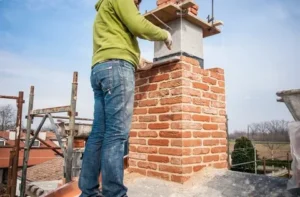
Chimneys are another area frequently overlooked. Weather gradually weakens mortar joints, and repeated freeze-thaw cycles allow small cracks to expand. Keeping masonry in good condition protects not only the chimney but also nearby roofing materials and interior framing.
The goal of home improvement is not simply replacing old materials. It is creating a stronger building envelope that stands up to local weather year after year.
Why Local Weather Shapes Every Exterior Project
Homes throughout Ronkonkoma experience conditions that demand durable materials and careful installation. Heavy rain, snow accumulation, strong coastal winds, and humid summers all affect how exterior systems age.
A homeowner in Ronkonkoma recently requested what they believed would be a simple roof repair after finding a small ceiling stain in an upstairs bedroom. During the inspection, the real source turned out to be deteriorated chimney flashing combined with worn mortar joints that had allowed moisture inside over several seasons. Correcting both issues prevented much larger structural repairs and protected the surrounding framing from additional water damage.
One concern homeowners often have—but rarely receive a clear explanation about—is whether they should repair isolated damage or replace an entire exterior system.
The answer depends on the condition of the surrounding materials. If damage is limited and the remaining structure is in good shape, targeted repairs often provide excellent value. On the other hand, widespread moisture damage, repeated leaks, or aging materials nearing the end of their service life may justify a larger investment.
Small siding problems also deserve prompt attention. Timely vinyl siding repair can stop water from reaching the wall assembly, helping prevent mold growth, insulation damage, and wood deterioration that remain hidden until repairs become much more expensive.
A Practical Approach Instead of Quick Fixes
Every home has its own maintenance history, which is why experienced contractors avoid offering the same recommendation to every homeowner.
Before discussing replacement options, TrueLine Home Improvement Inc evaluates the property’s overall condition. Roof drainage, attic ventilation, flashing details, siding, masonry, and exterior trim are reviewed together because these systems work as one.
This broader evaluation answers a question that many homeowners never think to ask: “If I repair this one area, will another connected issue continue causing damage?”
That perspective often prevents repeated repair bills.
One insight many general articles overlook is that scheduling several related repairs during the same project can reduce labor costs while protecting the entire exterior more effectively. For example, repairing flashing while addressing chimney masonry repair in Ronkonkoma allows both systems to work together against future water intrusion instead of treating each problem separately.
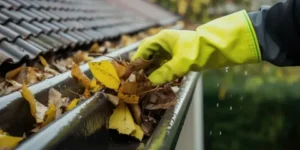
A thoughtful inspection also includes planning for future maintenance. Knowing when to clean gutters, reseal joints, inspect roof penetrations, and check masonry after severe storms helps homeowners extend the life of completed improvements rather than waiting for new damage to appear.
Spend Your Budget Where It Matters Most
Every improvement project competes for your budget, so deciding where to start can feel overwhelming. Instead of choosing projects based only on appearance, focus on the areas that protect your home’s structure first.
Working with clients in Ronkonkoma, our team found that homeowners are often surprised by how many exterior problems are connected. A leaking gutter can direct water toward the foundation, worn caulking around windows can allow moisture into wall cavities, and damaged flashing can affect both the roof and chimney. Solving related issues during one project often reduces future labor costs.
Before signing a contract, ask for a detailed scope of work instead of relying only on a price estimate. A quality proposal should explain:
- The materials that will be installed
- How damaged areas will be repaired
- Whether permits or inspections are required
- The expected project timeline
- Warranty details for workmanship and materials
Another practical tip is to schedule an exterior inspection after severe storms. Wind-driven rain can loosen shingles, damage flashing, or create small cracks that may not be visible from the ground. Finding these issues early usually keeps repair costs much lower.
If your home is more than 20 years old, it is also worth checking ventilation, insulation, gutters, fascia boards, soffits, and drainage around the property. These components work together, and overlooking one area can reduce the life of another.
Homeowners should also remember that the lowest quote is not always the least expensive option over time. Better installation methods and quality materials often reduce maintenance and unexpected repairs during the years ahead.
Protect Your Home Before Small Problems Grow
Your home is one of your biggest investments, and regular maintenance helps protect it through every season. Taking care of roofing, siding, masonry, drainage, and other exterior components before damage spreads can save both money and unnecessary stress.
If you’re planning a Home Improvement project in Ronkonkoma, taking time to understand your home’s condition is a smart first step. TrueLine Home Improvement Inc helps homeowners throughout Ronkonkoma, NY, evaluate repair priorities, choose practical solutions, and complete improvements that are built to stand up to Long Island’s changing weather.
FAQs
1. How much does a home improvement project cost in Ronkonkoma?
The cost depends on the type of work, the size of your home, the materials selected, and the amount of existing damage. Small repairs may cost a few hundred dollars, while larger exterior renovations can require a much bigger investment. A written inspection and estimate provide the most accurate pricing.
2. How can I tell if a home improvement contractor is trustworthy?
Start by checking licensing requirements, insurance coverage, recent customer reviews, and completed local projects. A reliable contractor should provide a written estimate, explain the scope of work clearly, answer your questions honestly, and never pressure you into making an immediate decision.
3. Should I repair my roof or replace it?
That depends on the roof’s age and overall condition. Localized damage can often be repaired successfully, but widespread deterioration, repeated leaks, or aging materials may make replacement the better long-term choice. A full inspection helps determine which option offers the greatest value.
4. How often should chimney masonry be inspected?
Most professionals recommend inspecting masonry at least once a year and after severe storms. Small cracks or deteriorating mortar can allow water to enter the structure, especially during freeze-thaw cycles. Early chimney masonry repair usually prevents larger structural damage and extends the life of the chimney.
5. Can damaged vinyl siding really cause bigger problems?
Yes. Even small cracks or loose panels can let moisture reach the wall assembly behind them. Over time, that moisture may damage insulation, wood framing, or interior drywall. Prompt vinyl siding repair helps protect the home’s structure and avoids more expensive repairs later.