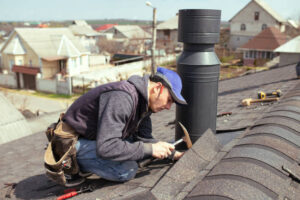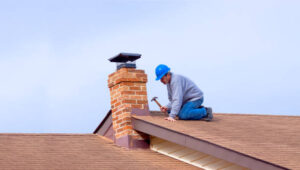
Protect your Southampton home with Chimney cap installation. Keep out rain, animals, and debris while helping your chimney last longer.
Many homeowners never think about the top of their chimney until they discover water stains near the fireplace or hear unexpected noises coming from inside the flue. Those problems often begin with a missing or damaged cap. Based on the experience shared by TrueLine Home Improvement Inc, timely Chimney cap installation is one of the simplest ways to protect a chimney from moisture, nesting animals, and unnecessary wear.
Southampton’s coastal location creates conditions that are especially hard on exposed masonry. Salt air, strong winds, heavy rain, and winter freeze-thaw cycles all work against brick, mortar, and metal components. Taking preventive steps early helps homeowners avoid larger repair bills while keeping their chimney operating safely.
Why a Chimney Cap Matters More Than Many Homeowners Realize
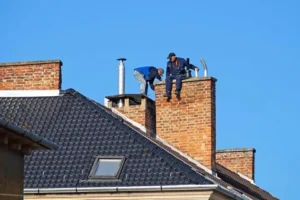
A chimney cap is a protective cover installed at the top of the chimney. Although it is relatively small, it performs several important jobs that help protect the entire chimney system.
A properly fitted cap keeps rainwater from entering the flue, reduces the chance of birds or squirrels building nests, and blocks leaves or other debris from restricting airflow. Many models also include spark protection, helping reduce the risk of embers leaving the chimney during fireplace use.
In Southampton, we’ve noticed that most homeowners assume the chimney itself is waterproof. In reality, brick and mortar naturally absorb moisture over time. Without protection at the top, repeated exposure to rain and snow can accelerate deterioration inside areas that are difficult to inspect from the ground.
Routine maintenance should also include checking flashing, the chimney crown, mortar joints, and the condition of the flue liner. These components work together, and failure in one area often affects the others.
Many online articles describe chimney caps as accessories. They rarely explain that preventing water entry is often less expensive than repairing the structural damage that develops after years of repeated moisture exposure.
Coastal Weather Brings Hidden Risks
Southampton homes experience weather patterns that can shorten the life of masonry if routine inspections are delayed. Wind-driven rain, salt carried from the coast, freezing temperatures, and humid summers all place stress on chimney materials.
A client in Southampton reached out after hearing scratching sounds above the fireplace during the spring. An inspection found that the original chimney cap had blown off during a winter storm, allowing birds to nest inside the flue. At the same time, rainwater had begun washing into the chimney, leaving early signs of moisture damage around the crown. Replacing the cap and clearing the blockage restored safe airflow before more extensive repairs became necessary.
One concern homeowners often have—but many articles never answer—is whether a missing chimney cap is really an urgent problem.
The answer depends on the weather and how long the chimney remains exposed. Even a few months of repeated rainfall can begin damaging mortar joints, rusting metal components, and allowing animals to enter the chimney. Addressing the issue early is usually much less expensive than waiting for visible interior damage.
Water entering through the top can also speed up the need for Chimney masonry repair in Southampton, NY, especially in older homes where mortar has already begun to weaken from years of weather exposure.
Looking Beyond the Visible Damage
A chimney should never be evaluated by appearance alone. Surface brick may look solid while hidden moisture continues affecting the structure behind it.
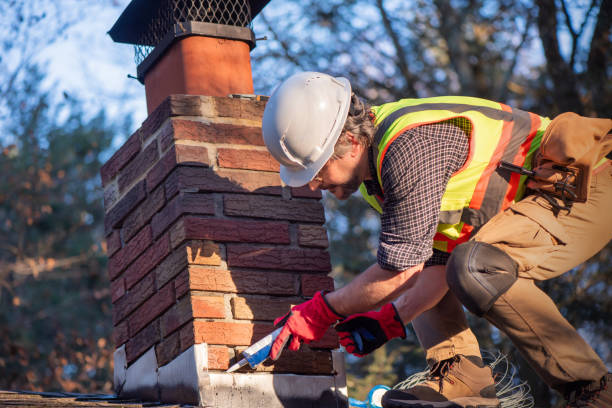
Rather than replacing a missing cap and leaving immediately, TrueLine Home Improvement Inc examines the condition of the entire chimney system. Flashing, the crown, mortar joints, flue liner, brickwork, and ventilation are all reviewed because these components work together to keep the chimney safe and dry.
This broader inspection answers a question many homeowners never think to ask: “If my chimney isn’t leaking inside the house, could there still be damage?”
The answer is yes. Water often enters slowly and remains trapped inside masonry long before stains appear indoors. By the time discoloration becomes visible on ceilings or walls, repairs are usually more extensive.
One detail that many general articles overlook is the condition of the chimney crown. Small cracks in the concrete crown allow moisture to reach the masonry below, even if the bricks themselves appear undamaged. During a Fireplace chimney inspection, identifying these early warning signs helps homeowners prevent more serious structural deterioration while repairs are still manageable.
Questions to Ask Before Scheduling Chimney Work
A little preparation before hiring a contractor can save time, money, and unnecessary repairs later. The goal is to understand the condition of the entire chimney rather than replacing a single part without knowing what caused the problem.
Working with clients in Southampton, our team found that many homeowners request a new cap after a storm but do not realize strong winds may also damage flashing, loosen mortar joints, or create small cracks around the chimney crown. A complete inspection often reveals issues that cannot be seen from the ground.
Before approving any work, consider asking these questions:
- Is the existing chimney crown still in good condition?
- Has the flashing been checked for gaps or corrosion?
- Does the flue liner show signs of damage?
- Are there loose bricks or deteriorating mortar that should be repaired now?
- Will photographs be provided before and after the work?
If your home is close to the shoreline, schedule an inspection after severe coastal storms. High winds and wind-driven rain can loosen metal components or allow moisture into vulnerable areas. Finding those problems early usually costs much less than repairing widespread masonry damage.
Annual maintenance is also a smart habit. Removing debris, checking flashing, inspecting mortar joints, and confirming that the cap remains securely fastened all help extend the life of the chimney system.
If an inspection reveals damaged brickwork or worn mortar, completing Chimney repair in Southampton, NY, during the same visit can reduce labor costs and prevent water from causing additional deterioration before the next season.
Protect Your Chimney Before Small Problems Spread
A chimney works year-round, even when the fireplace is used only occasionally. Keeping moisture, animals, and debris out of the flue helps preserve both safety and the condition of your home.
If you’re considering Chimney cap installation in Southampton, scheduling an inspection before the next storm season is a practical step. TrueLine Home Improvement Inc provides chimney services in Southampton, NY with an emphasis on careful inspections, long-lasting repairs, and protecting homes from the area’s demanding coastal weather.
FAQs
1. How much does chimney cap installation cost in Southampton, NY?
The cost depends on the chimney size, cap material, roof access, and whether additional repairs are needed. Stainless steel and copper caps generally cost more than basic galvanized options but often provide a longer service life. An on-site inspection offers the most accurate estimate.
2. How do I know if my chimney contractor is trustworthy?
Look for proper licensing where required, insurance coverage, local references, and clear written estimates. A reliable contractor should inspect the entire chimney system, explain any findings with photos when possible, and answer questions without recommending unnecessary work.
3. How often should a chimney be inspected?
Most homeowners should schedule a professional inspection once a year, especially before the heating season begins. A routine Fireplace chimney inspection helps identify moisture damage, blocked flues, worn flashing, or masonry problems before they affect safety or lead to costly repairs.
4. Can a chimney cap stop animals from getting inside?
Yes. A properly fitted chimney cap with a screened design helps keep birds, squirrels, raccoons, and other animals from entering the flue while still allowing smoke and gases to vent safely. Regular inspections help confirm the screen remains secure and free of blockages.
5. Is it better to repair chimney damage right away?
In most cases, yes. Small cracks, loose mortar, or early signs of wear are usually easier and less expensive to fix than widespread deterioration. Addressing minor issues promptly helps reduce the likelihood of larger structural repairs and extends the life of the chimney.