A damaged chimney can create more than an appearance problem. Cracked masonry, deteriorated mortar joints, loose bricks, damaged flashing, and missing chimney caps can allow moisture to enter areas that should remain protected. Professional chimney repair in Stony Brook, NY helps homeowners correct visible deterioration while protecting the surrounding roof and masonry from further damage. TrueLine Home Improvement Inc provides chimney repair solutions for homeowners dealing with weathered brickwork, leaks, structural wear, and aging exterior components. Addressing these problems early can help prevent water intrusion and more extensive repairs around the chimney and roofline.
Common Chimney Problems in Stony Brook Homes
Chimneys are constantly exposed to rain, snow, wind, sunlight, temperature changes, and seasonal moisture. Over time, these conditions can affect bricks, mortar, flashing, crowns, caps, and other exterior components.
Some chimney problems develop slowly and may not be obvious from ground level. Small cracks can expand, mortar joints can begin washing away, and water may enter around flashing before homeowners notice staining indoors.
Common signs that chimney repair may be needed include:
- Cracked or loose bricks
- Deteriorated mortar joints
- Chimney leaks
- Missing or damaged chimney caps
- Cracked chimney crowns
- Rusted flashing
- Water stains near fireplaces
- Pieces of masonry on the roof or ground
- Leaning or unstable chimney sections
- White staining on exterior masonry
A professional inspection can help determine whether the problem is limited to a small area or requires more extensive restoration.
Chimney Masonry Repair
Brick and mortar form the main exterior structure of many chimneys. When mortar begins to deteriorate, gaps can form between bricks and allow water to penetrate deeper into the masonry.
Professional chimney masonry repair in Stony Brook, NY may include replacing damaged mortar, repairing cracked sections, replacing deteriorated bricks, and restoring weakened areas where appropriate.
Tuckpointing or repointing may be recommended when the bricks remain in usable condition but the surrounding mortar has worn away. Old mortar is carefully removed from affected joints before new mortar is installed.
Repairing deteriorated joints can improve both the chimney’s appearance and its ability to withstand continued weather exposure.
Repairing Chimney Leaks
Water intrusion is one of the most common reasons homeowners request chimney service. Because several components meet around the chimney, leaks can originate from different areas.
Potential leak sources include:
- Damaged flashing
- Cracked chimney crowns
- Missing caps
- Open mortar joints
- Deteriorated brick surfaces
- Gaps where the chimney meets the roof
Professional chimney leak repair in Stony Brook begins with identifying the actual source instead of simply sealing the most visible crack.
Water may travel before becoming visible inside the home, which means an interior stain does not always reveal exactly where the leak began.
Careful evaluation of the chimney and surrounding roof area can help determine which repairs are necessary.
Chimney Crown Repair
The chimney crown sits at the top of the masonry structure and helps direct water away from the chimney walls.
Over time, crowns may develop cracks because of moisture exposure, temperature changes, or normal aging. Once cracks form, water can enter and contribute to deterioration below.
Minor crown damage may sometimes be repairable, while severely deteriorated crowns may require more extensive rebuilding.
A properly maintained crown should help shed water away from the masonry and limit the amount of moisture entering from the top of the chimney.
Chimney Cap Installation and Replacement
A chimney cap provides protection at the chimney opening. When a cap becomes damaged, loose, rusted, or missing, rain and debris may enter the flue more easily.
Professional chimney repair may include installing or replacing a chimney cap when necessary.
A correctly fitted cap can help reduce direct water entry while also limiting leaves, debris, and animals from entering the chimney opening.
Because cap sizes and chimney configurations vary, the replacement should be selected according to the existing chimney rather than using an unsuitable universal component.
Flashing Repair Around Chimneys
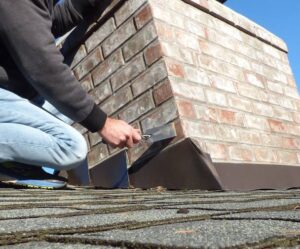
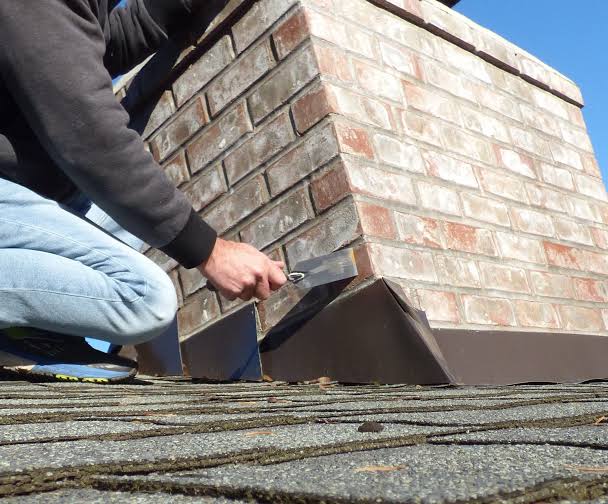
Flashing creates a water-resistant transition where the chimney meets the roof. When flashing becomes loose, corroded, poorly sealed, or damaged, water can enter around the chimney base.
Signs of flashing problems may include ceiling stains near the chimney, damp attic materials, or moisture appearing after heavy rainfall.
Professional chimney repair contractors in Riverhead , NY may involve repairing deteriorated sections, improving seals, or replacing damaged flashing depending on the existing condition.
Because flashing interacts with both roofing and masonry, repairs should be completed carefully so water is directed away from vulnerable areas.
Replacing Damaged Chimney Bricks
Individual chimney bricks may crack, spall, loosen, or deteriorate after repeated exposure to moisture and temperature changes.
Spalling occurs when the brick surface begins breaking or flaking away. Once deterioration becomes significant, affected bricks may need to be removed and replaced.
Replacing damaged masonry can help restore the appearance of the chimney while reducing areas where water may continue entering.
The surrounding mortar should also be evaluated because brick deterioration and failing joints often occur together.
Why Timely Chimney Repair Matters
Minor chimney damage can become more difficult to repair when it is repeatedly exposed to moisture.
Water entering small cracks can continue weakening mortar and masonry. Damaged flashing may also allow moisture to reach roof decking, framing, insulation, or interior finishes.
Timely repairs can help limit the affected area and reduce the likelihood of additional property damage.
Homeowners should pay particular attention after storms or severe winter weather, especially if the chimney is older or has already required previous masonry repairs.
Our Chimney Repair Process
A professional chimney repair project begins with evaluating the visible condition of the structure.
Brickwork, mortar joints, flashing, chimney crowns, caps, and other accessible components are reviewed to identify deterioration and potential moisture entry points.
After the problem areas are identified, the repair plan can be developed according to the chimney’s condition. Work may include masonry restoration, mortar repair, brick replacement, crown repair, flashing improvements, or cap replacement.
Damaged materials are addressed before finishing work is completed. The goal is to correct the source of the problem rather than simply covering visible symptoms.
What Affects Chimney Repair Cost?
Chimney repair pricing varies according to the amount and type of damage.
Factors that may influence cost include:
- Chimney height
- Accessibility
- Number of damaged bricks
- Mortar deterioration
- Flashing condition
- Crown damage
- Chimney cap replacement
- Extent of water intrusion
- Scaffolding or access requirements
- Amount of masonry rebuilding needed
A small mortar repair will generally involve less work than rebuilding a heavily deteriorated chimney section.
A project-specific inspection provides a more useful estimate than relying on a general price range.
Choosing a Chimney Repair Contractor
Homeowners searching for chimney repair contractors near me in Stony Brook, NY should look for experience with masonry, exterior repairs, and water-related chimney problems.
Ask how the contractor plans to identify the source of deterioration, what materials will be repaired or replaced, and whether surrounding roof areas should also be evaluated.
A reliable contractor should explain which components are damaged and why the recommended repair is appropriate.
Clear communication can help homeowners understand the difference between minor maintenance and more extensive chimney restoration.
Protect Your Stony Brook Home
A chimney is exposed to the weather every day, making regular maintenance and timely repairs important for protecting both the masonry and surrounding areas of the home.
If you need chimney repair in Stony Brook, NY, contact TrueLine Home Improvement Inc for help with damaged bricks, mortar joints, flashing, chimney crowns, caps, leaks, and other exterior chimney concerns. Addressing deterioration before it spreads can help restore the chimney’s condition while reducing the risk of moisture affecting nearby roofing and interior materials.
FAQs
What are the most common signs of chimney damage?
Cracked bricks, missing mortar, water stains, loose masonry, damaged flashing, white staining, and visible crown cracks can all indicate that the chimney needs inspection.
Can a leaking chimney be repaired?
Yes. The repair depends on where water is entering. Common sources include flashing, mortar joints, chimney crowns, caps, and damaged masonry.
Does every cracked chimney brick need replacement?
Not necessarily. Minor surface damage may sometimes be repairable, while severely cracked, loose, or spalling bricks may need replacement.
Why is chimney flashing important?
Flashing helps prevent water from entering where the chimney passes through the roof. Damaged flashing can allow moisture to reach roofing, decking, and interior areas.
How often should a chimney be inspected for exterior damage?
Homeowners should periodically check for visible deterioration and consider professional evaluation when leaks, loose masonry, or major weather-related damage appears.