Protect your Riverhead home with quality exterior home siding that stands up to coastal weather. Learn what matters before you decide.
A home in Riverhead has to stand up to more than changing seasons. Salt carried inland from the coast, heavy rain, strong winds, and freezing winter temperatures can all take a toll on the outside of a house. That’s why exterior home siding deserves careful attention before small issues become expensive repairs. At TrueLine Home Improvement Inc, we often discuss these concerns with homeowners who want lasting protection without replacing materials sooner than expected.
Many people think siding is mainly about appearance. A fresh finish certainly improves curb appeal, but its bigger job is protecting the wall system beneath it. Good siding helps keep moisture away from framing, improves energy efficiency, and reduces the risk of mold or rot. Choosing the right material and installing it correctly can make a noticeable difference in both comfort and long-term maintenance costs.
What Exterior Siding Does for a Riverhead Home
Siding forms the first layer of defense against weather. Every panel, trim piece, and flashing detail works together to keep water from reaching the structure underneath. If even one area is installed incorrectly, moisture can find its way behind the siding and create problems that stay hidden for months.
In Riverhead, homes experience humid summers, coastal winds, and winter freeze-thaw cycles. Those changing conditions cause materials to expand and contract throughout the year. A trusted siding installation in Riverhead, NY accounts for those natural movements by leaving proper clearances and using the right fastening methods.
We’ve also noticed that many homeowners focus on the color or style before discussing moisture protection. While appearance matters, the underlayment, flashing, and ventilation behind the siding often determine how well the exterior performs over time.
In Riverhead, we’ve noticed that most homeowners wait until visible damage appears before scheduling an inspection. Unfortunately, cracked panels or peeling paint may be signs that moisture has already been affecting the structure behind the walls.
Several siding materials perform well in this area, including:
- Vinyl for low maintenance and good value
- Fiber cement for durability and fire resistance
- Engineered wood for a traditional appearance with improved stability
- Cedar for homeowners who prefer a natural finish and are willing to maintain it regularly
The right choice depends on the home’s design, exposure to weather, maintenance expectations, and budget rather than trends alone.
Another point that often gets overlooked is ventilation. Proper airflow behind exterior materials allows trapped moisture to escape, helping reduce the chance of decay. This detail rarely gets much attention, yet it can influence how long an exterior system lasts.
The Real Challenge Riverhead Homeowners Face
Living near Long Island’s shoreline creates conditions that many general home improvement articles barely mention. Wind-driven rain can reach places that ordinary rainfall never touches. Salt in the air may also speed up wear on exterior components, especially around fasteners and trim.
One common concern is assuming that damaged siding always means a complete replacement. In reality, that isn’t always the case. A qualified inspection can determine whether localized repairs will restore protection or whether broader deterioration makes replacement the better investment. This is one question homeowners often ask, but many articles fail to explain it clearly.
A homeowner in Riverhead reached out after noticing higher heating bills and a few loose panels following a winter storm. At first, they believed only those panels needed attention. During the inspection, moisture was discovered around one window where flashing had failed several years earlier. Addressing the hidden water intrusion at the same time prevented additional structural repairs that would likely have cost much more if left untreated.
Another subject that deserves more attention is timing. Many people postpone work because they worry that every project requires perfect summer weather. Experienced crews can complete many exterior projects during other suitable seasons as long as weather conditions remain safe and materials are installed according to manufacturer requirements.
Homeowners also ask about new siding cost, expecting a simple price per square foot. The reality is that several factors influence the total investment, including:
- Existing wall condition
- Removal of old materials
- House height
- Window and door trim details
- Insulation upgrades
- Material selection
- Architectural features
That explains why estimates for homes of similar size can differ significantly.
A detail that generic articles rarely mention is the value of examining gutters and roof drainage before replacing siding. Water spilling over clogged gutters can damage even newly installed materials, making it worthwhile to correct drainage issues first instead of assuming the siding alone is responsible.
Many owners are also surprised to learn that regular inspections can identify small maintenance needs before they grow into expensive structural repairs. Replacing a damaged trim board or resealing a penetration early often costs far less than repairing framing affected by long-term moisture.
How TrueLine Home Improvement Inc Approaches the Job
A successful siding project starts long before the first panel goes on the wall. At TrueLine Home Improvement Inc, the process begins with a careful inspection of the home’s exterior rather than assuming every property needs the same solution. That means checking the condition of the sheathing, flashing, trim, soffits, fascia, and areas around windows and doors where water often finds a way inside.
If the existing materials are still structurally sound, targeted repairs may be enough. For homes with widespread moisture damage, loose panels across multiple elevations, or aging materials that have reached the end of their service life, replacement may offer better long-term value than repeated patchwork.
One topic many articles skip is matching a siding product to the home’s surroundings instead of choosing it based only on appearance. A property exposed to open winds or close to the shoreline may benefit from different fastening methods or material choices than one located farther inland. Those details can affect how well the exterior performs over many years.
Another overlooked point involves warranties. Homeowners often focus on the manufacturer’s warranty without realizing that proper installation plays an equally important role. Even premium products may not perform as expected if flashing, expansion gaps, or moisture barriers are handled incorrectly.
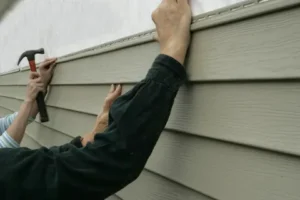
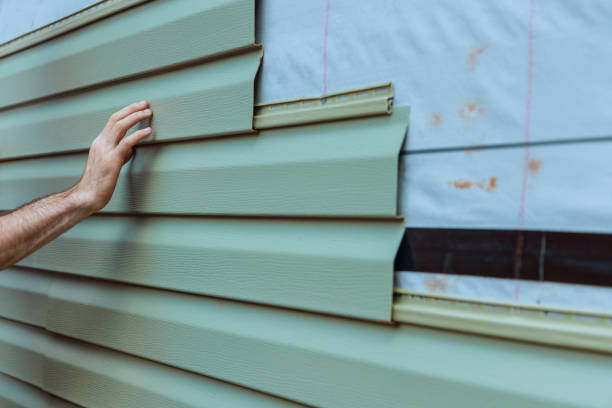
If damage is limited to one section, vinyl siding repair in Riverhead, NY, can sometimes restore protection without replacing every wall. The key is identifying why the damage occurred in the first place. Simply replacing cracked panels without correcting the source of moisture or movement often leads to the same problem returning later.
Practical Tips Before You Make Your Decision
Replacing or repairing siding is a major investment, so taking a little extra time before signing a contract can prevent unnecessary costs later.
Working with clients in Riverhead, our team found that homeowners who ask detailed questions about preparation and moisture protection usually experience fewer surprises during the project than those who focus only on material samples.
Keep these points in mind before making your decision:
- Ask what will happen if hidden water damage is discovered after old materials are removed.
- Request information about the moisture barrier, flashing, and ventilation system—not just the siding itself.
- Compare estimates based on the full scope of work instead of price alone.
- Make sure permits and local building requirements are addressed where applicable.
- Review maintenance expectations for the material you choose so it matches the amount of upkeep you’re comfortable with.
One local tip is to schedule an exterior inspection after seasons with strong coastal storms. Even if nothing looks damaged from the ground, wind-driven rain can loosen trim or create small openings that deserve attention before the next winter arrives.
It’s also worth looking at nearby landscaping. Tree branches rubbing against siding, shrubs that trap moisture, or sprinkler systems spraying the walls every day can shorten the life of otherwise well-installed materials.
Many homeowners think darker colors automatically fade quickly. Modern products have improved significantly, but the amount of direct sunlight your home receives still influences its long-term appearance. Discussing color retention before selecting a product can help you avoid disappointment years later.
Protect Your Home Before Small Issues Grow
Your home’s exterior works every day to protect everything inside it, so paying attention to early warning signs is rarely wasted effort. Loose panels, moisture stains, rising energy bills, or visible wear deserve a closer look before they develop into larger repairs.
For homeowners considering siding services in Riverhead, NY, TrueLine Home Improvement Inc encourages starting with a thorough inspection and clear information about your options. Understanding the condition of your home’s exterior today can help you make a confident decision that fits your property, your budget, and your long-term plans.
FAQs
1. How much does new siding cost in Riverhead, NY?
The total price depends on the size of your home, the material you choose, labor requirements, and whether hidden damage needs repair. Removing old siding, upgrading insulation, or replacing trim can also affect the final estimate. A detailed inspection provides a much more accurate cost than an average price per square foot.
2. How do I know if I need repair or a full replacement?
A professional inspection is the best way to determine the right option. Small cracks, isolated storm damage, or a few loose panels can often be repaired. If moisture has spread behind multiple walls or the material has reached the end of its lifespan, replacement may be the more practical choice.
3. How can I tell if a siding contractor is trustworthy?
Start by confirming the contractor is licensed and insured where required. Ask for recent local references, review completed projects, and request a written estimate that explains the work in detail. A reputable contractor should answer questions clearly without pressuring you into making an immediate decision.
4. How long does a siding installation usually take?
Most residential projects take several days to two weeks, depending on the home’s size, weather conditions, and whether repairs are needed after the old materials are removed. Good planning and proper preparation usually help the project stay on schedule while maintaining quality workmanship.
5. What maintenance helps siding last longer?
Inspect your home’s exterior at least once a year and after severe storms. Clean dirt, leaves, and debris from around the walls, keep gutters working properly, trim vegetation away from the siding, and repair small problems promptly. Regular maintenance can extend the life of the exterior and reduce the chance of expensive structural repairs later.