
Rainwater can cause serious problems when it cannot drain away from your home properly. In Riverhead, NY, changing weather conditions and heavy rainfall can put pressure on gutters, downspouts, and drainage systems. A well-maintained gutter system helps direct water away from your roof, siding, foundation, and landscaping. Therefore, homeowners should pay attention to gutter performance throughout the year.
Reliable professional Gutter Installation & Repair helps prevent overflowing gutters, soil erosion, and moisture problems around your property. However, choosing the right gutter system requires more than selecting a material or style. Homeowners should also consider roof size, drainage needs, maintenance requirements, and the layout of the property.
Trueline Home Improvement helps homeowners understand their exterior improvement needs and make informed decisions about protecting their properties. From damaged gutter sections to drainage problems, the right approach can improve water management and reduce the risk of costly repairs.
Moreover, homes in Riverhead and nearby Stony Brook may face different drainage challenges depending on roof design, tree coverage, and ground slope. Regular inspections can identify small issues before they develop into larger problems. With proper installation, suitable gutter components, and timely maintenance, homeowners can keep rainwater moving away from vulnerable areas and maintain their property’s condition throughout the year.
Why Proper Gutter Drainage Matters for Riverhead Homes
Gutters do more than collect rainwater from your roof. They guide water toward designated drainage points and help protect several important parts of your property. When gutters become clogged, loose, or damaged, water may spill over their edges and collect near the foundation.
Riverhead experiences seasonal weather changes that can affect gutter performance. Heavy rain, falling leaves, wind, and winter conditions may place additional demands on exterior drainage systems. Consequently, homeowners should understand how their gutters respond to local weather.
How Gutters Protect Your Roof and Foundation
A properly functioning gutter system collects rainwater along the roofline and carries it through downspouts. This process reduces uncontrolled runoff around the building.
Without effective drainage, water may seep into vulnerable areas, stain siding, damage fascia boards, or contribute to basement moisture. In addition, repeated runoff can wash away soil and disturb landscaping around the foundation.
Homeowners should watch for several warning signs:
- Water spilling over gutter edges during rainfall.
- Sagging sections that hold standing water.
- Peeling paint or moisture stains near the roofline.
- Soil erosion below roof edges.
- Water collects close to basement walls.
These problems do not always indicate that the entire gutter system needs replacement. Sometimes, a blockage, loose bracket, or poorly positioned downspout causes the issue.
Therefore, a professional inspection can help identify the actual source of the problem. Homeowners should also check that downspouts discharge water away from the foundation without directing it toward neighboring properties or walkways.
Choosing the Right Gutter Installation for Your Property
Every home has different drainage requirements. Roof size, pitch, architectural design, and the amount of rainfall a property must handle all influence gutter selection. As a result, homeowners should evaluate these factors before choosing a new system.
Reliable affordable Gutter Installation & Repair starts with an assessment of the roofline and existing drainage conditions. A suitable system should collect water efficiently without creating unnecessary maintenance demands.
Important Factors to Consider Before Installation
The right gutter system should match the property’s physical features and long-term maintenance needs. Material, gutter capacity, placement, and downspout locations all contribute to performance.
For example, aluminum gutters are popular because they resist rust and come in various colors. Steel options can offer strength, although some types require more attention to corrosion. Vinyl gutters may suit certain projects, but their performance depends on product quality and exposure to changing temperatures.
Homeowners should consider these five practical points before installation:
- Roof dimensions: Larger roof sections may collect more rainwater and require greater drainage capacity.
- Material selection: Compare durability, appearance, maintenance, and expected service life.
- Gutter sizing: Choose a size appropriate for roof area, slope, and local rainfall conditions.
- Downspout placement: Position outlets to carry water efficiently toward suitable discharge areas.
- Installation quality: Secure brackets properly and maintain the correct slope for water flow.
A professional assessment can help determine which configuration suits your home.
Furthermore, homeowners should ask how the proposed system will handle roof valleys, corners, and areas that receive concentrated runoff. These locations may need additional attention to prevent overflow.
The goal is to create a balanced drainage system that works with the roof rather than simply replacing old gutter sections with new ones.
Recognizing Gutter Damage and Preventing Drainage Problems
Gutters face regular exposure to rain, wind, debris, and temperature changes. Over time, these conditions can loosen fasteners, damage joints, and affect the system’s ability to carry water. Fortunately, routine inspections can reveal many problems before they spread.
Reliable expert gutter repair services can address localized damage and restore proper drainage when the existing system remains in suitable condition.
Common Problems That Require Attention
Some gutter problems develop gradually, while others become obvious during heavy rainfall. Homeowners should look for changes in appearance and performance throughout the year.
Common issues include clogged channels, leaking seams, separated joints, loose hangers, and damaged downspouts. Additionally, standing water may indicate an incorrect slope or a blockage that prevents normal drainage.
Here are five practical ways to identify and manage gutter problems:
- Inspect after storms: Check for loose sections, visible leaks, and water spilling over the edges.
- Look for rust or cracks: Damaged areas can allow water to escape before reaching the downspouts.
- Check the gutter slope: Water should move toward the outlets instead of collecting in low spots.
- Remove accumulated debris: Leaves, twigs, and roof granules can restrict water movement.
- Arrange timely repairs: Address small leaks and loose brackets before they damage surrounding materials.
However, homeowners should avoid climbing ladders or attempting repairs in unsafe weather. Gutter work involves fall risks, particularly on wet or uneven ground.
A trained professional can inspect difficult-to-reach areas and recommend repairs based on the system’s condition. If damage affects several sections or the gutters repeatedly fail, replacement may offer better long-term value.
Trueline Home Improvement can help homeowners evaluate exterior improvement concerns and understand which solutions may suit their property’s needs.
Improving Performance with Gutter Guards and Better Maintenance
Gutter guards help limit the amount of leaves, twigs, and other debris that enters a gutter system. They can be useful for properties surrounded by trees, especially during autumn. Nevertheless, guards do not eliminate every maintenance requirement.
Suitable reliable gutter guard installation in Stony Brook , NY can reduce debris accumulation and help maintain water flow when the product matches the gutter design and surrounding environment.
Understanding Gutter Guard Options
Different gutter guard designs handle debris in different ways. Mesh screens allow water through small openings while blocking larger materials. Perforated covers use strategically placed holes, while other designs direct water into the gutter and encourage debris to fall away.
No single option works equally well for every property. Pine needles, roof granules, and fine debris may pass through some designs or collect on top of the guards.
Homeowners can improve gutter performance by following these five maintenance practices:
- Inspect guards regularly: Look for debris buildup that may interfere with water entry.
- Clean gutter channels: Remove material that collects beneath or around the guards.
- Check roof valleys: Concentrated runoff can carry debris into gutters quickly.
- Examine joints and brackets: Make sure guards have not shifted or loosened.
- Monitor drainage during rain: Watch for overflow that may indicate a blockage or capacity problem.
Moreover, gutter guards should fit securely without interfering with the roof’s drainage pattern. Poorly fitted products may allow debris to accumulate or create gaps where leaves can enter.
Although residential gutters and municipal storm drains serve different purposes, both help control where water travels. Proper maintenance keeps this process working more effectively around the home.
Why Downspout Condition Matters for Effective Drainage
Gutters cannot protect a property properly if water has nowhere to go after entering the system. Downspouts carry collected rainwater from the roofline toward a suitable discharge point. Therefore, their condition and placement are essential parts of an effective drainage plan.
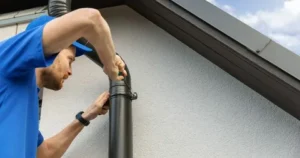
Professional dependable downspout repair services can help correct leaks, disconnected joints, blockages, and other problems that prevent water from moving away from the house.
Five Ways to Improve Downspout Performance
A downspout may appear simple, but its placement can affect soil stability, walkways, garden beds, and foundation moisture. Even a well-installed gutter system can underperform when the outlets release water too close to the building.
Homeowners should focus on these five practical considerations:
- Clear blockages: Remove leaves and other debris that restrict water movement.
- Secure loose connections: Check that downspouts remain firmly attached to the gutters and exterior walls.
- Repair leaking joints: Replace damaged connectors or sections that allow water to escape.
- Direct water appropriately: Use suitable extensions or drainage solutions to move runoff away from vulnerable areas.
- Inspect discharge points: Make sure outlets do not create puddles, erosion, or slippery walkways.
Additionally, homeowners should consider the property’s grading. If the ground slopes toward the house, rainwater may return to the foundation even when the downspouts function correctly.
Extensions can help in some situations, but they should not send water onto neighboring properties or public walkways. Underground drainage systems may also require professional evaluation to confirm that they have suitable capacity and an appropriate outlet.
When water continues to collect near basement walls, homeowners should investigate the entire drainage arrangement instead of focusing only on the gutters. Roof runoff, surface grading, and existing drains may all contribute to the problem.
A coordinated approach helps homeowners address the cause rather than repeatedly correcting the same symptoms.
Conclusion
A properly maintained gutter system plays a major role in protecting your home’s exterior and managing rainwater. From the roofline to the foundation, each component must work together to move runoff away from vulnerable areas. Consequently, homeowners should treat drainage maintenance as part of their regular property care.
In Riverhead, NY, seasonal weather and falling debris can affect gutter performance throughout the year. Regular inspections, timely repairs, and appropriate gutter guards can help prevent blockages and reduce unnecessary water exposure. Furthermore, checking downspouts and discharge points helps ensure that collected rainwater does not accumulate near the foundation.
Homeowners should also remember that not every drainage problem requires a complete replacement. Sometimes, a loose bracket, leaking joint, or blocked outlet explains the issue. However, widespread damage or repeated failures may indicate that the existing system needs a more extensive solution.
For homeowners seeking expert gutter repair services in Riverhead , NY evaluating the condition of the gutters, downspouts, and surrounding ground can help identify the most practical next steps.
A reliable drainage system starts with understanding your property’s needs. Choose suitable materials, maintain clear water pathways, and address damage before it becomes more serious. These measures can help protect exterior surfaces, preserve landscaping, and reduce the risk of water-related problems.
Ultimately, consistent maintenance and informed repair decisions help homeowners manage rainwater more effectively. By paying attention to small warning signs and arranging professional assistance when necessary, you can keep your home’s drainage system working as intended.
FAQs
How often should gutters be inspected in Riverhead, NY?
Inspect gutters at least twice a year, usually in spring and autumn. Check them more frequently if nearby trees produce substantial debris or severe weather causes damage.
What are the signs that my gutters need repair?
Common signs include overflowing water, visible leaks, sagging sections, loose brackets, rust, and water collecting near the foundation.
Are gutter guards worth installing?
Gutter guards can reduce debris entering the gutters and may lower cleaning frequency. However, they still require periodic inspection and maintenance.
Can damaged downspouts cause foundation problems?
Yes. Leaking or poorly positioned downspouts can release water close to the foundation, increasing the risk of soil erosion and moisture problems.
Should I repair or replace my existing gutters?
Repair may be suitable for isolated leaks, loose brackets, or minor damage. Replacement may make more sense when the system has widespread deterioration, repeated failures, or insufficient drainage capacity.