
Protect your Sag Harbor property with an experienced masonry contractor focused on durable craftsmanship. Learn what to consider before repairs begin.
A loose brick or cracked mortar joint may seem like a minor cosmetic issue, but those early signs often point to moisture finding its way into the structure. Along the East End of Long Island, changing weather can speed up that process. At Trueline Home Improvement, discussions with homeowners frequently begin after they notice crumbling joints, uneven steps, or cracks around a chimney. Choosing the right masonry contractor helps protect both the appearance and structural integrity of a property.
Brick, stone, and concrete can last for decades, but no masonry system is maintenance-free. Small repairs completed at the right time often prevent much larger restoration projects in the future.
What a Masonry Contractor Actually Does
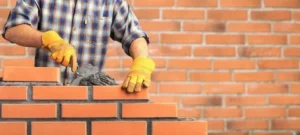
Masonry work includes far more than laying brick. A complete project may involve foundations, retaining walls, patios, walkways, chimneys, veneers, steps, stone facades, mortar joints, and concrete structures. Every component depends on proper preparation, stable support, and materials suited to local conditions.
In Sag Harbor, we’ve noticed that most homeowners focus on visible cracks while overlooking the mortar joints that hold the entire structure together. Mortar generally weathers faster than brick or natural stone, making it one of the first areas to require attention.
Coastal moisture, seasonal temperature swings, and repeated freeze-thaw cycles place constant stress on masonry throughout the year. Water entering small openings expands as it freezes, gradually widening cracks and loosening surrounding materials.
Many projects begin with Top brick and stone repair in Sag Harbor, NY because isolated damage can often be corrected before it spreads. Addressing deteriorated sections early helps preserve original materials while maintaining the character of older homes that are common throughout Sag Harbor.
Proper masonry also depends on drainage. Expansion joints, flashing, weep holes, and carefully designed grading all help reduce moisture buildup that can shorten the life of masonry surfaces.
The Real Challenge Homeowners Face in Sag Harbor
Sag Harbor’s coastal environment creates conditions that many inland communities rarely experience. Salt carried by sea air, wind-driven rain, and fluctuating humidity gradually affect both masonry surfaces and mortar joints.
A client in Sag Harbor reached out after noticing several bricks shifting along a front walkway. At first glance, the damage appeared limited to the surface. During the inspection, settling beneath part of the walkway had created uneven support, allowing water to collect and weaken nearby mortar. Correcting the base before replacing damaged sections prevented the same problem from returning.
One concern homeowners often raise is whether matching older brick or stone is even possible. Many articles skip this topic, yet it is especially relevant for historic and custom homes. While exact matches are not always available, experienced masons can often source materials and mortar blends that closely complement the existing structure instead of creating obvious patches.
Another overlooked question involves structural cracks. Not every crack signals foundation failure. Some result from natural settling or weather-related movement, while others indicate deeper issues that deserve closer evaluation before cosmetic repairs begin.
How Trueline Home Improvement Approaches Masonry Projects
Every property presents different conditions based on age, previous repairs, drainage, and exposure to weather. Rather than assuming every project follows the same process, Trueline Home Improvement begins by identifying the underlying cause of deterioration before recommending repairs.
One detail that many generic articles fail to discuss is mortar compatibility. Using mortar that is harder than the original brick can trap moisture and increase long-term damage. Selecting the proper mortar mix allows the repaired sections to perform more naturally alongside existing materials.
For larger projects involving concrete masonry services, attention extends beyond the visible finish. Soil preparation, reinforcement, drainage, and expansion joints all contribute to long-term durability. Ignoring those elements may lead to premature cracking even when the finished surface initially looks excellent.
Some homeowners also request Best custom masonry work in Sag Harbor, NY for patios, outdoor kitchens, entryways, garden walls, or decorative stone features. Careful planning at the beginning helps new masonry blend naturally with the home’s existing architecture rather than appearing like a later addition.
Photographing hidden conditions before repairs begin is another practice worth mentioning. It provides homeowners with a clearer understanding of what is happening beneath damaged surfaces and supports informed decisions throughout the project.
Practical Tips: What to Know Before You Decide
Working with clients in Sag Harbor, our team found that many homeowners compare proposals based almost entirely on price. Looking more closely at materials, preparation, and repair methods often reveals significant differences in long-term value.
Before choosing a masonry professional, ask questions such as:
- Will the existing mortar be tested before replacement?
- How will drainage be managed around the repaired area?
- What preparation is completed before new masonry is installed?
- Will damaged materials be removed completely before rebuilding?
- Is the surrounding structure inspected for hidden moisture issues?
A local consideration worth remembering is timing. Spring and early fall generally provide favorable conditions for many exterior masonry projects because temperatures allow mortar to cure more consistently than during periods of extreme heat or freezing weather.
If deteriorated mortar joints are beginning to crumble, Professional pointing and repointing in Sag Harbor, NY may restore stability while helping keep water from entering the wall assembly. Waiting too long often allows moisture to affect adjacent bricks or stones, increasing the scope of repairs.
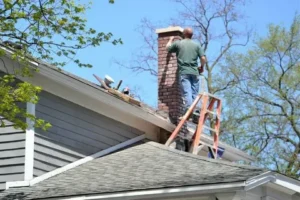
Routine inspections after severe storms are also worthwhile. Small shifts, loose coping stones, or new hairline cracks are much easier to address before several seasons of weather enlarge the damage.
Preserve the Character of Your Masonry
Quality masonry should remain attractive while standing up to years of changing weather. Regular inspections and timely repairs help protect both appearance and structural performance. If you’re looking for an experienced masonry contractor in Sag Harbor, Trueline Home Improvement can evaluate your property’s condition and explain practical repair or restoration options that fit your goals.
FAQ’s
How much does masonry repair usually cost in Sag Harbor?
Costs vary depending on the size of the damaged area, the type of material, accessibility, and whether structural repairs are required. Small mortar repairs are generally less expensive than rebuilding walls or chimneys, so a site inspection provides the most accurate estimate.
How do I know if masonry cracks are serious?
Hairline cracks may result from normal settling, but widening cracks, loose bricks, bulging walls, or shifting stonework deserve prompt attention. An inspection can determine whether the issue is cosmetic or related to structural movement or moisture intrusion.
How often should brick and stone be inspected?
A visual inspection every year is a good practice, particularly after harsh winters or severe storms. Regular checks help identify deteriorating mortar, moisture damage, and loose masonry before repairs become more extensive.
How can I tell if a masonry contractor is reliable?
Ask for proof of insurance, recent local references, written estimates, and photographs of completed work. A dependable contractor should explain the repair process clearly, discuss material choices, and avoid recommending unnecessary work without supporting evidence.
What is repointing, and when is it needed?
Repointing removes deteriorated mortar from the joints between bricks or stones and replaces it with fresh mortar that matches the structure. It is commonly recommended when mortar becomes cracked, loose, or worn but the surrounding masonry remains in good condition.