A well-designed patio can turn an ordinary backyard into a comfortable place to relax, entertain guests, and enjoy the outdoors. Pavers offer flexibility in design, a range of colors and textures, and the convenience of repairing individual units when needed. TrueLine Home Improvement Inc. provides exterior improvement services throughout Long Island, including custom paver installations that help homeowners create practical and attractive outdoor spaces.
Whether you are planning a quiet seating area or a larger patio for gatherings, selecting suitable materials and preparing the ground correctly are important steps toward a durable result.
Why Choose a Paver Patio for Your Home?
A paver patio adds usable outdoor space while complementing the style of your home and landscaping. Unlike a plain concrete slab, pavers allow homeowners to combine different patterns, shapes, colors, and textures to create a personalized design.
Some key benefits include:
- Flexible design options: Choose layouts and colors that complement your home’s exterior.
- Individual unit repairs: If a paver becomes damaged or stained, it may be possible to replace that unit without removing the entire patio.
- Versatile applications: Pavers work well for dining areas, outdoor seating, garden paths, and entertaining spaces.
- Defined outdoor living areas: A patio can create a natural transition between the home, lawn, garden, and other outdoor features.
- Potential long-term value: A thoughtfully planned patio can improve usability and contribute to the overall appeal of your property.
The final performance depends on the paver material, ground preparation, drainage, installation quality, and ongoing maintenance.
Choosing the Right Pavers for Your Patio
Selecting pavers involves more than deciding which color looks best. The material should suit the intended use, the property’s conditions, and your preferred maintenance routine.
Concrete Pavers
Concrete pavers are available in numerous sizes, shapes, colors, and finishes. Their versatility makes them suitable for many patio designs, from simple rectangular layouts to decorative patterns.
They can also coordinate with matching walkways or driveway pavers, creating a consistent appearance across the property.
Natural Stone Pavers
Natural stone offers distinctive colors and textures that can complement gardens and traditional landscapes. Since each stone may have unique characteristics, homeowners should compare appearance, surface texture, durability, and maintenance requirements before choosing a product.
Selecting a Pattern and Color
Popular layouts include running bond, basket weave, herringbone, and modular patterns. The best choice depends on the patio’s dimensions, the shape of the available space, and the home’s architectural style.
Lighter colors may create a brighter appearance, while darker shades can provide contrast against landscaping and exterior walls. Viewing samples in the actual outdoor setting can help you make a more confident decision.
What Does Professional Paver Patio Installation Involve?
A successful patio requires careful planning beneath the visible surface. Proper preparation helps support the pavers, manage water, and reduce the likelihood of uneven areas developing over time.
Planning the Patio Layout
The first step is to determine the patio’s size, shape, purpose, and position. Consider how people will move between the house, garden, seating areas, and other outdoor features.
It is also helpful to plan furniture placement, walking routes, access points, and any future additions before finalizing the layout.
Preparing the Ground
The installation area generally needs excavation and a properly prepared base. The required depth depends on soil conditions, the patio’s intended use, and the materials selected.
A suitable base helps distribute loads and limit movement. Skipping preparation or using an inadequate base can contribute to sinking, shifting, and uneven surfaces.
Managing Drainage
Water should move away from the home and other vulnerable structures. The patio’s slope, surrounding ground levels, and drainage conditions should be considered during planning.
Poor drainage can contribute to erosion beneath the pavers, standing water, and movement in the finished surface.
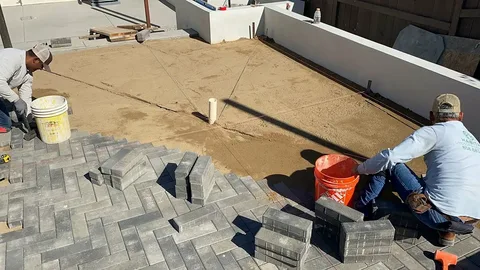
Installing and Finishing the Pavers
Once the base is prepared, the pavers are laid according to the selected pattern. Edge restraints and joint materials help keep the installation in place, while final compaction and finishing depend on the specific paver system.
For homeowners exploring design and installation options, professional paver patio installation can help turn an outdoor concept into a planned hardscape suited to the property’s layout and intended use.
Design Ideas for a More Functional Backyard
The most successful patios balance appearance with everyday practicality. Before choosing a final design, think about how you expect to use the space throughout the year.
Create an Outdoor Dining Area
A patio can provide a dedicated location for meals, family gatherings, and entertaining. Leave sufficient space around tables and chairs so people can move comfortably without obstructing walkways.
Add a Relaxing Seating Space
A smaller patio with comfortable chairs can create a quiet outdoor retreat. Positioning the seating near garden beds or established landscaping may help the area feel more connected to the yard.
Connect the Patio to Walkways
A coordinated paver walkway can connect the patio to a side entrance, driveway, garden, or other outdoor area. Using complementary materials creates visual consistency while making the yard easier to navigate.
Plan for Shade and Lighting
Shade structures, umbrellas, and suitable outdoor lighting can make a patio more useful during different times of day. Plan the placement of these features early so they fit the layout without interfering with circulation or drainage.
Paver Patio Installation in Riverhead, NY
Homeowners in Riverhead may want an outdoor area that supports seasonal gatherings while complementing their property’s existing landscape. A properly planned paver patio can provide space for outdoor dining, relaxation, and entertaining without requiring a major change to the home’s structure.
When considering custom paver patios in Riverhead, NY, evaluate the available yard space, soil conditions, drainage, and intended use. These factors influence the layout, base preparation, material selection, and overall project scope.
It is also useful to consider how the patio will connect to existing doors, steps, gardens, and walkways. A layout that supports natural movement can make the finished space more comfortable and functional.
Creating an Outdoor Living Area in Southampton, NY
A patio can help homeowners in Southampton make better use of their outdoor space, whether the goal is a compact seating area or a larger gathering place. The right design should complement the house and surrounding landscape while providing a practical surface for everyday use.
Property owners considering outdoor paver patio solutions in Southampton, NY should account for drainage, ground preparation, material durability, and maintenance needs. Coastal weather exposure can also make material selection and proper installation especially important.
Before construction begins, discuss the proposed layout, edging, surface finish, and any connections to existing hardscape features. Reviewing these details early can help establish clear expectations for the project.
How to Maintain a Paver Patio
Regular care can help preserve the patio’s appearance and identify small issues before they become more disruptive.
- Sweep away leaves, dirt, and debris regularly.
- Clean spills promptly using a method suitable for the paver material.
- Inspect joints for missing sand or signs of movement.
- Monitor drainage after heavy rain and address persistent pooling.
- Remove weeds carefully without damaging joints or surrounding materials.
- Follow manufacturer guidance before applying cleaners or sealants.
Sealing is not necessary for every paver system. If you are considering a sealant, confirm that it is compatible with the material and appropriate for the desired surface texture and traction.
Conclusion
A professionally planned paver patio can create a useful outdoor living area while enhancing the appearance of your property. Material selection, ground preparation, drainage, and careful installation all contribute to a stable and attractive finish. By considering how you want to use the space and maintaining the surface regularly, you can make a more informed investment in your home’s outdoor environment.
Frequently Asked Questions
How long does paver patio installation take?
The timeline depends on the patio’s size, design complexity, site access, ground conditions, and weather. A contractor can provide a more realistic schedule after evaluating the property and proposed layout.
Are pavers better than a poured concrete patio?
Both options have advantages. Pavers offer design flexibility and allow individual units to be replaced, while poured concrete provides a continuous surface. The right choice depends on your budget, preferences, site conditions, and maintenance expectations.
Can I install a paver patio on uneven ground?
Uneven ground may require grading, excavation, and base preparation before installation. A suitable design should address elevation changes and drainage to reduce the risk of movement or standing water.
Do paver patios require sealing?
Not all pavers require sealing. The decision depends on the material, appearance you want, exposure conditions, and manufacturer recommendations. A compatible product should be selected if sealing is appropriate.
How can I prevent pavers from shifting?
Proper excavation, base preparation, edge restraints, joint materials, and drainage are important for limiting movement. If a patio develops uneven sections, the underlying cause should be assessed before repairs are made.