Explore Siding installation for better exterior protection, appearance, and durability, with practical siding tips for homes in Ronkonkoma and Stony Brook.
The exterior of a home takes constant exposure to rain, wind, sunlight, snow, and changing temperatures. Over time, siding can fade, crack, loosen, or allow moisture to reach areas that should remain protected. Trueline Home Improvement helps homeowners understand the practical factors involved in exterior siding projects. Homeowners researching Siding installation often want to know whether their existing siding needs repair, replacement, or a complete installation.
Siding serves several purposes beyond appearance. It helps protect exterior walls from weather exposure while contributing to insulation, moisture management, and the overall condition of the home’s exterior.
For homeowners in Ronkonkoma, NY and Stony Brook, NY, understanding siding materials, installation steps, maintenance, repair options, and common problems can help them plan exterior improvements with greater confidence.
Why Siding Matters for a Home
Siding creates an exterior barrier between the home and outdoor conditions. Its condition can affect how well the exterior handles moisture, wind, temperature changes, and everyday exposure.
Properly maintained siding can help:
- Protect exterior wall surfaces
- Improve curb appeal
- Reduce moisture exposure
- Cover aging exterior materials
- Support easier exterior maintenance
- Create a consistent finished appearance
The siding itself is only one part of the system. Proper installation, flashing, trim, drainage, and ventilation also affect performance.
Understanding Siding Installation
How Siding Installation Protects the Exterior
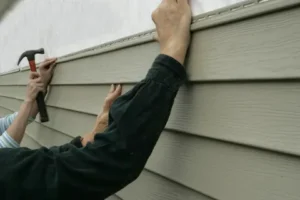
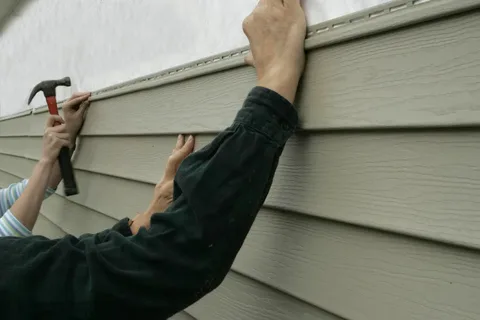
Siding installation in Ronkonkoma, NY involves preparing the exterior surface, installing appropriate protective layers and trim, positioning siding panels or materials, and finishing the edges and openings.
A typical project may include several stages.
Exterior Inspection
Before installation begins, the existing exterior should be reviewed.
An inspection may identify:
- Cracked siding
- Loose panels
- Rot or damaged wood
- Moisture concerns
- Damaged trim
- Problems around windows and doors
- Uneven wall surfaces
Identifying these conditions early helps determine the appropriate installation approach.
Surface Preparation
The exterior needs a suitable surface before new siding goes up. Damaged materials may require attention before installation.
Preparation can include removing old siding, repairing affected areas, checking wall surfaces, and preparing openings around windows and doors.
Weather Protection
Moisture management plays an important role in exterior siding work. Flashing and other weather-resistant components help direct water away from vulnerable areas.
Special attention may be needed around:
- Windows
- Doors
- Roof intersections
- Corners
- Utility penetrations
- Exterior fixtures
Siding Placement
The siding material is then installed according to the property’s dimensions and the requirements of the selected material.
Accurate alignment matters because uneven courses can become noticeable across large exterior walls.
Trim and Finishing
Corners, windows, doors, rooflines, and other transitions require appropriate trim and finishing details. These areas can have a major effect on the final appearance and weather protection.
Vinyl Siding Repair and Maintenance
Vinyl siding repair in Stony Brook, NY can address localized problems without automatically replacing an entire exterior.
Common vinyl siding problems include:
- Cracked panels
- Loose sections
- Faded surfaces
- Wind-related damage
- Warped panels
- Damaged corners
- Missing pieces
Small repairs may help preserve otherwise serviceable siding. However, widespread deterioration may make replacement more practical.
Homeowners should also inspect siding periodically, especially after strong winds or severe weather.
When Should Siding Be Replaced?
Siding does not always need replacement simply because it looks older. The condition of the material matters.
Replacement may deserve consideration when homeowners notice:
- Widespread cracking
- Repeated repair needs
- Significant warping
- Persistent moisture concerns
- Extensive fading
- Loose or missing sections
- Deteriorated underlying materials
A professional evaluation can help distinguish cosmetic aging from problems that affect the exterior’s performance.
Choosing a Siding Replacement Contractor
Homeowners researching a Siding replacement contractor should look beyond material selection.
Useful questions include:
- How will the existing exterior be evaluated?
- What preparation does the project require?
- How will windows and doors be protected from moisture?
- What siding material fits the property?
- How will corners and transitions be finished?
- What maintenance will the selected siding require?
Understanding the installation process can help homeowners compare project approaches more effectively.
Common Siding Installation Mistakes
Installing Over Damaged Surfaces
New siding should not simply cover significant underlying damage. Moisture or structural concerns may need attention first.
Ignoring Window and Door Areas
Openings require careful weather protection. Poor detailing around these areas can allow water to enter.
Choosing Material Based Only on Appearance
Color and style matter, but homeowners should also consider durability, maintenance, weather exposure, and the home’s existing exterior.
Poor Panel Alignment
Uneven siding courses can affect the appearance of the entire exterior.
Neglecting Ventilation
Certain exterior wall assemblies require appropriate ventilation and drainage details. Installation should account for the complete wall system.
Best Practices for Siding Care
Homeowners can extend the useful life of siding through routine care.
Recommended practices include:
- Inspect siding after severe weather
- Clean exterior surfaces appropriately
- Remove dirt and organic buildup
- Check for loose or damaged panels
- Inspect caulking around relevant openings
- Keep gutters and downspouts clear
- Address moisture problems early
- Avoid harsh cleaning methods that can damage surfaces
Regular observation makes it easier to notice changes before they spread.
Actionable Tips Before a Siding Project
Before starting a siding project, homeowners should:
- Walk around the entire exterior.
- Photograph visible damage.
- Check siding around windows and doors.
- Look for loose, cracked, or warped sections.
- Inspect gutters and downspouts.
- Consider the home’s existing architectural style.
- Research material maintenance requirements.
- Ask how underlying exterior damage will be handled.
These steps can help create clearer project expectations.
Factors That Affect Siding Performance
Several conditions influence how siding performs over time:
- Material type
- Installation quality
- Weather exposure
- Exterior wall condition
- Moisture management
- Window and door detailing
- Maintenance
- Wind exposure
- Age of the siding
Homes near exposed areas may experience different exterior conditions than properties with greater protection from wind and weather.
Conclusion
A siding project should address both appearance and exterior protection. Siding installation requires proper surface preparation, weather protection, accurate placement, and careful finishing around windows, doors, corners, and other transitions.
For homeowners in Ronkonkoma, NY and Stony Brook, NY, understanding Vinyl siding repair and selecting an appropriate Siding replacement contractor can help when evaluating exterior maintenance or replacement needs. Trueline Home Improvement helps homeowners approach siding projects with practical attention to material condition, installation details, moisture management, and long-term maintenance.
FAQ
What does Siding installation involve?
Siding installation can involve exterior inspection, surface preparation, weather protection, siding placement, trim installation, and finishing around openings and transitions.
How can I tell if my siding needs repair?
Look for cracked, loose, warped, faded, or missing sections. Repeated problems or signs of moisture may indicate that the exterior needs a closer evaluation.
Can vinyl siding be repaired instead of replaced?
Yes. Vinyl siding repair can address localized damage when the surrounding siding remains in usable condition. Extensive damage may require broader replacement.
When should I consider a Siding replacement contractor?
Consider contacting a Siding replacement contractor when the exterior has widespread damage, recurring repair needs, significant deterioration, or persistent moisture concerns.
How can I maintain siding throughout the year?
Inspect the exterior regularly, clean appropriate surfaces, keep gutters clear, check for loose or damaged panels, and address moisture concerns early.