A well-designed walkway makes everyday movement around your property easier while creating a welcoming outdoor entrance. In Riverhead, NY, homeowners often use paved pathways to connect driveways, front entrances, patios, and garden spaces. However, a walkway must offer more than an attractive appearance. It should provide stable footing, handle changing weather, and complement the surrounding landscape without creating drainage problems.
Choosing professional paver walkway design involves considering pathway width, material durability, surface texture, and ground preparation. A walkway that looks attractive on paper may become uncomfortable or difficult to maintain if its layout ignores foot traffic or existing landscape conditions. Therefore, thoughtful planning helps homeowners avoid unnecessary adjustments after construction.
TrueLine Home Improvement provides residential exterior improvement services, including paver and hardscape projects, in Riverhead and surrounding Long Island communities. Homeowners planning an outdoor pathway can benefit from understanding how different paver materials, installation techniques, and drainage solutions affect daily use.
A properly planned walkway should feel like a natural part of the property. Its shape, surface, and connection to nearby outdoor features all contribute to a comfortable and functional design.
How Paver Walkway Design Improves Outdoor Spaces
A thoughtfully placed walkway creates clear walking routes and helps organize the surrounding landscape. It can guide visitors toward the entrance, connect outdoor living areas, and reduce foot traffic across lawns or planting beds. Additionally, suitable paving materials create a defined surface that can remain practical throughout changing seasons.
Creating Walkways That Match Your Property
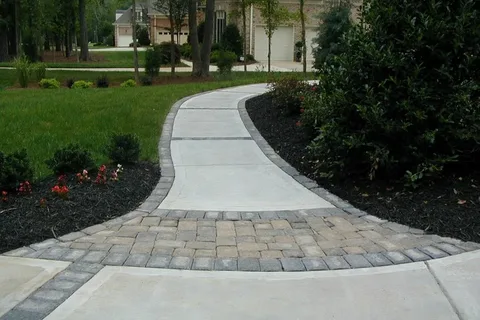
Successful custom walkway design should reflect the home’s architecture and available outdoor space. Straight pathways often complement formal entrances, while gentle curves may work better through gardens or landscaped yards. However, excessive curves can make everyday walking routes unnecessarily long.
Homeowners should consider five practical design features:
- Walkway width: Allow comfortable movement and space for expected foot traffic.
- Surface texture: Choose paving materials that offer suitable traction when wet.
- Path alignment: Connect entrances and outdoor features through convenient routes.
- Landscape integration: Leave appropriate space for plants, borders, and drainage.
- Outdoor lighting: Improve visibility along steps, turns, and entrance areas.
For Riverhead properties, walkway layouts should also account for existing slopes and seasonal rainfall.
Choosing Materials for Reliable Paver Walkway Design
Paving materials influence appearance, maintenance requirements, and long-term walkway performance. Concrete, brick, and natural stone each provide different textures and design possibilities. Therefore, homeowners should compare their characteristics rather than selecting materials based on color alone.
Comparing Common Walkway Paver Materials
Expert paver walkway design begins with selecting products suitable for pedestrian use and local weather conditions. Concrete pavers offer various shapes and finishes, while clay brick creates a traditional appearance. Natural stone provides distinctive textures, although individual products can vary in thickness and surface characteristics.
Five factors deserve attention before choosing materials:
- Durability: Select pavers suitable for outdoor exposure and regular foot traffic.
- Slip resistance: Consider surface texture during wet or icy conditions.
- Color coordination: Match paving tones with nearby masonry and exterior finishes.
- Maintenance: Review cleaning needs and manufacturer recommendations.
- Installation requirements: Confirm suitable bedding, joint spacing, and base specifications.
Homeowners considering paver walkway installation should also compare installation requirements. Material selection directly affects foundation preparation, edge detailing, and finishing methods.
Planning Walkway Layouts for Riverhead Homes
A practical walkway should follow natural movement patterns without interfering with existing features. Before choosing a layout, homeowners should identify entrances, outdoor seating areas, landscaping, and changes in ground elevation. This preparation helps create a route that feels comfortable during everyday use.
Designing Walkways Around Existing Landscapes
Custom paver walkway design in Riverhead, NY should balance appearance with accessibility and available space. For example, a gently curved garden path may complement planting beds, while a direct front walkway usually offers easier access to the main entrance.
Five layout considerations can improve the finished pathway:
- Maintain a convenient route between frequently used areas.
- Allow sufficient clearance near doors, gates, and steps.
- Avoid placing pavers too close to vulnerable tree roots.
- Consider surface drainage before finalizing pathway direction.
- Coordinate borders with existing patios and landscape materials.
Additionally, interlocking pavers offer different laying patterns that can complement surrounding hardscape features. Running bond, basketweave, and herringbone arrangements create distinct appearances without changing the walkway’s main purpose.
Why Proper Installation Matters for Walkway Durability
Even attractive paving materials can develop problems when installers overlook foundation preparation. Uneven settlement, shifting edges, and poor drainage often relate to conditions beneath the finished surface. Consequently, careful construction plays an important role in walkway stability.
Essential Steps in Walkway Construction
A dependable installation process includes excavation, base preparation, grading, paver placement, and joint finishing. The required foundation depends on soil conditions, expected traffic, and the selected paving system.
Five installation practices support better results:
- Remove unsuitable soil and organic material.
- Compact appropriate aggregate in controlled layers.
- Establish suitable slopes for surface drainage.
- Install edge restraints where the system requires them.
- Fill joints using compatible materials and finishing methods.
Homeowners considering reliable brick paver repair should also investigate why existing surfaces have shifted or settled. Replacing loose bricks without addressing foundation problems may allow the same issue to return.
Common Paver Walkway Problems and Repairs
Outdoor walkways experience regular exposure to moisture, temperature changes, soil movement, and foot traffic. Although correctly installed paving can provide years of use, occasional maintenance and repairs may still become necessary.
Recognizing Problems Before They Spread
Common warning signs include uneven pavers, loose borders, persistent puddles, missing joint material, and surface staining. Addressing these conditions early can help prevent more extensive repairs and reduce tripping hazards.
Five useful repair considerations include:
- Identify the cause of settlement before resetting pavers.
- Replace cracked or damaged units with compatible materials.
- Restore missing joint material when necessary.
- Correct drainage problems contributing to surface movement.
- Inspect edge restraints for shifting or deterioration.
For homeowners considering professional hardscape contractors in Southampton, NY, evaluating these conditions can help determine whether a walkway needs targeted repairs or more extensive reconstruction.
However, extensive settlement may require rebuilding sections of the supporting foundation rather than simply replacing individual pavers.
Maintaining Paver Walkways Throughout the Year
Routine maintenance helps preserve walkway appearance and identify problems before they become serious. In Riverhead, seasonal moisture and freezing conditions make surface inspections particularly useful. Simple cleaning and timely repairs can support long-term walkway performance.
Practical Walkway Maintenance Tips
After affordable paver walkway design and installation, homeowners should follow maintenance practices suited to their selected materials. Cleaning requirements vary, so manufacturer guidance remains the best starting point.
Five helpful maintenance habits include:
- Sweep leaves, dirt, and debris regularly.
- Remove stains with paver-compatible cleaning products.
- Inspect joints and replace missing material when necessary.
- Check for uneven surfaces after winter.
- Use appropriate snow removal tools and deicing products.
Furthermore, homeowners should monitor drainage after heavy rain. Water collecting along the pathway may indicate grading problems or blocked drainage routes.
Avoid aggressive pressure washing, which can dislodge joint material or damage certain finishes. Instead, select cleaning methods appropriate for the walkway’s construction.
Conclusion
A properly designed paver walkway improves movement around a property while creating an organized, attractive outdoor space. However, successful results depend on more than choosing appealing stones. Material quality, pathway layout, foundation preparation, drainage, and maintenance all influence how the finished walkway performs.
Homeowners in Riverhead should consider daily foot traffic, existing landscaping, and seasonal weather before selecting a design. Additionally, reviewing paving samples and discussing installation details can help prevent unexpected changes during construction.
For Southampton homeowners, expert custom walkway design in Southampton, NY offers similar practical considerations. The right pathway should connect important outdoor spaces naturally while remaining comfortable to use and maintain.
Before beginning a project, compare material options, discuss ground conditions, and review the proposed installation process. A clear plan should address pathway dimensions, surface grading, paver specifications, and finishing details.
TrueLine Home Improvement provides paver and exterior improvement services for homeowners considering walkway projects in Riverhead and Southampton, NY. Careful planning and appropriate construction methods can help create pathways that suit the property and support everyday use.
Frequently Asked Questions
What materials are suitable for outdoor paver walkways?
Concrete pavers, clay brick, and suitable natural stone are common options. The best choice depends on appearance, traction, maintenance, and site conditions.
How wide should a residential paver walkway be?
A walkway around 36–48 inches wide often suits residential foot traffic. However, accessibility requirements and intended use may require different dimensions.
Can paver walkways be installed on sloped ground?
Yes. Mild slopes may be accommodated through proper grading, while steeper areas may require steps or additional structural planning.
How long does a paver walkway last?
A properly constructed walkway can last for decades. Actual lifespan depends on materials, installation quality, drainage, traffic, and maintenance.
Can damaged walkway pavers be replaced individually?
Yes. Individual pavers can often be removed and replaced. However, underlying foundation problems should be corrected to prevent recurring damage.