A chimney can look perfectly sound from the yard while water is already getting behind the flashing or masonry. In Riverhead, where coastal weather, strong winds, rain, snow, and freeze-thaw cycles can all take a toll, getting the chimney system right from the start matters. Trueline Home Improvement approaches chimney work with that practical concern in mind: the goal is not simply to put a chimney on a roof, but to create a safe, properly supported path for smoke and combustion gases while protecting the house around it.
What Chimney Installation Actually Includes
Chimney installation is the process of building or fitting a complete venting system for a fireplace, wood stove, heating appliance, or other approved fuel-burning equipment. Depending on the property, that can involve a masonry chimney, a factory-built metal system, a flue liner, firestopping, flashing, a chimney crown or termination, and a weather-resistant cap.
The right design depends heavily on the appliance. A wood-burning fireplace has different venting requirements from a high-efficiency gas appliance. Chimney height, flue diameter, clearances from combustible materials, roof pitch, structural support, and the route through the house all have to be considered before materials arrive.
In Riverhead, we’ve noticed that most homeowners first focus on the visible brick or metal above the roof. The less visible parts often deserve equal attention. A liner that is incorrectly sized, inadequate clearance around a flue, or poorly fitted flashing can create problems even if the finished chimney looks excellent.
A Best Fireplace Chimney Inspection before major work can identify an existing liner, structural weakness, moisture entry, or other condition that affects the installation plan. For an older home, that preliminary check can prevent a new system from being designed around a problem that was already present.
Riverhead also falls under New York’s Uniform Code requirements, and Town of Riverhead regulations establish building-permit procedures for applicable construction work. Projects involving structural alterations or regulated equipment should be checked with the appropriate town department before work begins.
The Real Challenge in Riverhead, NY
Riverhead’s location on eastern Long Island creates a particular maintenance problem: moisture does not always arrive as a gentle vertical rain. Wind-driven rain can push water toward flashing joints, masonry cracks, chimney crowns, and exposed seams. Salt-laden coastal air can also contribute to corrosion of metal components over time.
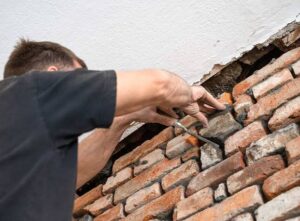
A client in Riverhead reached out after noticing a damp patch on the ceiling near the fireplace following several days of heavy rain. The chimney appeared stable from the ground, but inspection showed that the problem involved deteriorated masonry and a vulnerable roof-to-chimney transition rather than the fireplace itself. The repair plan addressed the water-entry points instead of simply sealing the visible interior stain.
That illustrates an objection homeowners often have: “If the chimney is already there, why can’t I just repair it?” Sometimes you absolutely can. A sound structure with localized damage may only need Expert Chimney Masonry Repair in Riverhead , NY flashing repair, a new cap, or other targeted maintenance. Rebuilding or installing a new system becomes more appropriate when the flue, structure, clearances, or overall condition no longer support a safe repair.
Chimney repair should therefore begin with diagnosis, not a predetermined list of parts. A contractor who recommends replacing everything without explaining the condition of the existing system leaves the homeowner with an expensive decision and little useful information.
Another question that is often glossed over is whether a new chimney can simply follow the route of the old one. Not always. Changes to the appliance, insulation, roof structure, room layout, or fuel type can alter venting requirements. A new installation should be designed around the current appliance and building conditions rather than copied from an outdated setup.
How Trueline Home Improvement Approaches It Differently
Trueline Home Improvement’s approach centers on assessing the complete chimney system before deciding what should be built, replaced, or repaired. That starts with the appliance and intended use, then moves outward through the flue, support, roof penetration, exterior masonry or metal components, termination, and weather protection.
A practical installation sequence generally includes:
- Reviewing the appliance and venting needs. The fireplace, stove, or heating equipment determines the type and size of venting system required.
- Checking the proposed route. The chimney needs adequate clearance from combustible construction and a suitable path through the building and roof.
- Assessing the roof transition. Flashing is a small component with a major job. It must direct water away from the chimney rather than simply cover a gap.
- Selecting suitable materials. Masonry, stainless steel, mortar, liners, flashing metals, insulation, fasteners, and caps all need to work together.
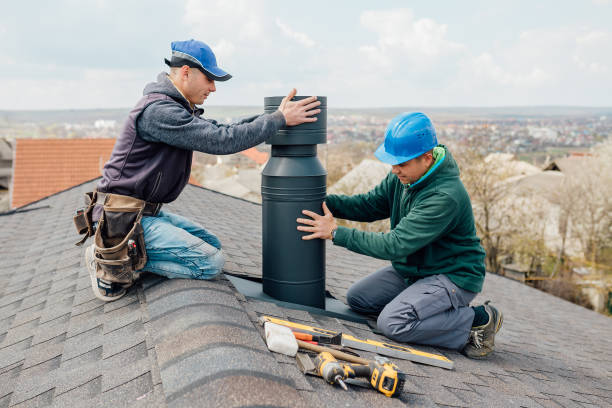
- Protecting the chimney termination. A properly fitted cap helps keep rain, debris, and animals out while allowing the system to vent as designed. Chimney Cap Installation in Riverhead , NY should be based on the flue and chimney configuration rather than simply covering the opening.
- Checking the finished work. The completed system should be reviewed for stability, clearances, connections, weather protection, and applicable code requirements.
The competitor-content gap is fairly clear in current Riverhead search results: many local pages concentrate heavily on repair, cleaning, emergency service, and generic inspection advice. Less attention is given to the decision-making stage before installation—particularly how the appliance, liner, roof penetration, structural support, and weather exposure have to work together.
That is also where a useful misconception deserves correction: a chimney cap is not a substitute for a properly built chimney. A properly fitted cap protects the termination from precipitation and debris, but it cannot correct an undersized flue, damaged liner, poor flashing, structural instability, or incorrect clearances.
Practical Tips: What to Know Before You Decide
Start with the appliance, not the chimney. Knowing whether you are venting a wood-burning fireplace, wood stove, gas appliance, or another approved system gives the contractor the information needed to discuss the appropriate venting arrangement.
Ask for the installation scope in writing. You should be able to see what is included for the flue or liner, exterior components, flashing, cap, structural support, finishing work, permits where applicable, and cleanup. Vague estimates make it difficult to compare two proposals fairly.
Working with clients in Riverhead, our team found that roof access is another factor homeowners sometimes underestimate. Steep roof sections, difficult chimney locations, landscaping, and limited working space can affect labor and equipment needs. A quote based only on the visible chimney may not reflect the actual work required to reach it safely.
One local-market tip is to schedule an assessment before the fall rush rather than waiting until the first cold evening. Chimney companies tend to become busier as homeowners prepare fireplaces and heating systems for winter. Planning earlier gives you more time to compare written scopes and address masonry, liner, or roof issues before regular use begins.
Do not automatically choose the lowest estimate. Instead, compare what each contractor is actually proposing. A lower price may reflect fewer components, limited roof work, different liner materials, or no allowance for correcting an existing structural issue.
Ask about maintenance, too. A new chimney still needs periodic inspection and cleaning appropriate to its appliance and use. Chimney sweep and cleaning is not a replacement for sound construction, but routine care can reveal creosote buildup, damaged components, animal intrusion, or developing moisture problems before they become larger repairs.
Finally, verify who is responsible for permits and inspections. Town of Riverhead regulations state that the Uniform Code applies to construction in the town, while applicable fire-prevention rules can also impose permit requirements for regulated installations.
Build the Chimney Around the Whole System
A good chimney project is measured by more than how the finished exterior looks. The appliance, flue, clearances, roof penetration, masonry or metalwork, drainage, and termination all need to function together for the long term. For homeowners considering chimney installation in Riverhead, NY, Trueline Home Improvement can help assess the existing conditions and identify the work that actually makes sense. Start with an inspection and a written scope so you know what you are paying for before construction begins.
FAQs
How much does chimney installation cost in Riverhead, NY?
There is no reliable single price because chimney height, materials, roof access, liner requirements, appliance type, structural work, and permitting can change the scope considerably. A new metal venting system may cost far less than a full masonry chimney. Get an itemized estimate showing materials, labor, access equipment, and related roof or masonry work.
How long does a new chimney installation take?
A straightforward factory-built chimney system may be completed relatively quickly, while masonry construction or a project requiring structural changes can take considerably longer. Weather and inspection schedules can also affect timing in Riverhead. Ask for an estimated work period after the contractor has inspected the property and confirmed the appliance and installation requirements.
Do I need a chimney inspection before installing a new system?
An inspection is especially useful when an existing chimney, fireplace, liner, or venting route will be reused. It can uncover damaged masonry, corrosion, poor clearances, or other conditions that affect the new work. For a completely new system, the contractor should still evaluate the appliance, building structure, roof route, and intended venting arrangement before installation.
How can I tell if a chimney contractor is legitimate?
Ask for a written scope, proof of insurance, applicable licenses or registrations, references, and clear information about permits and inspections. Check that the estimate identifies the materials and work being proposed rather than using broad descriptions. Be cautious about unsolicited offers, pressure to approve expensive repairs immediately, or unusually low prices with little detail.
Is chimney cap installation really necessary?
A cap can help keep rain, leaves, debris, and animals from entering the chimney while protecting the termination from weather exposure. It does not fix structural damage or a faulty liner, so it should be considered one part of the chimney system. The correct cap also needs to suit the flue and appliance rather than simply covering the opening.