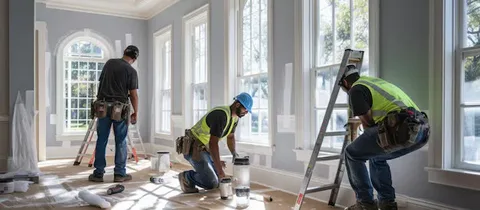
Homeowners in Riverhead, NY, can improve comfort, function, and long-term value with thoughtful updates. From refreshing an outdated kitchen to improving insulation, small changes can make everyday living easier. However, the best projects depend on your home’s condition, budget, and future needs.
Choosing reliable Home Improvement solutions starts with understanding which areas need attention first. For example, an older bathroom may need better ventilation, while a drafty living room could benefit from improved insulation and sealed windows. Therefore, reviewing your home’s current condition helps you make informed decisions.
Trueline Home Improvement understands that every property has different requirements. Some homeowners prefer simple cosmetic changes, while others need larger renovations that improve how their homes function. Moreover, properties in Riverhead and nearby communities such as Stony Brook may face different maintenance needs depending on their age, construction, and exposure to coastal weather.
A practical renovation plan balances appearance, durability, and everyday convenience. By prioritizing essential repairs and choosing suitable materials, you can make improvements that serve your household for years. The following ideas explain where to begin, what to consider, and how to plan your next project.
Refresh Your Kitchen for Better Everyday Living
The kitchen serves as a central gathering place in many homes. However, an outdated layout, worn cabinets, or poor lighting can make cooking and cleaning less convenient. You do not always need a complete renovation to improve the space. A few targeted updates can create a more comfortable and functional kitchen.
Start by examining how you use the room. Consider whether you have enough counter space, accessible storage, and clear pathways between appliances. Additionally, identify features that no longer meet your family’s needs before deciding which changes deserve priority.
Upgrade Cabinets, Lighting, and Countertops
Cabinet improvements can make a noticeable difference without requiring a full replacement. For example, repainting suitable cabinets, replacing worn handles, and adjusting misaligned doors can refresh their appearance. If the cabinet boxes remain sturdy, these smaller updates may offer better value than installing entirely new units.
Lighting also deserves attention. Under-cabinet lights improve visibility during food preparation, while ceiling fixtures provide general illumination. Meanwhile, durable countertops can make cleaning easier and improve the room’s overall appearance.
When planning kitchen renovations, consider these practical ideas:
- Improve storage: Add drawer organizers, pull-out shelves, or pantry solutions.
- Update fixtures: Choose faucets and handles that suit your kitchen’s style.
- Improve lighting: Combine general lighting with task lighting.
- Review appliance placement: Keep frequently used appliances easy to reach.
- Choose durable materials: Compare maintenance needs before selecting countertops and flooring.
Furthermore, set a realistic budget before purchasing materials. Leave room for unexpected repairs, especially if the renovation involves older plumbing, electrical systems, or damaged cabinets. Careful planning helps prevent unnecessary expenses and keeps the project focused on your actual needs.
Improve Energy Efficiency and Indoor Comfort
Energy efficiency can make a home more comfortable throughout the year. Riverhead experiences seasonal temperature changes, so homeowners may notice drafts during winter and unwanted heat during summer. Consequently, improving insulation and sealing air leaks can help reduce energy waste.
Start with a simple inspection of windows, exterior doors, attic spaces, and visible gaps around utility openings. However, avoid assuming that every uncomfortable room needs new windows or an expensive heating system. Sometimes, basic maintenance can address the underlying problem.
Choose Affordable Home Improvement Upgrades That Save Energy
Affordable Home Improvement projects can begin with straightforward changes that improve comfort without requiring a major renovation. For instance, weatherstripping can reduce drafts around movable doors and windows. Sealing suitable gaps may also limit unwanted air movement.
Before investing in larger upgrades, consider these five practical steps:
- Seal air leaks: Check door frames, window edges, and other accessible gaps.
- Inspect attic insulation: Look for uneven coverage, moisture, or visible damage.
- Maintain heating and cooling equipment: Follow the manufacturer’s maintenance recommendations.
- Use efficient lighting: Replace compatible older bulbs with energy-efficient alternatives.
- Check window condition: Repair damaged seals and inspect frames for deterioration.
Moreover, review your home’s energy use before choosing major equipment replacements. A qualified professional can assess insulation, ventilation, and heating performance to identify suitable improvements.
If you plan to replace windows or upgrade insulation, compare product specifications, installation requirements, and expected maintenance. Similarly, consider ventilation when making a home more airtight. Proper airflow helps manage indoor moisture and supports a healthier living environment.
Ultimately, energy-related improvements work best when they address the actual source of discomfort. A targeted assessment can help you avoid spending money on upgrades that do not solve the problem.
Upgrade Bathrooms and Plan Residential Remodeling Carefully
Bathrooms experience daily moisture, frequent use, and regular cleaning. Therefore, worn fixtures, damaged grout, poor ventilation, and outdated storage can affect both comfort and maintenance. Improving these areas can make a bathroom easier to use without changing its entire layout.
Before beginning a renovation, inspect the room for signs of leaks, loose tiles, damaged flooring, or persistent moisture. These problems deserve attention before cosmetic upgrades. Otherwise, new finishes may conceal issues that require more extensive repairs.
Make Practical Changes Before Replacing Everything
Thoughtful Residential Remodeling service can improve functionality while keeping unnecessary construction to a minimum. For example, replacing an old vanity may provide more storage, while a better exhaust fan can help control moisture. Additionally, modern fixtures can improve usability without requiring major plumbing changes.
Consider these five improvements when planning a bathroom project:
- Update the vanity: Choose storage that accommodates everyday essentials.
- Improve ventilation: Install an appropriately sized exhaust fan when needed.
- Replace damaged grout: Address deteriorating joints and investigate recurring moisture.
- Upgrade fixtures: Select practical faucets and showerheads that suit the existing plumbing.
- Improve accessibility: Consider slip-resistant flooring, grab bars, and easier-to-use controls.
For broader renovations, review the relationship between plumbing, electrical work, waterproofing, and surface finishes. Changes to one system may affect another, so coordinate the work before installation begins.
Furthermore, verify local permit requirements before changing plumbing locations, electrical systems, or structural components. Appropriate planning helps reduce delays and supports a safer, more durable result.
Strengthen Curb Appeal and Protect Exterior Surfaces
Your home’s exterior influences its appearance and helps protect the structure from weather. In Riverhead, changing temperatures, rain, wind, and coastal conditions can contribute to paint deterioration, moisture intrusion, and material wear. Regular inspections can help you identify problems before they become more expensive.
Begin by walking around your property and checking siding, trim, doors, steps, railings, and visible foundation areas. Look for peeling paint, loose materials, damaged caulking, and signs of water entering the building. However, avoid covering damaged surfaces with fresh paint before identifying the cause.
Select Exterior Improvements That Last
Exterior updates should balance appearance with protection. For example, repainting properly prepared siding can refresh a property, while repairing damaged trim can help prevent moisture from reaching vulnerable areas. Additionally, suitable landscaping can improve the appearance of entrances and outdoor spaces.
Use these five practical ideas to guide your plans:
- Refresh exterior paint: Select products suitable for the existing surface and local conditions.
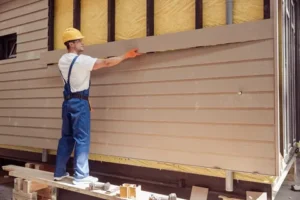
- Repair siding: Replace damaged sections and investigate moisture behind loose materials.
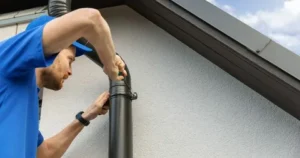
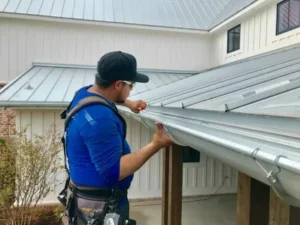
- Maintain gutters: Clear blockages and check that water drains away from the foundation.
- Improve the entrance: Repair steps, update suitable lighting, and maintain the front door.
- Review outdoor drainage: Address areas where water collects near the house.
Material selection matters as well. Exterior products should suit the surface, installation conditions, and expected exposure to moisture. Follow manufacturer instructions and prepare surfaces correctly before applying finishes.
If you notice extensive rot, persistent leaks, or movement in exterior structures, seek a qualified assessment rather than relying on cosmetic repairs. Early attention can help protect surrounding materials and reduce the risk of further deterioration.
Make Living Spaces More Functional and Comfortable
A successful renovation should improve how your home supports everyday activities. Sometimes, the most useful changes involve better storage, improved room layouts, or more practical lighting rather than expensive decorative upgrades.
For example, a crowded living room may benefit from rearranged furniture and built-in storage. Meanwhile, a home office may need additional outlets, better task lighting, or quieter surroundings. Therefore, identify the problems you experience daily before deciding which improvements to make.
Create Flexible Spaces for Changing Needs
A well-planned room can serve several purposes without feeling cluttered. Consider how your household uses bedrooms, living areas, basements, and spare rooms. Additionally, think about future needs when selecting furniture, storage, and finishes.
These five ideas can help improve functionality:
- Add organized storage: Use shelves, cabinets, and closet systems to reduce clutter.
- Improve room lighting: Combine ambient lighting with task lighting where needed.
- Review furniture placement: Keep walkways clear and make frequently used items accessible.
- Refresh flooring: Repair worn areas and choose materials suited to each room’s use.
- Improve comfort: Address drafts, noise, and temperature differences where possible.
When projects involve moving walls or changing room layouts, consult a qualified professional to determine whether the work affects structural elements, wiring, plumbing, or ventilation.
Moreover, choose finishes based on durability and maintenance rather than appearance alone. Busy households may benefit from washable paint, hard-wearing flooring, and easy-to-clean surfaces. These choices can help rooms remain practical over time.
A carefully planned space can feel more comfortable without requiring extensive construction. Start with the changes that solve the biggest everyday problems, then consider decorative details once the essential work is complete.
Plan Your Home Improvement Budget and Hire the Right Professional
Every renovation involves decisions about cost, materials, scheduling, and workmanship. A clear plan helps you compare options and avoid committing to changes that do not fit your budget. It also makes it easier to explain your priorities to a contractor.
Begin by separating essential repairs from optional upgrades. For example, correcting a water leak should generally take priority over installing decorative finishes. Similarly, addressing unsafe electrical components matters more than replacing cabinets that remain in good condition.
Compare Contractors, Estimates, and Project Details
A qualified Home Improvement Contractor in Stony Brook , NY can help assess project requirements, explain material choices, and coordinate appropriate trades. However, homeowners should still review proposals carefully rather than selecting a provider based on price alone.
Keep these five points in mind when planning your project:
- Define the scope: List the work, materials, and expected results.
- Compare written estimates: Review labor, materials, exclusions, and payment terms.
- Check qualifications: Verify relevant licensing, insurance, and local requirements.
- Confirm the schedule: Discuss start dates, estimated duration, and potential delays.
- Plan for surprises: Set aside a contingency fund for concealed damage or necessary changes.
Additionally, ask how the contractor will protect floors, manage debris, and communicate progress. Clarify who will obtain required permits and arrange inspections when applicable.
A written agreement should describe the work, costs, payment schedule, materials, and process for approving changes. Keep copies of receipts, product information, and relevant project documents.
Finally, inspect completed work before making the final payment according to your agreement. Raise concerns promptly and request clarification about warranties or maintenance requirements. These steps help establish clear expectations and support a more organized renovation experience.
Conclusion
Improving your home in Riverhead, NY, starts with identifying what matters most to your household. Kitchen updates can improve storage and convenience, while bathroom renovations can address moisture problems and make daily routines easier. Likewise, energy-efficiency improvements may help reduce drafts, and exterior maintenance can protect vulnerable building materials.
The best approach is to prioritize necessary repairs before investing in decorative changes. For example, investigate persistent moisture before replacing bathroom finishes. Similarly, inspect insulation and air leaks before committing to major heating or cooling upgrades. These steps help you make informed decisions based on your property’s actual condition.
Homeowners comparing reliable Home Improvement Services in Riverhead, NY should consider experience, project requirements, material quality, and written estimates. Nearby homeowners in Stony Brook can use the same planning principles while accounting for their property’s specific construction and maintenance needs.
Furthermore, choosing a suitable contractor involves more than comparing prices. Ask questions, confirm relevant qualifications, review the proposed scope, and understand the payment terms before work begins. A clear agreement helps everyone understand their responsibilities.
Trueline Home Improvement can be considered when exploring renovation options for your property. Before moving forward with any project, establish a realistic budget and decide which improvements will provide the greatest practical benefit.
Ultimately, successful renovations combine careful planning, suitable materials, and quality workmanship. By addressing immediate concerns and choosing upgrades that match your long-term needs, you can create a more comfortable, functional, and well-maintained home.
FAQs
What home improvement projects should I prioritize first?
Start with safety concerns, water leaks, structural issues, and damaged electrical or plumbing systems. Then consider energy efficiency, functionality, and cosmetic upgrades.
How can I improve my home’s appearance without a major renovation?
Repainting suitable surfaces, updating lighting, refreshing cabinet hardware, maintaining landscaping, and repairing exterior trim can improve appearance without extensive construction.
Are energy-efficient upgrades worthwhile for Riverhead homes?
They can improve comfort and may reduce energy waste. However, the best upgrades depend on your home’s insulation, air leakage, existing equipment, and energy use.
How do I choose a home improvement contractor?
Compare written estimates, verify relevant qualifications and insurance, review project details, and discuss timelines, payment terms, permits, and warranties.
Do home improvement projects in Riverhead require permits?
Some projects require permits, especially those involving structural changes, electrical work, plumbing, or other regulated construction. Check with the relevant local building department before starting work.