An uneven patio, a sinking driveway edge, or a walkway that collects water after every storm can make everyday outdoor spaces frustrating to use. These problems often begin below the finished surface, where poor drainage or inadequate ground preparation gradually affects stability.
For homeowners considering Pavers in Riverhead, NY, understanding the condition of the existing ground is just as valuable as choosing an attractive stone. At TrueLine Home Improvement Inc, the discussion starts with how the outdoor area will function, how water moves across the property, and what the surface needs to withstand over time.
A properly planned hardscape can improve access between outdoor spaces, create more usable areas around the home, and reduce recurring problems associated with loose or uneven surfaces. However, lasting results depend on decisions made before the first stone is laid.
Understanding Paver Installation for Riverhead Properties
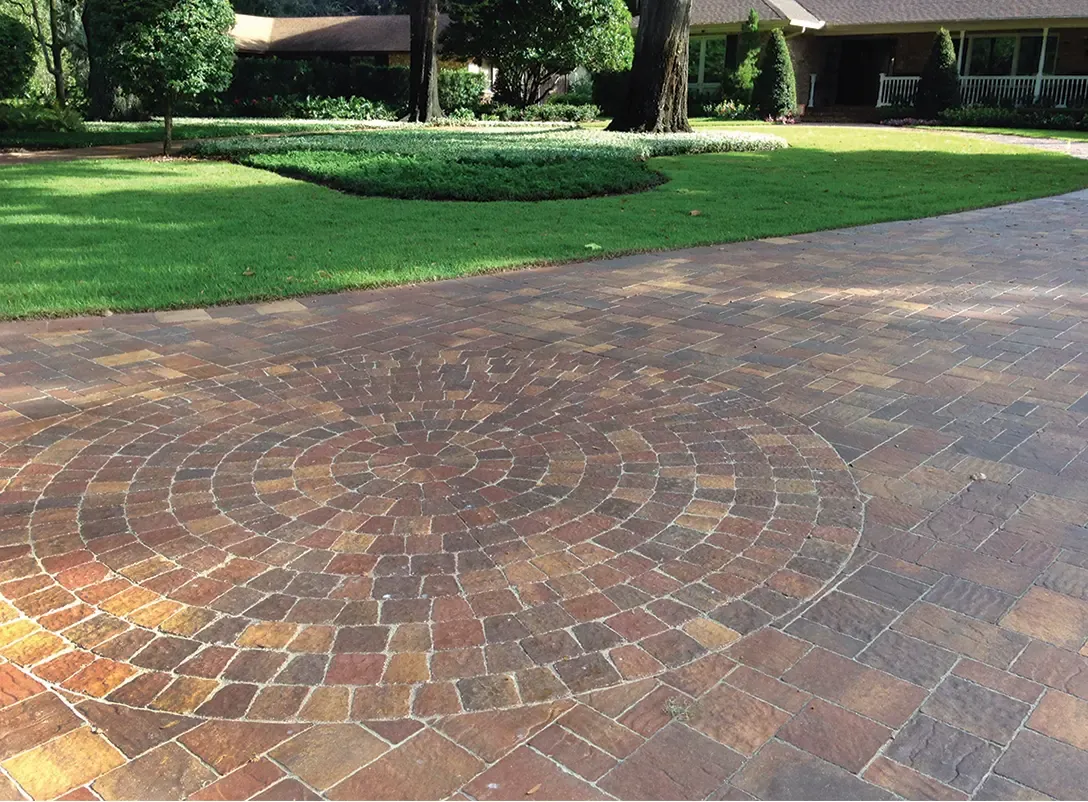
Paver installation involves creating a stable outdoor surface using individual concrete, brick, or natural stone units arranged over a prepared foundation. Unlike a continuous poured concrete slab, an interlocking surface consists of separate pieces held in position through edge restraints, joint material, and a properly compacted base.
The installation method makes these surfaces suitable for patios , driveways, garden paths, and outdoor seating areas. Individual units can also be lifted and replaced when underground utility work or localized repairs become necessary.
In Riverhead, we’ve noticed that one of the most useful distinctions homeowners can make is between choosing a decorative surface and planning a functional one. A patio designed for furniture and foot traffic has different support requirements from an area that regularly carries parked vehicles.
Material selection should reflect that difference.
Concrete paving stones offer a broad selection of shapes, textures, and colors. Natural stone provides distinctive surface variations, although thickness, installation methods, and maintenance requirements depend on the material. Clay brick offers a traditional appearance that works particularly well with older residential architecture.
For driveways, the chosen units must be rated for vehicular loading, and the foundation needs to accommodate expected traffic. Decorative stones intended for pedestrian use should not automatically be treated as suitable for cars.
Patio paver services also require careful consideration of surface texture. A finish that looks attractive in a showroom may become uncomfortable under bare feet or slippery when wet.
A reliable design balances appearance, drainage, access, and maintenance rather than allowing any one feature to determine the entire project.
Why Outdoor Surfaces Become Uneven in Riverhead, NY
Riverhead experiences cold winters, seasonal rainfall, and repeated temperature changes that can affect outdoor hardscapes. Moisture entering poorly prepared base materials may contribute to movement during freezing and thawing periods.
Not every uneven surface develops because of winter weather, however. Inadequate compaction, poorly controlled runoff, weak edge restraints, and settlement around previously disturbed soil can create similar problems.
The most effective repair depends on identifying the actual cause.
Consider an illustrative situation involving a Riverhead homeowner who notices that several stones near the garage have started sinking. Rainwater collects in the depression, and the uneven edge becomes increasingly noticeable when pulling into the driveway. A site inspection identifies poorly compacted material beneath the affected section, making local reconstruction more appropriate than simply adding joint sand.
This distinction matters because surface-level adjustments cannot permanently correct every foundation problem.
Why Drainage Matters More Than Appearance
A common concern is whether installing interlocking stones will make an existing drainage problem worse.
The answer depends on how the area is designed.
Water should move away from vulnerable structures and toward suitable drainage locations without being redirected onto neighboring properties. Surface grading, nearby downspouts, surrounding landscaping, and existing drainage infrastructure all influence the layout.
Some permeable systems allow stormwater to pass through specially designed joints into an open-graded stone reservoir. Conventional installations generally shed water across the finished surface instead.
These approaches are not interchangeable, and neither automatically resolves poor site drainage.
Driveway pavers can provide an attractive alternative to asphalt or poured concrete, but the design must consider vehicle movement, turning areas, and the transition between the driveway and public roadway.
Homeowners should also verify applicable municipal requirements before changing driveway entrances, drainage connections, or areas near the public right-of-way.
How TrueLine Home Improvement Inc Approaches Surface Stability
A dependable project begins with evaluating the property rather than selecting a pattern from a catalog. For TrueLine Home Improvement Inc, the practical approach to a Riverhead hardscape starts with ground conditions, intended use, drainage direction, and the surrounding structures.
The work should follow a clear sequence.
Examine the Existing Site
The first stage involves checking the current surface, visible settlement, nearby structures, and areas where water accumulates.
Existing slopes are especially important because changing the finished elevation can affect door thresholds, steps, garage entrances, and landscape borders.
The site assessment also helps determine whether an old surface can be removed and reconstructed or whether additional excavation and drainage corrections are needed.
Prepare and Compact the Foundation
After excavation, the underlying soil is assessed for stability. Suitable aggregate base material is then placed and compacted in controlled layers.
The required base thickness depends on soil conditions, drainage, anticipated loads, and the manufacturer’s installation specifications.
This is where a less visible installation detail can significantly influence future performance: a thick layer of aggregate does not compensate for inadequate compaction.
Soft areas may require excavation and replacement, while a geotextile separation layer can help prevent unsuitable soil from mixing with the base where conditions justify its use.
Establish Bedding, Alignment, and Restraints
A consistent bedding layer supports the paving units at their intended elevation. The surface is laid according to the selected pattern, with attention to alignment, joint spacing, and transitions.
Proper edge restraints help prevent movement along unsupported boundaries.
Depending on the system, suitable joint sand is applied and the finished surface compacted using equipment appropriate for the chosen material.
Check Drainage and Finish Details
The final inspection should assess surface elevations, movement underfoot, surrounding transitions, and drainage outlets.
Effective Paver Services in Riverhead , NY should also account for access to cleanouts, utility covers, and other features that may require future maintenance.
One detail often overlooked in general installation advice is the relationship between the paving edge and adjacent soil. If surrounding landscaping is higher than the finished hardscape, soil and mulch can wash onto the surface, trap moisture, and increase maintenance.
Correcting this during construction is usually simpler than modifying the surrounding landscape later.
Practical Tips Before Choosing a Paved Surface
Working with clients in Riverhead, our team found that decisions about surface layout often deserve more attention than decorative patterns. A walkway that is too narrow, for example, may look balanced on paper but feel uncomfortable when two people pass each other or someone carries groceries toward the entrance.
Thoughtful planning should reflect how the space will actually be used.
Choose Materials Based on Daily Activity
A front walkway benefits from consistent footing and clearly defined edges. A backyard patio may need additional room for furniture, grilling equipment, and circulation around seating areas.
Textured materials can improve traction in wet conditions, although surface characteristics vary by product.
Paver walkway design in Sag Harbor, NY should also consider steps, changes in elevation, outdoor lighting, and accessible routes where applicable.
Before choosing a material, request physical samples and view them outdoors. Sunlight, moisture, and nearby building materials can change how colors appear.
Ask What Happens Beneath the Finished Surface
Homeowners sometimes compare estimates based almost entirely on the price of the visible stone.
A more useful comparison includes excavation depth, disposal, aggregate materials, compaction procedures, bedding, edge restraints, and drainage work.
Ask the contractor to explain which site conditions could change the quoted price after excavation begins.
This helps distinguish genuine unforeseen ground conditions from work that should have been included in the original scope.
Understand Repair and Maintenance Requirements
Interlocking surfaces can be repaired in sections, which is a practical advantage over some continuous paving materials.
However, repairability does not mean maintenance is unnecessary.
Joint material may need replenishment, weeds should be addressed before roots spread, and accumulated debris should be removed from drainage openings.
Avoid aggressive pressure washing that can dislodge joint sand or damage softer stone surfaces.
If settlement occurs, investigate the base rather than repeatedly adding material beneath individual units.
Account for Local Conditions and Property Access
Riverhead properties can vary considerably in lot layout, soil characteristics, and surrounding drainage features. A site near a low-lying area may require different water-management considerations from one with well-drained soil and established grades.
Schedule excavation and installation around suitable weather conditions. Frozen ground, saturated soil, or heavy rainfall can interfere with proper preparation and compaction.
Before signing a contract, confirm equipment access, material storage locations, protection for existing landscaping, and who handles debris removal.
It is also sensible to ask whether the planned work requires municipal approval, particularly if the project changes an existing driveway entrance or involves regulated site improvements.
A clear written scope should identify the expected materials, construction stages, payment terms, and responsibility for unexpected site conditions.
Plan a More Stable Outdoor Surface in Riverhead
A successful outdoor paving project starts with understanding ground conditions, drainage, and how the finished space will be used. Investing attention in these details can help prevent avoidable settlement and make future maintenance easier. Homeowners considering installation or repairs can discuss site-specific options with TrueLine Home Improvement Inc for paver work in Riverhead, NY. Start with a property assessment and a written project scope before selecting the final materials.
FAQs
How much does paver installation cost in Riverhead, NY?
Installation costs depend on the size of the area, material selection, excavation requirements, and drainage conditions. Driveways generally require stronger foundations than pedestrian patios. Difficult site access or removal of existing concrete can increase labor costs. Request an itemized estimate that separates preparation, materials, installation, and disposal expenses.
How long can a professionally installed paver patio last?
A properly installed patio can last several decades, depending on material quality, foundation preparation, drainage, and maintenance. Concrete units may eventually show wear or fading, while natural stone has different durability characteristics. Periodic joint maintenance and prompt settlement repairs can help preserve the surface and reduce larger reconstruction expenses.
Are concrete paving stones suitable for Riverhead’s winter weather?
Yes, appropriately manufactured concrete paving stones can perform well through Riverhead’s seasonal temperature changes. Proper drainage and a stable, compacted foundation are essential because trapped moisture and soil movement can affect surface alignment. Avoid harsh deicing chemicals unless the manufacturer specifically permits them, especially during the first winter after installation.
How can I tell if a paver contractor is legitimate and reliable?
Ask for proof of applicable home improvement licensing, current insurance coverage, and references from comparable completed projects. Confirm license details through the appropriate local authority. A reliable contractor should explain excavation, drainage, materials, and warranty terms clearly. Avoid agreeing to work without a written scope and defined payment schedule.
Can uneven paving stones be repaired without replacing the entire surface?
Often, yes. Individual stones can be lifted, the underlying bedding or base corrected, and the original units reinstalled if they remain serviceable. However, widespread settlement, damaged drainage systems, or poorly constructed foundations may require larger repairs. An inspection should determine why the movement occurred before deciding how much reconstruction is necessary.