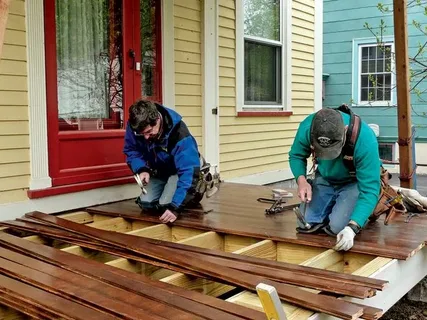
A wooden deck adds usable outdoor space to a home, providing room for family gatherings, outdoor furniture, and everyday relaxation. However, constant exposure to rain, sunlight, moisture, and seasonal temperature changes gradually affects its condition. In Riverhead, NY, homeowners may notice loose boards, fading finishes, damaged railings, or soft wood after years of outdoor use. These problems can affect appearance, comfort, and safety if left untreated.
Choosing professional wood deck repair helps homeowners address damage before it spreads to larger sections of the structure. Some decks need straightforward board replacement and surface restoration, while others require structural repairs involving joists, posts, or support connections. Identifying the underlying cause is essential because cosmetic improvements cannot correct weakened framing or ongoing moisture problems.
TrueLine Home Improvement provides residential exterior improvement services, including deck construction and renovation, for homeowners in Riverhead and surrounding Long Island communities. Understanding how wood deteriorates helps property owners decide when repairs are appropriate and when replacement deserves consideration.
A properly maintained deck should provide stable walking surfaces, secure railings, and dependable support. Regular inspections, suitable repair materials, and timely maintenance can help homeowners preserve their outdoor living areas.
Common Signs Your Wood Deck Needs Repair
Wooden decks experience continuous exposure to outdoor conditions. Rainwater can enter cracks and joints, while sunlight gradually wears down protective finishes. Over time, these conditions may contribute to splintering, loose fasteners, surface decay, and structural movement. Recognizing warning signs early helps homeowners address damage before it becomes more difficult to repair.
Identifying Damage Before It Becomes Serious
Homeowners considering reliable wood deck repair should inspect both the walking surface and supporting structure. A deck may appear acceptable from above while moisture damage develops around hidden connections or framing components.
Five warning signs deserve attention:
- Loose deck boards: Movement underfoot may indicate deteriorated fasteners or damaged wood.
- Soft or rotting areas: Moisture damage can weaken boards, posts, and structural framing.
- Unstable railings: Loose connections may create serious safety concerns.
- Rusting fasteners: Corrosion can reduce the strength of important connections.
- Uneven surfaces: Sagging or unusual movement may indicate structural problems.
Additionally, homeowners should inspect areas where the deck connects to the house. Water damage around ledger boards and flashing can affect the supporting structure.
A thorough assessment helps distinguish minor surface deterioration from conditions requiring professional structural repairs.
How Professional Wood Deck Repair Restores Structural Safety
Repairing a wooden deck involves more than replacing visible damaged boards. Contractors must determine whether the existing framing can safely support regular use. The condition of joists, beams, posts, footings, and connections influences which repairs are appropriate. Therefore, structural evaluation should come before surface refinishing.
Essential Steps in Residential Deck Repair
Expert wood deck repair begins with examining damaged areas and identifying their causes. For example, recurring board deterioration may result from trapped moisture, poor drainage, or inadequate ventilation beneath the structure.
Five practical repair steps include:
- Inspect structural components: Check joists, beams, posts, and connections for deterioration.
- Remove damaged materials: Replace unsuitable boards and weakened components where needed.
- Repair loose connections: Secure appropriate hardware and replace damaged fasteners.
- Correct moisture problems: Address drainage and ventilation conditions contributing to damage.
- Review finished repairs: Confirm that repaired sections meet applicable safety requirements.
Homeowners exploring deck repair and staining services should understand that surface finishing cannot restore the strength of damaged structural wood. Although staining improves appearance and moisture resistance, weakened supports require proper repair or replacement.
Professional assessment is especially important when a deck shows significant movement, unstable railings, or visible structural decay. Homeowners should avoid using unsafe sections until those problems have been evaluated.
Repairing Damaged Deck Boards and Surface Wear
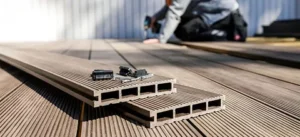
Deck boards often show the earliest signs of deterioration because they face direct sunlight, rain, and regular foot traffic. Small cracks, raised fasteners, splinters, and worn finishes may develop gradually. However, the appropriate repair method depends on whether the damage affects appearance, usability, or structural performance.
Choosing Between Board Repairs and Replacement
For homeowners considering professional deck restoration in Riverhead, NY, surface evaluation helps determine which materials can remain in place. Sound boards with minor weathering may benefit from cleaning and refinishing, while rotten or severely cracked boards usually need replacement.
Five important repair considerations include:
- Check whether damaged boards remain structurally sound.
- Replace deteriorated boards with compatible materials.
- Use fasteners suitable for exterior applications.
- Correct protruding nails or screws that create hazards.
- Inspect supporting joists before installing replacement boards.
Additionally, wood deck repair should address the conditions causing repeated deterioration. Replacing individual boards without resolving trapped moisture may allow similar damage to develop again.
Board replacement should also account for spacing and drainage. Proper gaps allow water to escape and accommodate normal wood movement during seasonal changes.
Understanding Deck Repair and Staining Requirements
Wooden decks need suitable surface protection because moisture and sunlight gradually affect exposed timber. Cleaning and staining can help maintain appearance and reduce moisture absorption. However, successful refinishing depends on surface condition, preparation, and the compatibility of the selected coating.
Preparing a Deck for Effective Staining
Reliable deck repair and staining starts with evaluating the existing finish and checking whether the wood is ready for treatment. Applying stain over damp, dirty, or deteriorated surfaces can produce uneven results and reduce coating performance.
Five preparation steps support better refinishing:
- Surface cleaning: Remove dirt, debris, algae, and deteriorated coating material.
- Wood inspection: Identify damaged boards requiring repairs before staining.
- Surface preparation: Sand rough areas where necessary and appropriate.
- Drying time: Allow wood to reach the moisture condition recommended by the coating manufacturer.
- Coating application: Apply a suitable exterior finish according to product instructions.
Homeowners should choose stains based on wood type, desired appearance, and maintenance expectations. Transparent finishes show more natural grain, while more opaque products provide different levels of color coverage.
Furthermore, staining should follow manufacturer temperature and weather requirements. Poor application conditions can affect drying and finish quality.
When Wood Deck Restoration Is Better Than Replacement
An aging deck does not always require complete reconstruction. If the supporting structure remains sound, targeted repairs and refinishing may restore function and appearance. However, widespread decay, significant structural movement, or failing foundations can make extensive replacement more practical.
Evaluating Repair Costs and Deck Condition
A careful inspection helps homeowners compare the scope and cost of repairs against replacement. The decision should consider structural safety, material condition, future maintenance, and intended deck use.
Five factors can guide this evaluation:
- Structural condition: Determine whether framing and footings remain dependable.
- Extent of damage: Compare isolated deterioration with widespread material failure.
- Repair expenses: Review labor, materials, and necessary structural corrections.
- Deck age: Consider existing wear and likely future maintenance needs.
- Long-term plans: Evaluate whether the current layout still meets household needs.
Homeowners considering affordable deck restoration in Rocky Point, NY should request a clear assessment before deciding between repairs and replacement.
Additionally, a deck restoration company should explain which existing components can remain and why others need replacement. Written estimates help homeowners understand the proposed work and compare options fairly.
Protecting Repaired Wood Decks From Future Damage
Repairing damaged areas improves a deck’s condition, but regular maintenance helps protect those improvements. Without cleaning and inspections, moisture buildup, loose hardware, and deteriorating finishes can gradually create new problems. A consistent maintenance routine helps homeowners identify concerns before they affect larger sections of the structure.
Practical Maintenance for Long-Term Deck Performance
After affordable wood deck repair, homeowners should follow maintenance practices suitable for their deck materials and exposure conditions. Seasonal inspections are especially useful after severe storms, winter freezing, or extended periods of wet weather.
Five maintenance habits can support long-term performance:
- Clean regularly: Remove leaves, dirt, and organic debris from boards and joints.
- Inspect connections: Check railings, stairs, fasteners, and visible structural components.
- Manage moisture: Keep drainage paths clear and avoid prolonged water accumulation.
- Maintain protective finishes: Reapply suitable coatings when product guidance and surface conditions require them.
- Address damage promptly: Repair loose boards and deteriorated components before problems spread.
Additionally, homeowners should avoid placing wet planters directly on wooden surfaces for extended periods. Raised supports can encourage airflow and reduce trapped moisture.
Harsh cleaning chemicals and excessive pressure washing may damage wood fibers. Therefore, cleaning methods should match the deck material and coating manufacturer’s recommendations.
Conclusion
A well-maintained wooden deck provides valuable outdoor space for relaxation, dining, and everyday household activities. However, exposure to moisture, sunlight, and changing temperatures gradually affects even properly constructed structures. Recognizing deterioration early helps homeowners make informed repair decisions and avoid unnecessary damage.
For Riverhead homeowners, deck maintenance should include regular inspections of boards, railings, fasteners, framing, and drainage conditions. Surface cleaning and staining can improve appearance, but structural damage requires appropriate repairs before cosmetic work begins.
Property owners seeking professional deck repair and staining in Rocky Point, NY should also consider the condition of supporting components before scheduling restoration. Addressing hidden moisture problems and weakened connections can help reduce recurring damage.
Repairing an existing deck may be practical when its foundation and framing remain structurally sound. However, extensive deterioration can make partial or complete replacement the safer and more economical long-term choice.
TrueLine Home Improvement provides residential deck construction and renovation services for homeowners in Riverhead and surrounding Long Island communities. Discussing deck conditions, repair priorities, material options, and maintenance expectations can help property owners make suitable improvement decisions.
A thoughtful repair plan should address both visible wear and underlying structural conditions. With proper maintenance and timely repairs, homeowners can continue using their outdoor spaces comfortably while protecting the condition of their wooden decks.
Frequently Asked Questions
How do I know if my wooden deck needs repair?
Loose boards, unstable railings, soft wood, rusted fasteners, and unusual movement may indicate damage. A professional inspection can identify structural concerns.
Can damaged deck boards be replaced without rebuilding the deck?
Yes. Individual boards can often be replaced when the supporting framing remains structurally sound and suitable for continued use.
How often should a wooden deck be stained?
Staining frequency depends on wood type, coating product, weather exposure, and surface condition. Follow manufacturer recommendations and inspect the finish regularly.
Is repairing an old wood deck cheaper than replacing it?
Minor repairs generally cost less than full replacement. However, extensive structural deterioration can make replacement more practical.
Can wood deck repairs be completed during winter?
Some structural repairs may be possible during winter. However, freezing conditions, moisture, and product temperature requirements can limit outdoor staining and finishing work.