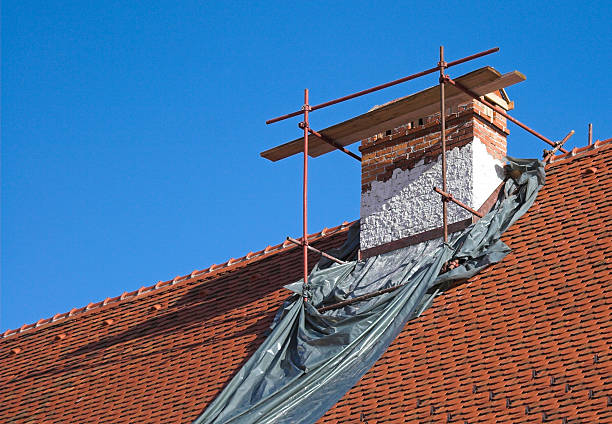
A chimney can appear structurally sound from the ground while hiding years of weather-related damage, moisture intrusion, and masonry deterioration. For many Stony Brook homeowners, the biggest challenge is deciding whether an aging chimney needs targeted repairs or whether the damage has progressed far enough to require a complete rebuild.
This decision is not always straightforward. Small cracks, deteriorated mortar joints, and minor water issues may be repairable when addressed early. However, ignoring warning signs can allow moisture to penetrate deeper into the chimney structure, creating more expensive problems over time.
At TrueLine Home Improvement Inc, we help homeowners evaluate chimney conditions and understand the difference between restoring damaged areas and replacing sections that no longer provide reliable protection. Professional Chimney masonry repair focuses on preserving the existing structure when possible while addressing issues that affect safety, durability, and long-term performance.
Before investing in major chimney work, homeowners should understand what causes masonry failure, which repairs provide lasting value, and when rebuilding becomes the more practical choice.
Why Stony Brook Chimneys Experience Masonry Problems Over Time
Chimneys in Stony Brook face a combination of environmental conditions that can gradually affect masonry performance. Seasonal temperature changes, coastal moisture, rainfall, and freeze-thaw cycles all place stress on brick, mortar, and surrounding components.
Masonry is durable, but it is not completely resistant to weather exposure. Over time, repeated cycles of moisture absorption and freezing temperatures can cause small weaknesses to expand.
Mortar joints are often among the first areas to deteriorate. Unlike brick, mortar is softer and more vulnerable to moisture penetration. As joints weaken, water can move deeper into the chimney structure and affect surrounding materials.
Coastal conditions can create additional challenges. Humidity and salt exposure may accelerate deterioration of exterior components, especially when existing damage allows moisture to enter.
Many chimney problems develop gradually. Homeowners may not notice anything unusual until visible cracks, loose bricks, staining, or interior moisture problems appear.
Understanding the causes of chimney deterioration helps homeowners make better decisions before minor issues become major structural concerns.
The Difference Between Chimney Repair and Full Rebuilding
The decision between repairing and rebuilding depends on the condition of the chimney, not simply its age.
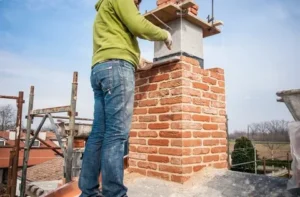
Chimney repair is generally focused on addressing specific damaged areas while preserving the existing structure. This may include replacing deteriorated mortar joints, repairing damaged brick sections, correcting minor cracks, or improving areas where moisture has entered.
A full rebuild involves removing and reconstructing a portion or the entire chimney structure. This approach is typically considered when damage affects structural stability or when repairs would only provide temporary results.
Several factors influence this decision:
- Extent of masonry deterioration
- Number of damaged areas
- Condition of mortar joints
- Presence of water intrusion
- Chimney stability
- Previous repair history
A chimney with isolated damage may not require complete reconstruction. However, a structure with widespread deterioration may continue experiencing problems even after multiple repair attempts.
The goal is to choose an approach that addresses the actual condition of the chimney rather than only treating visible symptoms.
Hidden Chimney Damage Homeowners Often Overlook
Many homeowners associate chimney problems only with obvious signs like missing bricks or large cracks. However, some of the most important warning signs develop in less noticeable areas.
One common issue is deteriorated mortar joints. As mortar breaks down, small openings allow water to enter the chimney system. Over time, this moisture can affect interior components and contribute to more extensive masonry damage.
Another overlooked problem is water staining inside the home. Marks on ceilings, walls, or areas near fireplaces may indicate that moisture is entering through the chimney exterior.
Homeowners should also pay attention to:
- Loose or crumbling bricks
- White powder-like deposits on masonry surfaces
- Rust around fireplace components
- Damaged flashing areas
- Unusual fireplace odors
These signs do not always mean the chimney requires rebuilding, but they indicate that professional evaluation may be needed.
Early detection gives homeowners more repair options and helps prevent avoidable structural deterioration.
How Moisture Accelerates Chimney Masonry Failure
Water is one of the biggest contributors to chimney deterioration. Because chimneys are exposed above the roofline, they experience direct contact with rain, snow, wind, and changing temperatures.
When masonry absorbs moisture, freezing temperatures can create additional stress. As water freezes inside small openings, it expands and places pressure on surrounding materials.
Over multiple seasons, this process can contribute to:
- Cracked bricks
- Weak mortar joints
- Surface deterioration
- Increased water penetration
The problem is often not one major weather event but years of repeated exposure without proper maintenance.
Water management plays a critical role in chimney longevity. Components such as chimney caps, crowns, flashing, and waterproofing systems help reduce moisture exposure when properly maintained.
A chimney should be evaluated as a complete system rather than only looking at the visible brick exterior.
Why Professional Chimney repair services in Stony Brook, NY Help Homeowners Make Better Decisions
Many homeowners struggle with chimney decisions because visible damage does not always reveal the full condition of the structure. A professional assessment helps determine whether repairs are practical or whether more extensive work is necessary.
Quality Chimney repair services in Stony Brook, NY focus on identifying the source of deterioration rather than only addressing surface-level damage.
A proper evaluation considers masonry condition, moisture entry points, structural concerns, and previous repair history. This allows homeowners to understand whether restoration can extend the chimney’s lifespan or whether rebuilding would provide better long-term value.
Making this decision without a proper inspection can lead to unnecessary expenses. Repairing a chimney that requires rebuilding may result in repeated costs, while rebuilding a chimney that only needs targeted repairs may create an unnecessary financial burden.
The right approach depends on the actual condition of the
Signs Your Chimney May Need Repair Instead of Complete Rebuilding
Not every damaged chimney requires a full reconstruction. In many cases, early intervention can restore the structure and extend its useful life. The challenge is identifying when the damage is still manageable and when it has progressed beyond practical repair.
Chimney repair is often appropriate when problems are limited to specific areas. For example, deteriorated mortar joints, a few damaged bricks, minor surface cracks, or localized water entry may be corrected without rebuilding the entire chimney.
Homeowners should pay attention to the pattern and severity of the damage. A small number of damaged sections usually presents a different situation than widespread deterioration throughout the chimney.
Signs that repair may be sufficient include:
- Limited cracks affecting only specific areas
- Mortar joints showing wear but remaining structurally stable
- Minor brick damage without significant movement
- Early signs of moisture entry
- A chimney that remains properly aligned
However, repairs should address the cause of the problem rather than only the visible damage. For example, replacing damaged mortar without correcting water entry points may allow the same issue to return.
A professional evaluation helps determine whether repair work can provide lasting protection or whether more extensive reconstruction should be considered.
When Full Chimney Rebuilding Becomes the Better Option
There are situations where continuing to repair an aging chimney may not provide the long-term results homeowners expect. When structural integrity is compromised, rebuilding may become the more practical approach.
A chimney rebuild is often considered when deterioration affects a large portion of the structure. Extensive brick damage, severe mortar failure, leaning sections, or repeated repair history can indicate that the existing masonry has reached the point where restoration may not be enough.
Another important factor is safety. A chimney that has unstable sections or significant movement may create risks beyond cosmetic concerns.
Homeowners should also consider the long-term financial impact. Multiple smaller repairs over several years can sometimes cost more than completing a properly planned rebuild.
A rebuilding decision should not be based only on the age of the chimney. Some older chimneys remain functional with proper maintenance, while newer structures may experience problems if they were exposed to moisture issues or installation concerns.
The condition of the masonry system matters more than the number of years it has been standing.
How Chimney Crown Repair Protects Masonry From Future Damage
The chimney crown plays an important role in directing water away from the masonry structure. When the crown develops cracks, deterioration, or improper drainage, water can enter areas that were designed to remain protected.
Many homeowners focus on visible brick damage while overlooking the components that contribute to chimney protection. A damaged crown can allow repeated moisture exposure, accelerating deterioration throughout the chimney.
Professional Chimney crown repair helps restore this protective barrier and reduce the amount of water reaching vulnerable masonry areas.
Addressing crown issues early can prevent larger problems because moisture is one of the primary causes of chimney deterioration. A properly maintained crown supports the overall performance of the chimney system.
For homeowners deciding between repair and rebuilding, evaluating the condition of the crown is an important step. In some cases, correcting water management issues may significantly improve the lifespan of an existing chimney.
Cost Factors Stony Brook Homeowners Should Consider Before Choosing a Repair Option
The cost difference between chimney repair and rebuilding depends on several factors. Homeowners should avoid making decisions based only on the initial price because the cheapest option may not always provide the best long-term value.
Repair costs are influenced by the amount of damaged masonry, accessibility, required materials, and whether additional issues such as water intrusion need attention.
A rebuild involves more extensive labor because sections of the chimney must be removed and reconstructed. The final investment depends on the size of the chimney, the extent of reconstruction, material choices, and project complexity.
Other factors that may influence cost include:
- Chimney height and roof access
- Existing structural conditions
- Required waterproofing improvements
- Replacement of damaged components
- Previous repair quality
Homeowners should also consider future maintenance expenses. A chimney requiring repeated repairs may become more costly over time compared with a properly completed rebuild.
A detailed evaluation provides a clearer understanding of what work is necessary and why.
Common Mistakes Homeowners Make When Addressing Chimney Problems
One of the biggest mistakes homeowners make is waiting until visible damage becomes severe. Masonry problems often develop slowly, and delaying maintenance allows moisture to create additional damage.
Another common mistake is focusing only on appearance. Fresh mortar or surface repairs may improve how a chimney looks, but they may not address underlying moisture problems.
Some homeowners also attempt temporary fixes without understanding the cause of deterioration. Covering cracks or sealing visible areas without evaluating the entire system can allow hidden issues to continue.
Other mistakes include:
- Ignoring small mortar cracks
- Delaying repairs after water stains appear
- Neglecting chimney inspections
- Failing to maintain chimney caps and crowns
A chimney is a functional part of the home, not just an exterior feature. Regular attention helps protect both the structure and the interior areas connected to it.
Protecting Chimney Masonry Before Winter Weather Arrives
Winter conditions can be especially challenging for damaged masonry because freezing temperatures increase the impact of moisture inside cracks and weakened joints.
Before cold weather arrives, homeowners should inspect their chimneys for visible damage and address concerns before repeated freeze-thaw cycles occur.
Important maintenance steps include evaluating:
- Brick condition
- Mortar joints
- Chimney crown performance
- Flashing areas
- Water entry points
Homeowners should also consider whether previous repairs are still performing properly. Older repairs may deteriorate over time, especially when exposed to coastal weather conditions.
Preparing before winter provides more flexibility because repairs can be planned before emergency conditions develop.
A proactive approach often helps preserve existing masonry and reduces the likelihood of larger structural problems.
Why Long-Term Chimney Maintenance Matters for Older Stony Brook Homes
Many homes in Stony Brook have experienced decades of seasonal weather exposure. While age alone does not determine chimney condition, older masonry systems often benefit from regular monitoring.
Maintenance is not only about fixing current damage. It is about preventing conditions that allow deterioration to continue.
Routine inspections can help identify developing problems before they affect larger portions of the chimney. This allows homeowners to make planned decisions instead of responding during urgent situations.
A well-maintained chimney can continue providing value for many years. The key is understanding its condition and addressing issues at the right time.
How Chimney waterproofing services in Ronkonkoma, NY Help Extend Masonry Lifespan
Although this article focuses on Stony Brook homeowners, many Long Island properties face similar challenges related to moisture exposure and seasonal weather changes. Communities such as Ronkonkoma also experience conditions where proper chimney protection plays an important role in maintaining exterior masonry.
Professional Chimney waterproofing services in Ronkonkoma, NY help reduce moisture absorption while allowing masonry materials to continue releasing trapped vapor naturally. This approach is different from simply applying a surface coating that may prevent proper airflow.
Waterproofing is most effective when combined with proper chimney maintenance. Before applying any protective treatment, the chimney should be evaluated for existing cracks, damaged mortar, crown issues, and other sources of water entry.
A waterproofing treatment may help protect:
- Brick surfaces from excessive moisture absorption
- Mortar joints from accelerated deterioration
- Chimney structures exposed to seasonal weather changes
- Older masonry systems requiring additional protection
However, waterproofing is not a replacement for necessary repairs. If a chimney already has structural damage, weakened masonry, or significant deterioration, those issues should be addressed first.
The goal is to reduce future moisture-related problems and support the long-term performance of a properly maintained chimney system.
Expert Recommendations for Choosing Between Repair and Rebuilding
Deciding between chimney repair and rebuilding requires looking beyond the visible damage. Homeowners should consider the complete condition of the chimney, including its structure, moisture exposure, previous repairs, and future maintenance needs.
A practical evaluation usually begins by asking a few important questions:
How extensive is the damage?
Localized problems may often be repaired, while widespread deterioration may indicate that rebuilding is a better option.
Has the chimney required repeated repairs?
A pattern of ongoing repairs may suggest that the underlying structure is continuing to fail.
Is moisture the main cause of deterioration?
If water entry has not been corrected, even new repairs may experience problems again.
How long do homeowners plan to stay in the property?
Long-term ownership goals can influence whether investing in rebuilding provides better value.
Homeowners should also avoid choosing the lowest-cost option without understanding what it includes. Quality materials, proper preparation, and experienced workmanship all influence how well chimney work performs over time.
The best decision is the one that addresses the actual condition of the chimney while supporting the home’s long-term protection.
Frequently Asked Questions
How do I know if my chimney needs repair or a complete rebuild?
The decision depends on the amount of damage, structural stability, and overall chimney condition. Minor cracks, damaged mortar joints, or isolated brick issues may often be repaired, while widespread deterioration or unstable sections may require rebuilding.
Can damaged mortar joints cause major chimney problems?
Yes. Mortar joints help hold masonry components together and protect against moisture entry. When mortar deteriorates, water can penetrate deeper into the chimney structure and contribute to larger issues.
How often should homeowners inspect their chimney masonry?
Many homeowners benefit from regular chimney evaluations, especially before winter. Properties exposed to coastal moisture, older homes, or chimneys with previous repairs may require closer monitoring.
Does chimney waterproofing prevent all future chimney damage?
No. Waterproofing helps reduce moisture absorption but does not correct structural problems, damaged masonry, or poor construction issues. Existing damage should be repaired before waterproofing is considered.
Is rebuilding always more expensive than repairing a chimney?
A rebuild typically requires a larger upfront investment because more work is involved. However, repeated repairs on a severely damaged chimney may cost more over time than completing a proper rebuild.
Can small chimney cracks wait until next year?
Small cracks should not automatically be ignored. Even minor openings can allow moisture into masonry, and freeze-thaw cycles can make existing damage worse. Early evaluation helps homeowners understand whether immediate repairs are needed.
Conclusion
For Stony Brook homeowners, deciding between chimney repair and full rebuilding requires understanding what is happening beyond the visible surface. A chimney with minor masonry issues may only need targeted repairs, while one with extensive deterioration may require a more complete approach.
Weather exposure, moisture intrusion, aging materials, and previous maintenance history all influence the right decision. Addressing problems early allows homeowners to explore more options and avoid situations where emergency repairs become necessary.
A properly evaluated chimney can continue protecting the home while maintaining its appearance and performance through changing seasons. Whether the right choice is Chimney masonry repair or a larger rebuilding project, making an informed decision helps homeowners protect their investment and prepare their property for the years ahead.