
Protect your Rocky Point home with reliable chimney repair that stands up to coastal weather. Learn what to check before damage gets worse.
A few loose bricks or a hairline crack may not seem urgent, yet those small signs often point to a larger problem developing inside the chimney. In coastal communities like Rocky Point, changing weather can speed up that damage. At Trueline Home Improvement, conversations with local homeowners often begin after they notice water stains, crumbling mortar, or pieces of masonry near the fireplace. Timely chimney repair helps protect not only the chimney itself but also the roof, attic, and interior of the home.
A chimney is exposed to every season without much shelter. Rain, snow, freezing temperatures, and summer heat all affect brick, mortar joints, flashing, and the flue. Taking care of minor issues early usually prevents much more expensive structural work later.
What Chimney Repair Really Includes
Many people think chimney work only involves replacing damaged bricks. In reality, a properly functioning chimney is a complete system made up of masonry, the flue liner, crown, flashing, smoke chamber, damper, and cap.
In Rocky Point, we’ve noticed that most homeowners pay attention to the exterior brickwork but rarely inspect the chimney crown or flashing until water appears inside the house.
Freeze-thaw cycles common on Long Island gradually expand tiny cracks in mortar joints. Once water enters those openings, cold temperatures cause the moisture to freeze and expand, making the damage worse over time.
Routine Top chimney sweep and cleaning in Rocky Point, NY also plays an important role in chimney health. Removing soot and creosote reduces fire hazards while giving technicians a clearer view of hidden defects that might otherwise remain unnoticed.
Some homeowners assume that sealing visible cracks with masonry caulk solves every issue. Surface repairs have their place, but they cannot correct deteriorated mortar deep inside the chimney structure or damaged flashing beneath the roofing materials.
The Real Challenge for Chimneys in Rocky Point
Rocky Point’s coastal location creates conditions that are especially hard on masonry. Salt carried by coastal air, strong seasonal winds, and frequent moisture exposure all contribute to gradual deterioration of mortar joints and brick faces.
A client in Rocky Point reached out after hearing small pieces of brick fall into the fireplace during the winter. They believed the chimney simply needed cleaning because it had worked without problems for years. During the inspection, deteriorated mortar joints and a cracked crown allowed water to enter the chimney system. Addressing those issues early prevented larger structural repairs that would have required rebuilding significant portions of the stack.
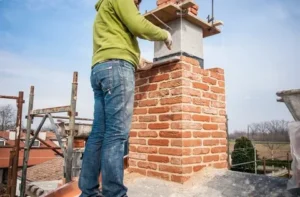
One concern many homeowners raise is whether every visible crack means the chimney must be rebuilt. The answer is usually no. Depending on the condition of the masonry and supporting structure, targeted Best chimney masonry repair in Rocky Point, NY may restore strength without replacing the entire chimney.
Another question many general articles avoid involves interior moisture. Water entering through the chimney can travel behind walls or insulation before becoming visible indoors. By the time stains appear on ceilings, the original entry point may have been leaking for months.
How Trueline Home Improvement Approaches Chimney Work
Every chimney ages differently depending on construction methods, exposure to weather, maintenance history, and previous repairs. Because of that, Trueline Home Improvement begins each project with a careful inspection rather than assuming every chimney requires the same solution.
One detail often overlooked in generic guides is the relationship between roof flashing and chimney performance. Flashing failures frequently allow water to enter even when the brickwork itself remains in good condition. Replacing flashing at the right time can prevent moisture from reaching roof decking and interior framing.
A proper fireplace chimney inspection in Rocky Point, NY also evaluates the flue liner, chimney crown, mortar joints, cap, smoke chamber, and surrounding roofing materials. Looking at only one visible issue may leave other developing problems undiscovered.
Another valuable step involves documenting existing conditions with photographs before work begins. Homeowners gain a clearer understanding of hidden defects, allowing them to make informed decisions instead of relying solely on verbal explanations. That level of transparency is something many broad online guides fail to discuss, yet it builds confidence throughout the repair process.
Practical Tips: What to Know Before You Decide
Working with clients in Rocky Point, our team found that homeowners often wait until they notice active leaks before scheduling an inspection. Unfortunately, water damage usually begins well before those signs appear indoors.
If you’re comparing repair estimates, consider asking these questions:
- Will the chimney crown be inspected for hidden cracks?
- Is flashing included if it needs replacement?
- Will damaged mortar be fully removed before repointing?
- Is the flue liner evaluated during the inspection?
- Will photographs document the chimney’s condition before and after repairs?
One local consideration is timing. Scheduling inspections during spring or early fall often allows repairs to be completed before winter freeze-thaw cycles place additional stress on weakened masonry.
If your chimney does not already have a properly fitted Best chimney cap installation , adding one can help keep rain, nesting animals, leaves, and debris out of the flue while improving overall chimney protection. It is one of the simplest upgrades that can prevent several common problems.
Routine maintenance also includes checking the crown, clearing debris from around the chimney, monitoring flashing after severe storms, and watching for white staining known as efflorescence. These small observations can reveal moisture problems before structural damage develops.
Keep Small Chimney Problems From Becoming Major Repairs
A chimney rarely fails overnight. Most problems begin with small cracks, worn mortar, or moisture that slowly works its way into the structure. Taking action early gives homeowners more repair options and often lowers overall costs. If you’re considering chimney repair in Rocky Point, Trueline Home Improvement can help evaluate your chimney’s condition and explain the most practical next steps for your home.
FAQ’s
How much does chimney repair usually cost in Rocky Point?
The cost depends on the type of damage, chimney height, accessibility, and whether repairs involve masonry, flashing, the crown, or the flue liner. Minor mortar repairs cost much less than rebuilding sections of a chimney, so an inspection is the best way to receive an accurate estimate.
How often should a chimney be inspected?
Most homeowners should schedule an inspection once each year, especially if they regularly use a fireplace or wood-burning stove. Annual inspections help identify cracks, moisture intrusion, creosote buildup, and structural issues before they become larger and more expensive repairs.
Do I always need a chimney sweep before repairs?
Not always. If heavy soot or creosote is present, cleaning may be recommended before repair work begins because it allows the technician to clearly inspect the chimney’s interior. A clean chimney also improves safety during the inspection process.
How can I tell if a chimney contractor is trustworthy?
Look for proper insurance, clear written estimates, recent local references, and detailed inspection findings. A reliable contractor should explain what was found, provide photographs when possible, and recommend repairs based on the chimney’s actual condition rather than using high-pressure sales tactics.
What are the signs that my chimney cap should be replaced?
Rust, loose mounting hardware, visible damage, animal entry, or water inside the firebox often point to a failing chimney cap. Replacing a damaged cap helps reduce moisture intrusion, keeps debris out of the flue, and protects the chimney throughout the year.