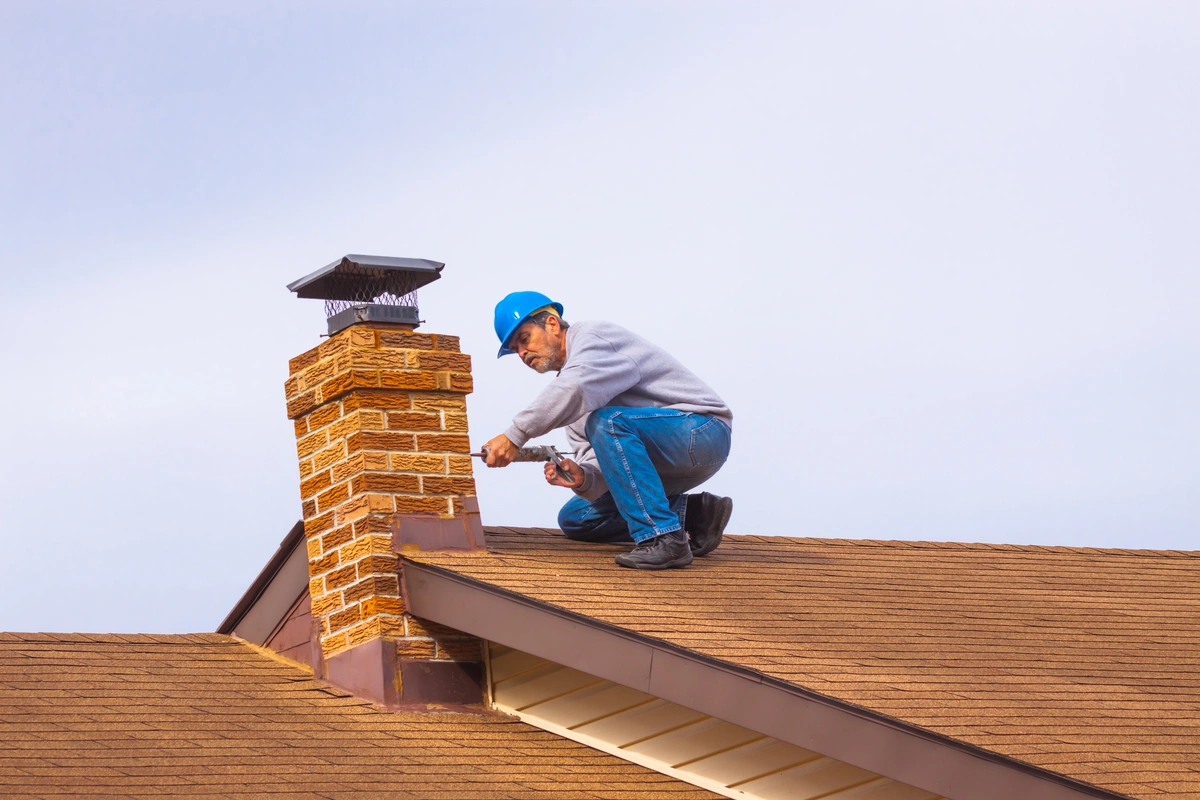
A chimney is exposed to weather throughout the year, making its brickwork, mortar, flashing, crown, and cap vulnerable to gradual deterioration. Small cracks or loose mortar may appear minor at first, but repeated exposure to rain, snow, moisture, and temperature changes can allow damage to spread. Professional chimney repair in Stony Brook, NY can help homeowners address these problems before they affect larger sections of the chimney or nearby roofing.
TrueLine Home Improvement Inc provides chimney repair services for homeowners dealing with damaged masonry, leaking chimney areas, deteriorated mortar, flashing concerns, and other exterior issues. A proper repair should begin by identifying where deterioration is occurring and determining which chimney components actually require attention.
Recognizing Early Signs of Chimney Deterioration
Some chimney problems are easy to see, while others develop gradually and may only become noticeable after moisture reaches the interior of the home.
Loose bricks, missing mortar, white staining, cracked masonry, damaged flashing, and pieces of brick around the roof or ground can indicate that the chimney exterior is deteriorating.
Homeowners may also notice ceiling stains, damp areas near the fireplace, or moisture in the attic after heavy rain.
Professional chimney masonry repair in Stony Brook, NY can help determine whether deterioration is limited to individual bricks and mortar joints or affects a larger portion of the chimney structure.
Restoring Damaged Brick and Mortar
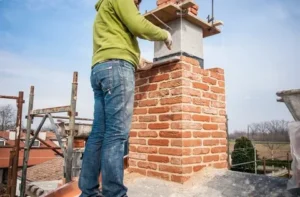
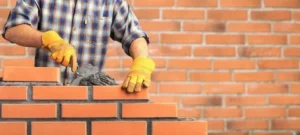
Brick and mortar work together to form the exterior structure of many residential chimneys. Although brick can be durable, mortar joints often begin showing deterioration as they age and remain exposed to changing weather.
Gaps in mortar can provide pathways for moisture to penetrate deeper into the chimney. Over time, this may contribute to additional deterioration around nearby bricks.
Repair work may include removing failing mortar and replacing it with new material, addressing cracked sections, or replacing individual bricks that are no longer in suitable condition.
When the bricks remain stable but the joints have deteriorated, repointing can help restore the connection between masonry units without rebuilding the entire chimney.
Finding the Real Source of Chimney Leaks
A water stain near a chimney does not always show exactly where the leak began. Water can enter at one location and travel along roofing materials, framing, or masonry before becoming visible inside.
Possible entry points include damaged flashing, open mortar joints, cracks in the crown, missing caps, deteriorated masonry, or gaps around the roof connection.
Professional chimney leak repair in Stony Brook should therefore focus on identifying the source rather than simply sealing the most obvious visible crack.
Examining both the chimney and surrounding roof area can provide a clearer understanding of where moisture is entering.
Addressing Flashing Around the Roofline
Flashing helps create a weather-resistant transition between the chimney and roof. Because two different exterior systems meet in this location, proper flashing condition is especially important.
Corroded, loose, cracked, or poorly sealed flashing can allow water to move beneath nearby roofing materials.
Homeowners may first notice staining on ceilings or damp materials in an attic rather than visible water outside.
Professional chimney repair contractors in Riverhead, NY may address flashing by repairing damaged areas, improving connections, or replacing deteriorated sections depending on existing conditions.
Careful work around the roofline can help reduce moisture entry without creating new problems for surrounding roofing materials.
When Individual Chimney Bricks Need Replacement
Not every damaged brick requires an entire chimney rebuild. Individual masonry units can sometimes be replaced when deterioration is limited to specific areas.
Cracks, loose sections, and spalling are common reasons a brick may need attention. Spalling occurs when the outer surface begins breaking, flaking, or separating.
Damaged bricks should be evaluated alongside nearby mortar because both materials may be affected by the same moisture exposure.
Replacing deteriorated sections can help restore a more stable exterior while reducing openings where additional water could enter.
Why Delaying Chimney Repairs Can Create Larger Problems
Chimney deterioration often becomes more extensive when damaged areas continue facing seasonal weather.
A small mortar opening can gradually widen, while moisture entering cracked masonry may affect additional brickwork. Problems around flashing can also allow water to reach roof decking, framing, insulation, or interior finishes.
Addressing visible deterioration earlier may help limit how much of the chimney requires repair.
Homeowners may find it particularly useful to inspect chimney conditions after strong storms or winter weather when existing cracks and weakened materials may become more noticeable.
Choosing a Chimney Repair Contractor
Homeowners searching for chimney repair contractors near me in Stony Brook, NY should look for a contractor who can evaluate both masonry deterioration and potential moisture-entry points.
Ask which parts of the chimney are damaged, how the source of the problem will be identified, and whether surrounding roofing components also need inspection.
A clear repair plan should explain why certain materials need restoration or replacement rather than recommending unnecessary work.
Understanding the condition of the chimney before repairs begin can help homeowners make better decisions about maintenance and restoration.
Conclusion
Chimney damage can develop gradually through exposure to moisture, temperature changes, and everyday weather conditions. Cracked bricks, failing mortar, damaged crowns, missing caps, and deteriorated flashing can all create openings where water may enter.
Homeowners needing chimney repair in Stony Brook, NY can contact TrueLine Home Improvement Inc for help evaluating masonry, leaks, flashing, crowns, caps, and other exterior chimney concerns. Addressing deterioration at an appropriate stage can help protect the chimney while reducing the likelihood that moisture spreads into nearby roofing or interior materials.
Frequently Asked Questions
Why does mortar fall out between chimney bricks?
Mortar can gradually deteriorate because of age, moisture exposure, temperature changes, and repeated weathering. Damaged joints should be evaluated before deterioration spreads.
How can I tell where a chimney leak is coming from?
The source may be flashing, the crown, masonry joints, damaged bricks, or the chimney cap. Because water can travel before becoming visible, professional inspection may be necessary.
Can individual damaged chimney bricks be replaced?
Yes. When deterioration is limited, individual cracked, loose, or heavily spalled bricks may sometimes be replaced without rebuilding the complete chimney.
Does a chimney cap help prevent water problems?
A properly fitted cap can help reduce direct rain entry while also limiting leaves, debris, and animals from entering through the chimney opening.
When should homeowners have chimney damage inspected?
Inspection should be considered when homeowners notice cracked masonry, loose mortar, water stains, damaged flashing, a deteriorated crown, loose bricks, or other visible changes around the chimney.