Your home’s exterior protects your property from changing weather while shaping its overall appearance. In Rocky Point, NY, homeowners must consider seasonal temperature changes, coastal moisture, wind, and occasional severe storms when maintaining their homes. Choosing the right exterior materials can help reduce maintenance needs and protect the structure for years. Reliable home siding offers several benefits, including improved curb appeal, better moisture management, and additional insulation when installed correctly.
However, selecting an exterior material requires more than comparing colors and prices. Homeowners should consider durability, maintenance requirements, ventilation, and compatibility with the existing structure. Vinyl, fiber cement, and other siding materials each offer different advantages. Therefore, understanding these differences helps you make a practical decision for your property.
Trueline Home Improvement can help homeowners understand their exterior improvement options and plan projects around their property’s needs. Before starting a renovation, inspect the existing exterior for loose panels, cracks, water stains, and other signs of damage. Furthermore, consider how sunlight, wind exposure, and nearby vegetation affect different areas of your home.
A well-planned project can improve both appearance and long-term performance. With suitable materials, proper installation, and regular maintenance, homeowners can protect their investment while creating an exterior that complements their property.
Why Quality Siding Matters for Homes in Rocky Point, NY
The exterior of your home serves as a protective barrier against moisture, wind, sunlight, and temperature changes. In Rocky Point, these conditions can affect exterior materials throughout the year. Therefore, homeowners should choose materials that suit the local climate and the condition of their existing walls.
Quality reliable siding can help protect exterior wall assemblies when installed with appropriate flashing, drainage, and moisture barriers. However, the material alone cannot prevent every water-related problem. Proper installation and regular inspections remain essential.
Another benefit involves appearance. Damaged, faded, or mismatched exterior panels can make an otherwise well-maintained home look neglected. Replacing worn materials can create a cleaner appearance and help maintain the property’s overall condition.
How Exterior Materials Protect Your Home
Different materials respond differently to environmental conditions. Vinyl offers a relatively low-maintenance option, while fiber cement provides another choice for homeowners seeking a durable exterior finish. Wood siding can create a traditional appearance, although it generally requires more regular maintenance.
Before choosing a material, consider these practical factors:
- Moisture resistance: Look for materials and installation methods that help manage water.
- Wind performance: Follow manufacturer specifications for fastening and wind exposure.
- Maintenance needs: Compare cleaning, painting, and repair requirements.
- Appearance: Select a color and finish that complements the home’s architecture.
- Long-term costs: Consider installation, maintenance, and potential repairs together.
Moreover, inspect the condition of the underlying wall before covering it with new materials. Existing leaks, damaged sheathing, and deteriorated framing require attention first.
Choosing the Right Siding Material for Your Property
Material selection affects your home’s appearance, maintenance schedule, and long-term costs. Although some products look similar from a distance, their performance and care requirements can differ significantly. Therefore, homeowners should compare several options before committing to a project.
A suitable material should match the property’s design, the local climate, and the owner’s maintenance preferences. Additionally, consider the condition of the existing exterior and whether the new material will require changes to trim, flashing, or other components.
Comparing Popular Exterior Options
When evaluating durable siding service, consider how each option performs under everyday conditions rather than focusing only on its initial price.
Vinyl siding comes in various colors, textures, and profiles. It generally requires little routine maintenance beyond cleaning and occasional inspections. However, severe impacts can crack panels, and extreme heat may cause deformation under certain conditions.
Fiber cement offers a different combination of appearance and durability. Depending on the product, it may resist common problems associated with moisture and insects. Nevertheless, installation requires proper handling, fastening, and clearance according to manufacturer instructions.
Wood siding provides a natural appearance that suits many traditional homes. However, it needs regular inspection and appropriate finishing to help prevent moisture-related deterioration.
Use these five practical checks when comparing materials:
- Compare the full installed cost rather than the material price alone.
- Review the manufacturer’s warranty and maintenance instructions.
- Check whether replacement panels will remain available.
- Confirm that the material suits your home’s wall construction.
- Ask how the installer will manage flashing, drainage, and ventilation.
Furthermore, request written estimates that explain material specifications and the scope of work. This makes it easier to compare proposals fairly.
Professional Installation and Timely Repairs
Even high-quality materials can perform poorly when installers overlook important construction details. For example, incorrect fastening can restrict panel movement or leave sections vulnerable to wind. Similarly, poorly installed flashing may allow water to reach areas behind the exterior covering.
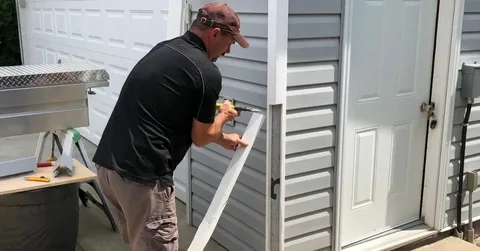
Professional siding installation should begin with a careful inspection of the existing exterior. The installer should identify damaged materials, evaluate the substrate, and determine whether repairs are necessary before installation begins.
What a Proper Installation Process Involves
A well-organized project follows a clear sequence. First, the installer assesses the walls, trim, windows, doors, and other areas where water could enter. Next, the team removes damaged materials as needed and checks the exposed surfaces.
The next stage involves preparing the wall assembly. Depending on the building, this may include repairing sheathing, installing appropriate water-resistive barriers, and fitting flashing around openings. These components help direct water away from vulnerable areas.
The exterior material can then be installed according to the manufacturer’s requirements. Proper clearances, fastening patterns, and expansion allowances matter because materials respond differently to temperature changes.
For homeowners comparing expert siding installation, these five practical points can help evaluate a contractor:
- Ask for a detailed written project estimate.
- Confirm the proposed material and product specifications.
- Discuss flashing and moisture-management methods.
- Request information about workmanship warranties.
- Agree on cleanup, inspections, and project completion standards.
Finally, review the completed work for loose panels, unfinished edges, and gaps around openings. Clear communication throughout the project can prevent misunderstandings and help maintain quality.
Recognizing Damage and Planning Timely Maintenance
Exterior materials experience normal wear over time. However, small defects can become more expensive problems when homeowners ignore them. Regular inspections help identify issues before they affect larger sections of the exterior.
Walk around your property at least twice a year, ideally during spring and fall. Also inspect the exterior after significant storms. Look for loose panels, cracks, unusual discoloration, and damaged trim around windows and doors.
Signs That Your Exterior Needs Attention
Cracked panels, warped sections, and missing pieces deserve prompt attention. These problems may expose underlying materials to wind and moisture. Likewise, peeling paint on wood siding can indicate that the protective finish needs maintenance.
Homeowners should also investigate persistent moisture stains, musty indoor odors, or deteriorating exterior caulking. These signs do not automatically confirm hidden water damage, but they justify further inspection.
When evaluating professional vinyl siding repair in Ronkonkoma , NY , focus on the cause of the damage as well as the visible defect. Replacing a cracked panel without addressing the reason it broke may lead to repeated repairs.
Use these five maintenance practices to support better exterior performance:
- Clean exterior surfaces using a method approved by the manufacturer.
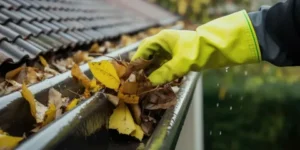
- Keep gutters and downspouts clear of debris.
- Trim plants that rub against the exterior walls.
- Inspect joints, flashing, and trim for visible problems.
- Arrange professional assessment when damage extends behind the panels.
Moreover, avoid sealing drainage openings or applying caulk indiscriminately. Many siding systems require specific gaps and drainage paths. Follow product instructions to prevent maintenance work from interfering with the wall assembly.
Improving Curb Appeal and Long-Term Exterior Value
Your home’s exterior contributes to its overall character and first impression. Faded colors, damaged trim, and inconsistent finishes can make a property appear older than it is. Conversely, a coordinated exterior can create a more attractive and well-maintained appearance.
However, appearance should not be the only consideration when planning an upgrade. The best results come from balancing design preferences with weather protection, maintenance requirements, and construction quality.
Practical Ways to Refresh Your Home’s Exterior
Color selection is a useful starting point. Neutral shades can complement many architectural styles, while darker accents may highlight windows, doors, or decorative trim. Before making a final decision, review product samples under different lighting conditions.
You should also consider the relationship between the siding, roof, gutters, and landscaping. Coordinated finishes can make the property look more consistent without requiring a complete exterior renovation.
These five practical improvements can help guide your planning:
- Choose colors that complement the roof and surrounding landscape.
- Replace damaged trim when completing larger exterior work.
- Compare traditional and modern panel profiles.
- Consider maintenance needs before selecting textured finishes.
- Address underlying moisture problems before cosmetic upgrades.
Additionally, think about how the selected material will look after several years of exposure. Some products require periodic painting, while others maintain their factory finish with routine cleaning.
A coordinated approach helps ensure that visual improvements support the building’s condition rather than conceal existing problems.
Conclusion
Maintaining your home’s exterior requires thoughtful material selection, careful installation, and consistent inspections. In Rocky Point, NY, changing temperatures, moisture, and coastal weather conditions make these considerations particularly relevant. Choosing suitable materials can improve curb appeal while helping protect the underlying structure.
Before beginning a project, inspect the current exterior and identify any signs of deterioration. Compare materials based on durability, maintenance, appearance, and total installation costs. Furthermore, make sure the proposed work includes appropriate flashing, drainage, and preparation of the existing wall assembly.
Timely repairs also play an important role in preventing minor defects from becoming larger concerns. Cracked panels, loose sections, and damaged trim deserve attention, especially when they appear near windows, doors, or other vulnerable areas. Regular cleaning and inspections can help homeowners recognize these issues earlier.
For homeowners considering reliable exterior home siding in Rocky Point, NY, selecting a suitable material and planning the work carefully can support lasting results. Property owners in Ronkonkoma, NY, can follow the same principles when evaluating exterior improvements. In both communities, the right solution depends on the home’s construction, exposure to the elements, and maintenance requirements.
Trueline Home Improvement can be a resource for homeowners exploring exterior improvement options and comparing project requirements. Ask questions about materials, installation methods, warranties, and maintenance before making a decision.
Ultimately, a successful exterior project should combine attractive design with practical protection. By focusing on preparation, workmanship, and ongoing care, homeowners can make informed choices that support their property’s appearance and condition for years to come.
FAQs
What siding material works well for homes in Rocky Point, NY?
Vinyl and fiber cement are common options. The right choice depends on your budget, architectural style, maintenance preferences, and exposure to local weather.
How often should homeowners inspect their siding?
Inspect the exterior at least twice a year and after major storms. Look for cracks, loose panels, damaged trim, and signs of moisture.
When should I consider replacing rather than repairing siding?
Replacement may make sense when damage affects large areas, panels are difficult to match, or underlying materials need extensive repairs. A professional inspection can help determine the scope.
Can damaged vinyl siding be repaired without replacing the entire exterior?
Yes. Individual panels can often be replaced when matching materials are available and the underlying wall remains in good condition.
Does new siding improve energy efficiency?
New siding alone does not guarantee better energy efficiency. Results depend on the insulation, air sealing, moisture barriers, and overall condition of the building envelope.