Basement moisture problems rarely begin inside the basement. In many Rocky Point homes, the first signs of water damage are connected to what happens outside the property. When rainwater is not properly collected and directed away from the foundation, small drainage issues can gradually create larger concerns.
Many homeowners notice the problem only after seeing damp walls, musty odors, peeling paint, or water marks inside their basement. By that point, the exterior drainage system may have been allowing excessive moisture around the foundation for months or even years.
At TrueLine Home Improvement Inc, we help homeowners understand how exterior components work together to protect their properties. A properly planned Gutter installation is not only about improving the appearance of a home; it plays an important role in controlling roof runoff and reducing unnecessary water exposure near the foundation.
Before assuming basement moisture is only an interior issue, homeowners should evaluate their gutters, downspouts, drainage patterns, and surrounding landscape. Identifying exterior problems early can help prevent more expensive repairs in the future.
Why Rocky Point Homes Experience More Basement Moisture Concerns
Homes in Rocky Point face seasonal weather changes that can place additional stress on drainage systems. Heavy rainfall, winter snow, melting ice, and coastal humidity all influence how water moves around a property.
When gutters are functioning correctly, they collect water from the roof and guide it through downspouts away from vulnerable areas. When the system fails, water may overflow near the home’s foundation and create repeated moisture exposure.
Over time, this can contribute to:
- Foundation dampness
- Basement leaks
- Mold-friendly conditions
- Soil erosion near the home
- Damage to exterior materials
The issue is often not caused by one major storm. Instead, repeated exposure from everyday rainfall can gradually affect the areas surrounding the foundation.
Many homeowners focus on waterproofing the basement after moisture appears, but preventing water from reaching the foundation is often the first step in reducing future problems.
The Connection Between Gutters and Basement Protection
A gutter system serves a much larger purpose than simply controlling where rainwater falls. It is part of the home’s overall water management system.
Without properly functioning gutters, roof runoff can collect directly beside the foundation. Because soil absorbs water over time, repeated saturation can increase pressure against basement walls.
This is especially important for homes with:
- Finished basements
- Older foundations
- Sloped properties
- Limited drainage areas
Even small gutter problems can create significant effects over time. A clogged section, damaged seam, or poorly positioned downspout may redirect hundreds of gallons of water toward areas that are not designed to handle constant moisture.
The goal of an effective gutter system is simple: collect water efficiently and move it safely away from the structure.
Common Gutter Mistakes Rocky Point Homeowners Notice Too Late
Many drainage problems develop because homeowners do not realize that their gutter system is underperforming. Since gutters are above eye level, issues often remain unnoticed until water begins affecting other parts of the property.
One common mistake is ignoring small leaks. A dripping gutter connection may seem minor, but repeated water release in the same location can saturate soil near the foundation.
Another overlooked problem is incorrect downspout placement. Even properly working gutters can create issues if water is discharged too close to basement walls or foundation areas.
Other common mistakes include:
- Allowing debris buildup to block water flow
- Ignoring sagging gutter sections
- Using damaged or undersized gutters
- Failing to inspect gutters after severe weather
- Delaying repairs after visible damage appears
These issues often become more noticeable during heavy rainfall because the system is forced to handle larger amounts of water.
Regular evaluation helps homeowners identify problems before they contribute to interior moisture concerns.
How Poor Gutter Design Creates Long-Term Drainage Issues
Not every gutter problem comes from damage. Sometimes the original design does not properly match the home’s drainage needs.
A gutter system should be designed based on roof size, water flow, property layout, and local weather conditions. A system that worked years ago may no longer perform effectively if the home has undergone changes or surrounding conditions have shifted.
For example, landscaping changes may alter how water moves around the property. New patios, walkways, or soil changes can affect drainage patterns and direct more water toward the foundation.
Roof runoff also varies depending on the size and slope of the roof. Larger roof areas may require a more effective gutter setup to manage rainfall efficiently.
A properly designed system reduces unnecessary stress on the home’s foundation and helps prevent recurring moisture issues.
Why Seamless gutter installation in Rocky Point, NY Helps Improve Water Control
Traditional sectional gutters often contain multiple connection points where leaks can develop over time. Each seam creates a potential weak area where water may escape and collect near the home.
Professional Seamless gutter installation in Rocky Point, NY provides a continuous gutter design with fewer joints, helping reduce common leakage points.
Seamless systems are especially valuable for homeowners who want a cleaner appearance and improved long-term performance. However, installation quality remains a major factor.
Proper measurements, correct slope, secure attachment, and effective downspout placement all influence how well the system manages rainfall.
A seamless gutter system is not simply about the gutter material itself. It is about creating a complete drainage approach that supports the protection of the home’s exterior and foundation.
Basement Moisture Warning Signs Linked to Gutter Problems
Many homeowners assume basement moisture issues always begin with foundation cracks or plumbing failures. While those problems can contribute, exterior drainage failures are often an overlooked cause.
When gutters are not directing water away from the home, the first signs may appear gradually. Homeowners may notice changes that seem unrelated to their gutter system but are actually connected to repeated moisture exposure around the foundation.
One common warning sign is a persistent musty smell in the basement. Even when visible water is not present, excess moisture can create conditions where odors develop.
Other signs homeowners should pay attention to include:
- Damp spots along basement walls
- White mineral deposits on concrete surfaces
- Peeling paint or damaged finishes
- Increased humidity indoors
- Mold growth in corners or storage areas
- Water pooling near the foundation after rainfall
These symptoms should not be ignored because they often indicate that water management around the property needs attention.
A basement moisture problem is easier to address when the source is identified early. Improving exterior drainage may help reduce the amount of water reaching the foundation and prevent repeated moisture exposure.
How Downspout Problems Increase Foundation Risks
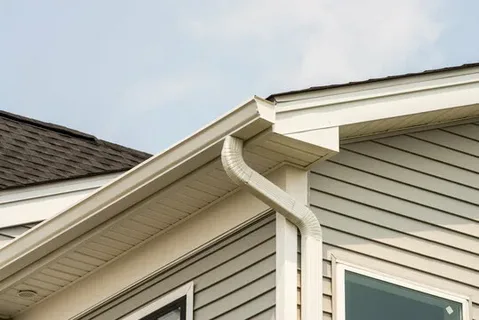
While gutters collect roof runoff, downspouts determine where that water goes. A properly functioning gutter system can still create problems if downspouts release water too close to the foundation.
One of the most common drainage mistakes is allowing downspouts to discharge directly beside basement walls. During heavy rain, large amounts of water can collect in the surrounding soil and increase moisture pressure around the foundation.
Downspouts can also become less effective when they are:
- Cracked or damaged
- Disconnected from the gutter system
- Blocked by debris
- Too short for the property layout
- Positioned toward low drainage areas
The location of water discharge matters because the goal is not simply removing water from the roof. The goal is moving that water safely away from the structure.
Homeowners should evaluate how water flows during and after rainfall. Areas where water consistently pools may indicate that the drainage system needs improvement.
Why Downspout repair services in Sag Harbor, NY Can Prevent Larger Water Issues
Although Rocky Point and Sag Harbor have different neighborhood characteristics, many Long Island homes experience similar drainage challenges caused by seasonal weather and moisture exposure.
Professional Downspout repair services in Sag Harbor, NY can help correct issues that prevent gutters from directing water away effectively.
A damaged downspout may seem like a small exterior problem, but its impact can extend to the foundation, basement, landscaping, and surrounding soil conditions.
Repairing or adjusting downspouts may involve correcting leaks, improving connections, extending discharge areas, or replacing damaged sections.
The important factor is ensuring that roof runoff has a controlled path away from the home. Without proper water direction, even a well-maintained gutter system may fail to protect the property effectively.
Addressing downspout concerns early can reduce unnecessary moisture exposure and help maintain better exterior drainage performance.
Cost Factors Homeowners Often Miss When Planning Gutter Improvements
Many homeowners estimate gutter project costs by looking only at the price of materials. However, several additional factors influence the overall investment required for a properly functioning drainage system.
The condition of the existing system is one important consideration. If old gutters have caused water damage, repairs may involve more than simple replacement.
The home’s design also affects project complexity. Larger roofs, multiple levels, difficult access areas, and unique architectural features may require additional planning.
Other factors that can influence costs include:
- Number of downspouts needed
- Existing drainage conditions
- Gutter size requirements
- Removal of old materials
- Additional drainage improvements
Homeowners should also consider long-term value rather than only upfront expenses. A properly designed gutter system can help reduce the risk of foundation moisture problems and avoid repeated repair costs.
Investing in the right system from the beginning often provides better protection than repeatedly fixing small failures.
How Gutter Guards Support Better Long-Term Maintenance
Debris buildup is one of the most common causes of gutter performance problems. Leaves, small branches, and organic material can block water movement and prevent gutters from working properly.
When gutters become clogged, rainwater may overflow along roof edges and collect near the foundation. This creates unnecessary moisture exposure and increases maintenance requirements.
Professional Gutter guard installation can help reduce the amount of debris entering the gutter system. While gutter guards do not eliminate all maintenance needs, they can make routine cleaning easier and improve water flow consistency.
They are especially useful for properties with nearby trees or areas where seasonal debris frequently collects.
A properly selected gutter guard system should match the home’s gutter design and local conditions. The wrong type of protection may still allow buildup or restrict water flow.
The goal is creating a balanced system that allows rainfall to move efficiently while reducing unnecessary maintenance challenges.
Seasonal Gutter Maintenance Before Heavy Rain and Winter Weather
Many gutter problems become noticeable during the most challenging weather conditions because that is when the system is under the most pressure.
Before periods of heavy rain or winter storms, homeowners should inspect their gutters and drainage components carefully.
Important maintenance steps include checking:
- Loose gutter sections
- Overflow areas
- Downspout connections
- Water pooling near the foundation
- Visible damage after storms
Homeowners should also examine areas where gutters connect with the roofline. Poor connections can allow water to move behind exterior materials and create additional moisture concerns.
Seasonal maintenance does not need to be complicated, but it should be consistent. Small inspections throughout the year can identify issues before they become expensive repairs.
A drainage system works best when problems are addressed before extreme weather exposes weaknesses.
Preventing Basement Moisture Through Better Exterior Water Management
Gutters are only one part of a home’s moisture protection system. They work together with grading, landscaping, roofing, and foundation drainage.
For example, even properly installed gutters may struggle if soil slopes toward the home and directs water back toward the foundation.
Homeowners should look at the property as a complete water management system. Each component influences how effectively rainwater moves away from the structure.
Improving drainage may include:
- Adjusting downspout discharge areas
- Maintaining proper soil grading
- Keeping exterior drains clear
- Monitoring water movement after storms
A proactive approach helps homeowners address the source of moisture rather than only treating the visible effects.
Expert Recommendations for Rocky Point Homeowners Before Moisture Problems Develop
Preventing basement moisture problems starts with understanding how exterior systems work together. Gutters, downspouts, roofing components, and foundation drainage all influence how effectively a home manages rainfall.
One of the most important recommendations for homeowners is to avoid waiting until water appears inside the basement. Exterior drainage problems often develop slowly, and early signs may only appear during heavy rainfall.
Homeowners should regularly evaluate whether water is moving away from the property as intended. After a storm, checking areas around the foundation can reveal pooling water, overflowing gutters, or drainage patterns that need attention.
It is also important to consider the age and condition of the current gutter system. Older gutters may continue functioning but may no longer provide the level of protection needed for changing weather conditions.
A professional evaluation can help identify whether the system needs minor repairs, improvements to water direction, or a complete upgrade.
The best drainage strategy is one that prevents problems before they affect the interior of the home.
Creating a Long-Term Exterior Maintenance Plan
A reliable gutter system requires ongoing attention. Even high-quality materials can experience performance issues when maintenance is ignored.
Homeowners should create a seasonal exterior maintenance routine that includes checking gutters, downspouts, roof edges, and drainage areas.
Spring and fall are especially important times to inspect the system because changing seasons often bring increased debris, rainfall, and temperature changes.
A good maintenance plan should include:
- Removing debris that blocks water flow
- Checking for loose or separated gutter sections
- Inspecting downspouts after storms
- Watching for foundation moisture signs
- Reviewing drainage patterns around the property
Regular maintenance allows homeowners to identify small concerns before they develop into larger problems.
A gutter system is designed to protect the home continuously, so keeping it in good condition supports better long-term performance.
Choosing the Right Gutter Improvements for Your Property
Not every home requires the same drainage approach. The right gutter improvements depend on factors such as roof size, surrounding landscape, property slope, and local weather exposure.
For some homeowners, replacing damaged sections may be enough. Others may benefit from upgrading the entire gutter system to improve water control.
Important considerations include:
- The amount of rainfall the system needs to manage
- Where downspouts discharge water
- Whether nearby trees create frequent debris buildup
- The condition of the home’s foundation drainage
Homeowners should avoid choosing upgrades based only on appearance. A visually attractive gutter system is not effective if it does not properly move water away from the structure.
A well-planned drainage system should provide both functionality and long-term protection.
Frequently Asked Questions
How do gutters contribute to basement moisture problems?
Gutters help control where rainwater flows after it leaves the roof. When gutters are damaged, clogged, or incorrectly positioned, water may collect near the foundation and increase the risk of basement moisture issues.
How often should Rocky Point homeowners inspect their gutters?
Most homeowners should inspect their gutters at least a few times each year, especially before heavy rain seasons and after major storms. Homes surrounded by trees may require more frequent checks.
Can new gutters prevent all basement leaks?
New gutters can reduce water-related risks by improving drainage, but they are only one part of a complete moisture management system. Foundation conditions, grading, and existing damage also influence basement protection.
Are seamless gutters better for coastal Long Island homes?
Seamless gutters can provide advantages because they have fewer joints where leaks may develop. However, proper sizing, installation, and maintenance are still essential for effective performance.
Do gutter guards eliminate the need for gutter cleaning?
No. Gutter guards can reduce debris buildup, but they do not remove all maintenance needs. Periodic inspections help ensure water continues flowing properly.
What signs indicate my gutters are not protecting my foundation?
Common signs include water pooling near the foundation, overflowing gutters during rain, basement dampness, soil erosion near downspouts, and visible gutter separation.
Conclusion
Basement moisture problems often begin with exterior drainage issues that homeowners do not notice until the damage becomes visible. In Rocky Point homes, seasonal weather conditions make effective water management especially important.
A properly functioning gutter system helps control roof runoff, protect foundations, and reduce unnecessary moisture exposure around the property. Addressing problems such as damaged gutters, poor downspout placement, or drainage failures before major weather events can prevent more complicated repairs later.
Whether homeowners need repairs, upgrades, or a complete drainage improvement plan, understanding how water moves around the home is the first step toward better protection. A well-maintained gutter system supports the overall health of the property and helps homeowners feel more prepared for every season.