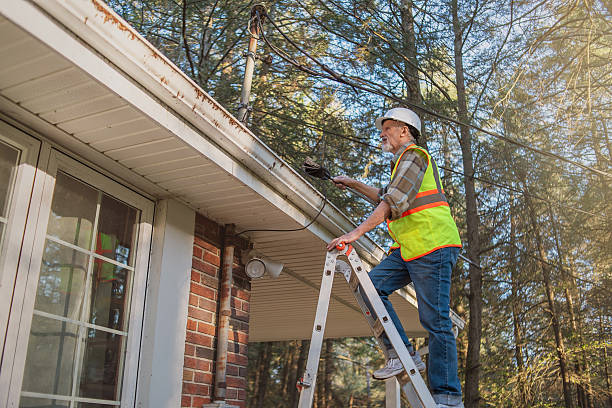
Rainwater may seem harmless, but poor drainage can gradually create problems around roofing, siding, landscaping, foundations, and exterior walkways. A properly designed gutter system collects water from the roof and directs it away from vulnerable areas of the property. Homeowners who invest in Reliable Gutter Services can reduce drainage problems while protecting exterior surfaces from unnecessary moisture exposure. For properties in Riverhead, NY and Sag Harbor, NY, maintaining gutters becomes especially important throughout changing Long Island seasons. TrueLine Home Improvement Inc provides gutter installation, repair, cleaning, and drainage solutions for homeowners who want dependable exterior protection.
Gutters perform a simple job, but several components must work together correctly. Downspouts need to discharge water in appropriate locations, gutter sections need the right pitch, connections should remain secure, and debris must not block water flow. Understanding these basics helps homeowners recognize problems early and decide when professional service is needed.
Why a Reliable Gutter System Matters
Every time it rains, water runs from the roof toward the edges of the home. Without functioning gutters, that water can fall directly beside walls, landscaping, walkways, or the foundation.
Controlling Roof Water Before It Causes Problems
Best Gutter Services help manage roof runoff and move it away from areas that should remain protected.
A properly functioning system can help:
- Direct rainwater away from the home
- Reduce soil erosion near the foundation
- Protect landscaping
- Limit staining on exterior walls
- Reduce water collecting near entrances
- Protect fascia and roof-edge areas
- Improve overall drainage around the property
Gutters should not simply collect water. They must also move it efficiently through downspouts and release it in locations where it can drain safely.
A system that looks fine from ground level may still have hidden problems such as improper pitch, loose connections, partial clogs, or damaged sections.
Routine observation and maintenance can help identify these concerns before they affect larger portions of the exterior.
Signs Your Gutters Need Professional Attention
Gutter problems often develop gradually. Homeowners may first notice small changes during heavy rain before more obvious damage appears.
Warning Signs Around the Roofline and Property
Pay attention to how water behaves when it rains. Water spilling from unexpected areas can provide useful clues about the condition of the system.
Common signs of gutter problems include:
- Water overflowing from gutter edges
- Sagging sections
- Loose fasteners
- Water leaking from joints
- Downspouts that drain slowly
- Stains on siding
- Soil washing away near the home
- Water pooling around exterior walls
- Plants or debris growing inside gutters
Overflow does not always mean that gutters need complete replacement. Leaves, twigs, roof debris, or blocked downspouts may simply be restricting water flow.
However, recurring overflow after cleaning may indicate a larger issue involving gutter size, pitch, alignment, or drainage design.
A professional inspection can identify the cause instead of treating only the visible symptom.
Seamless Gutter Installation in Riverhead, NY
Older gutter systems may develop repeated leaks where multiple sections connect. Seamless systems are designed to reduce the number of joints along longer gutter runs.
Seamless Gutter Installation in Riverhead, NY
Trusted Seamless Gutter Installation in Riverhead, NY can provide homeowners with a cleaner drainage system designed around the dimensions and roofline of the property.
Before installation begins, several details should be evaluated:
- Roof size
- Roof pitch
- Existing drainage patterns
- Downspout locations
- Landscaping
- Walkways and driveways
- Exterior wall conditions
- Areas where water currently collects
The gutter system must be positioned so water flows toward the downspouts instead of remaining inside individual sections.
Downspout placement is equally important. A well-installed gutter cannot perform correctly if water is discharged into an area where it immediately pools next to the property.
Planning the complete drainage path helps create a system that manages rainwater from the roof edge to the final discharge point.
Understanding Seamless and Sectional Gutters
Homeowners replacing older gutters may encounter both sectional and seamless options. Understanding the basic difference helps when discussing installation choices.
Choosing a System Based on the Property
Sectional gutters consist of multiple pieces connected together. Seamless gutters use longer continuous sections, which can reduce the number of joints along straight roof edges.
Fewer joints may help reduce potential leak points, although corners, downspouts, and other connections still require proper installation and maintenance.
When selecting a gutter system, consider:
- Roof configuration
- Home size
- Drainage requirements
- Exterior appearance
- Maintenance expectations
- Existing fascia condition
- Downspout needs
The right option depends on the home rather than a single solution being ideal for every property.
Professional measurements and drainage planning help ensure the gutter system matches the roof instead of simply replacing old material with similarly sized sections.
Why Gutter Pitch Is Important
Gutters may appear level when viewed from the ground, but they typically require a slight slope to help move water toward the downspouts.
Small Installation Details Affect Water Flow
If the pitch is incorrect, water may collect in low areas rather than flowing through the system.
Standing water can contribute to:
- Added weight
- Sagging
- Debris buildup
- Overflow
- Staining
- Faster wear at joints
A gutter that slopes too aggressively can also create problems because water may move too quickly toward one section or make the finished installation look uneven.
Accurate installation balances drainage performance with proper alignment along the roof edge.
Homeowners noticing water remaining inside gutters long after rainfall should consider having the system evaluated.
Gutter Cleaning Helps Maintain Drainage
Leaves, small branches, roofing debris, dirt, and other materials can gradually collect inside gutters. Once enough debris accumulates, water begins flowing more slowly.
Preventing Blockages Before Heavy Rain
Routine gutter cleaning removes material that prevents rainwater from reaching the downspouts.
Cleaning frequency depends on factors such as:
- Nearby trees
- Roof design
- Seasonal leaf fall
- Storm activity
- Previous clogging problems
Homes surrounded by mature trees may need attention more frequently than properties with limited vegetation.
Cleaning should also include checking downspouts. A gutter may look clear while a blockage farther down prevents proper drainage.
After debris is removed, water flow should be checked to identify areas where water remains or drains slowly.
Regular cleaning is one of the simplest ways homeowners can reduce unnecessary stress on an otherwise functional gutter system.
How Gutter Guards Can Help
Gutter guards are designed to reduce the amount of larger debris entering the gutter channel. They can be useful on properties where leaves repeatedly create maintenance problems.
Understanding What Gutter Guards Can and Cannot Do
Gutter guards may help reduce debris accumulation, but they do not make a drainage system completely maintenance-free.
Small particles, roof granules, seeds, and dirt can still reach certain systems over time.
When considering gutter guards, homeowners should evaluate:
- Nearby tree coverage
- Typical debris
- Existing gutter condition
- Roof configuration
- Cleaning accessibility
Installing guards on damaged, poorly pitched, or undersized gutters does not correct those underlying problems.
The existing drainage system should be evaluated first so guards support a properly functioning setup rather than covering issues that still need repair.
Rain Gutter Repair in Sag Harbor, NY
Not every gutter problem requires full replacement. Repairs may restore performance when damage affects only limited sections of the system.
Rain Gutter Repair in Sag Harbor, NY
Professional Rain Gutter Repairs in Sag Harbor, NY may be appropriate when homeowners notice leaks, loose connections, sagging sections, damaged downspouts, or localized drainage problems.
A repair evaluation may include checking:
- Gutter joints
- Hangers and fasteners
- Downspout connections
- End caps
- Pitch
- Fascia attachment
- Visible corrosion or damage
The goal should be to identify why the problem developed.
For example, repeatedly fastening a sagging section may not provide a long-term solution if damaged fascia or excessive standing water is causing the movement.
Similarly, sealing one leaking joint will not solve overflow caused by a blocked downspout.
Professional diagnosis allows repairs to address both the visible damage and its underlying cause.
When Gutter Replacement Makes More Sense
Repairs can be practical for isolated problems, but an aging or extensively damaged system may eventually require replacement.
Look at the Overall Condition of the System
Homeowners may consider replacement when they notice:
- Multiple leaking sections
- Frequent repairs
- Extensive corrosion
- Severe sagging
- Repeated separation from the roofline
- Widespread damage
- Poor drainage despite repairs
- A system that no longer matches roof runoff requirements
Replacing only one problem area may become inefficient when several other sections are nearing failure.
A professional evaluation can help homeowners compare the condition of the complete system before deciding between another repair and replacement.
This approach helps avoid spending repeatedly on sections that may continue developing problems.
Why Downspout Placement Is Important
Gutters collect water, but downspouts determine where that water ultimately goes.
Moving Water Away From Vulnerable Areas
Poor downspout placement can allow rainwater to collect around foundations, landscaping, walkways, or low areas near the home.
When evaluating downspouts, consider:
- Where water exits
- Ground slope
- Nearby planting beds
- Walkways
- Driveways
- Neighboring structures
- Areas that already experience pooling
Extensions or other drainage solutions may sometimes be needed to move water farther from the structure.
Homeowners should inspect discharge areas during heavy rainfall whenever it is safe to do so. Watching where the water travels can reveal drainage issues that are difficult to identify during dry weather.
Effective gutter performance requires managing water beyond the roof edge.
Protecting Fascia and Roof Edges
Gutters attach along areas of the roofline that may also include fascia boards and other exterior components.
Gutter Problems Can Affect Nearby Materials
When gutters overflow or pull away from the structure, water may repeatedly contact areas that are normally protected.
Homeowners may notice:
- Peeling paint
- Dark staining
- Soft or damaged wood
- Loose gutter attachments
- Water marks near the roof edge
These symptoms should be investigated rather than simply covered with paint or cosmetic repairs.
If the attachment surface is damaged, it may need attention before new gutters or replacement sections can be secured properly.
Evaluating surrounding materials during gutter work helps prevent installing a new drainage system onto a compromised surface.
Preparing Gutters for Seasonal Weather
Long Island homes experience different weather conditions throughout the year. Seasonal changes can introduce leaves, rain, snow, wind, and temperature fluctuations that affect exterior drainage systems.
A Simple Seasonal Gutter Checklist
Homeowners can periodically check gutters for:
- Visible debris
- Loose sections
- Blocked downspouts
- Damaged fasteners
- Water stains
- Overflow
- Unusual sagging
Fall is an especially useful time to monitor debris buildup near properties with trees.
After major storms, homeowners should also inspect visible gutter sections from the ground for obvious displacement or damage.
Regular checks do not replace professional maintenance, but they can help homeowners identify changes before they become major drainage problems.
Why Professional Gutter Installation Matters
A gutter system must fit the roof, drainage pattern, and exterior configuration of the property.
Installation Is More Than Attaching Gutters
Professional gutter work involves measuring, planning downspouts, establishing proper pitch, securing sections, and checking drainage.
A properly planned installation should consider:
- Roof runoff
- Property layout
- Gutter sizing
- Downspout capacity
- Attachment points
- Water discharge locations
TrueLine Home Improvement Inc provides gutter installation, repair, cleaning, gutter guards, and other exterior improvement services for Long Island properties.
Coordinating these details from the beginning helps homeowners avoid common problems such as standing water, repeated overflow, poorly located discharge, or sections that pull away under added weight.
Maintaining Your Gutter System After Service
Even professionally installed gutters need periodic attention. Simple maintenance can help preserve their performance and identify damage early.
Protecting Your Drainage System
Homeowners should:
- Remove debris as needed
- Keep downspout openings clear
- Watch for overflow during rain
- Check for loose sections
- Observe drainage around the property
- Address leaks promptly
- Inspect gutters after severe weather
It is also useful to pay attention to changes in landscaping or exterior construction.
New patios, walkways, planting beds, or grading changes can alter where downspout water travels. Drainage that worked well previously may need adjustment after the surrounding property changes.
A gutter system should continue directing water safely as the home and landscape evolve.
Conclusion
Gutters are a relatively simple part of a home, but they play an important role in managing rainwater and protecting exterior areas from repeated moisture exposure. Proper installation, routine cleaning, timely repairs, and carefully positioned downspouts all contribute to dependable drainage.
Homeowners should pay attention to overflow, sagging, leaks, staining, pooling water, and blocked downspouts rather than waiting for drainage problems to become more serious. In many cases, early maintenance or localized repairs can restore proper function without requiring complete replacement.
Whether you need Reliable Rain Gutter Repair in Sag Harbor, NY a professional evaluation can help identify the most practical solution for your property. With appropriate installation and regular maintenance, a well-designed gutter system can continue managing roof runoff and protecting your home’s exterior through changing Long Island weather.
FAQs
How do I know if my gutters need repair?
Overflowing water, leaks at joints, sagging sections, loose fasteners, staining, and water pooling near the home are common signs that a gutter system should be inspected.
What are seamless gutters?
Seamless gutters are formed in longer continuous sections, reducing the number of joints along straight gutter runs compared with traditional sectional systems.
How often should gutters be cleaned?
Cleaning frequency depends on nearby trees, roof conditions, weather, and debris buildup. Properties surrounded by trees may require more frequent cleaning.
Do gutter guards eliminate the need for cleaning?
No. Gutter guards can reduce larger debris entering the system, but small particles and other material may still accumulate and require occasional maintenance.
When should gutters be replaced instead of repaired?
Replacement may be worth considering when a system has widespread corrosion, repeated leaks, extensive sagging, multiple damaged sections, or ongoing drainage problems despite repairs.