Explore chimney repair in Sag Harbor, NY, including damaged bricks, aging mortar, chimney caps, leaks, and practical guidance for reliable home protection.
A damaged chimney can create problems that extend beyond the fireplace. Cracked bricks, deteriorating mortar, and water entering around the chimney can gradually affect the surrounding roofing materials and interior walls. For homeowners in Sag Harbor, NY, addressing these problems early helps protect the chimney’s structure and prevent avoidable deterioration. TrueLine Home Improvement Inc provides exterior home improvement services, including chimney restoration and masonry repairs, to help property owners maintain their homes.
Professional chimney repair involves more than covering visible cracks or replacing a few damaged bricks. The appropriate solution depends on the condition of the masonry, chimney crown, flashing, and other protective components. Some chimneys require localized repairs, while others may need more extensive restoration.
Understanding the common causes of chimney damage, available repair methods, and signs of deterioration can help homeowners make informed decisions before minor defects become larger structural or moisture-related problems.
Understanding Common Chimney Problems
Chimneys experience continuous exposure to outdoor conditions. Rainwater, temperature changes, and the natural aging of construction materials can contribute to deterioration.
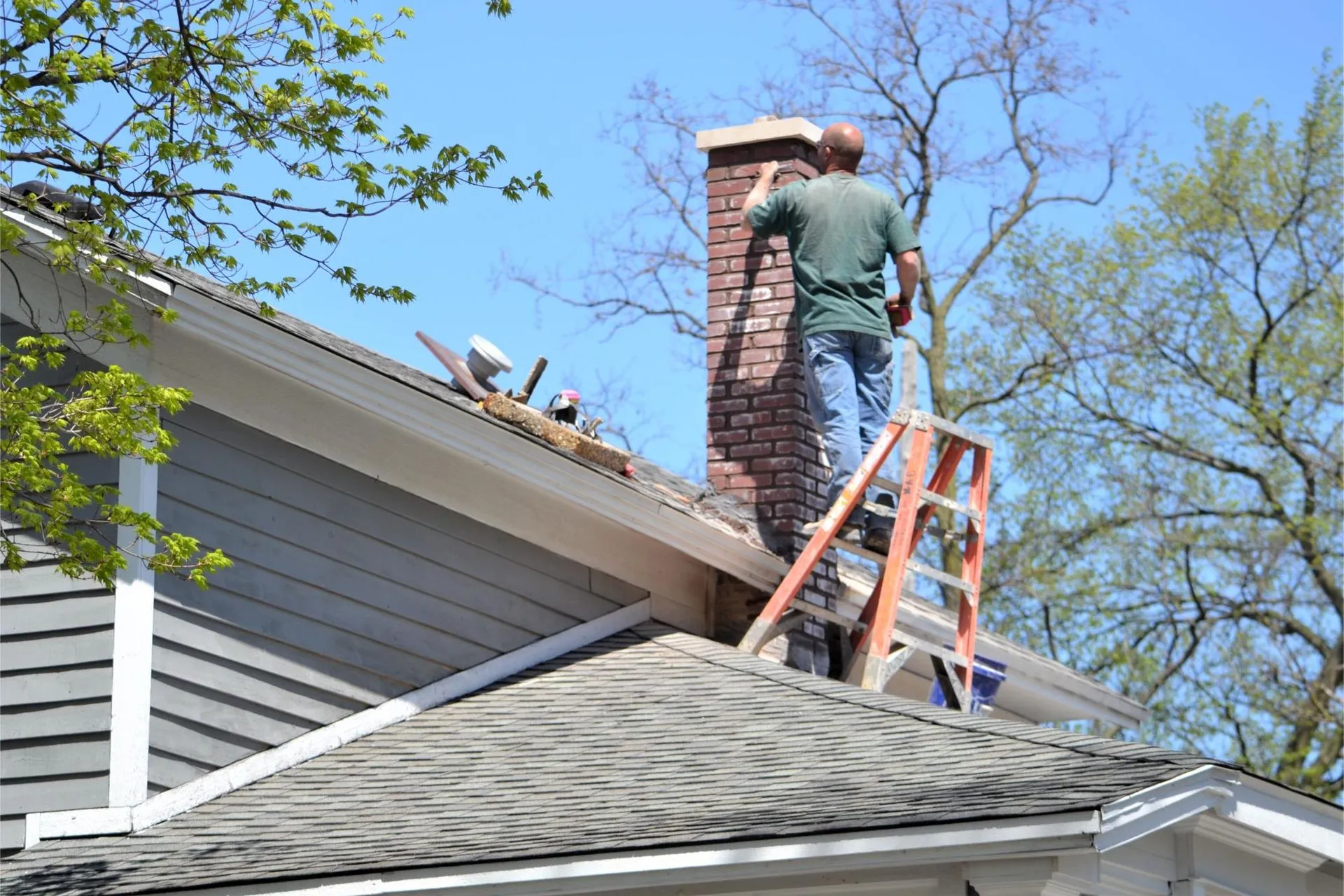
Professional Chimney services can address damaged masonry, weakened mortar, deteriorating crowns, and other exterior chimney components.
One common problem is water penetrating the brickwork through small openings. When mortar joints crack or lose material, moisture can reach areas that were previously protected.
Another issue involves damaged flashing, which is installed where the chimney intersects the roof. If this connection deteriorates, water can enter the roofing assembly and eventually appear as stains on nearby ceilings or walls.
Chimney crowns may also develop cracks. Because the crown helps direct rainwater away from the masonry, deterioration at the top can expose the structure to repeated moisture intrusion.
These problems do not always develop together. Identifying the specific cause is essential before deciding which repairs are necessary.
Signs Your Chimney May Need Professional Repair
Homeowners can often notice early signs of deterioration without climbing onto the roof.
Cracked or flaking bricks are among the most visible warning signs. When the outer surface of a brick breaks away, the underlying material can become more exposed to moisture.
Loose or crumbling mortar is another concern. Mortar joints connect individual bricks and help maintain the masonry assembly. Deterioration can increase the possibility of water penetration and further movement.
White powdery deposits on brick surfaces may indicate efflorescence, which occurs when moisture transports soluble salts through masonry. Although the residue itself is not always a serious defect, repeated deposits can suggest an ongoing moisture issue.
Interior warning signs include:
- Water stains on ceilings or walls near the chimney
- Dampness around the fireplace opening
- Rust on exposed fireplace components
- Unusual moisture-related odors
- Visible cracks or separation around the chimney structure
A leaning chimney or visibly displaced masonry requires prompt professional assessment because it may indicate structural instability.
Not every warning sign requires complete rebuilding. However, ignoring changes can allow damage to progress.
Chimney Masonry Repair and Brick Restoration
Masonry deterioration is one of the most common reasons homeowners seek chimney repairs.
Bricks and mortar work together to create the chimney’s exterior structure. When either component becomes damaged, the surrounding materials may experience additional stress or moisture exposure.
Chimney masonry repair can involve replacing individual deteriorated bricks, restoring weakened mortar joints, or rebuilding damaged sections.
For isolated brick damage, replacement may be appropriate when the surrounding masonry remains stable. The new brick should be compatible with the existing structure in terms of size, durability, and other relevant material properties.
Mortar deterioration requires a different approach.
Repointing involves removing deteriorated mortar from existing joints and installing suitable replacement material. The new mortar must be compatible with the original masonry because excessively hard or inappropriate mortar can contribute to damage in certain brick structures.
For homeowners considering chimney masonry repair and restoration in Sag Harbor, NY, the extent of deterioration should guide the repair scope.
A small area of damaged mortar may require localized attention, while widespread cracking or displaced masonry may justify a more detailed structural evaluation.
The goal is to correct the damaged areas while preserving sound materials whenever practical.
Why Chimney Crown Repair Matters
The chimney crown is a protective surface located at the top of many masonry chimneys.
Its primary function is to direct water away from the masonry below and reduce moisture entry around the flue opening.
Over time, crowns can develop cracks, surface deterioration, or drainage problems.
A damaged crown may allow rainwater to penetrate the upper chimney. This can contribute to weakening mortar joints and damaging brick surfaces.
Minor crown defects may be repairable when the underlying material remains stable. More extensive cracking or deterioration can require reconstruction.
The appropriate method depends on the crown’s construction, condition, and relationship to the flue.
Homeowners should avoid assuming that a waterproof coating will permanently correct every crown problem.
If the crown is structurally unsound or incorrectly constructed, surface treatment alone may not address the underlying issue.
A proper assessment helps determine whether repair, resurfacing, or replacement is appropriate.
Chimney Cap Installation and Its Benefits
A chimney cap is another component that helps protect the chimney system.
Unlike the crown, which covers the upper masonry, the cap generally protects the flue opening.
A properly selected chimney cap can help reduce rainwater entry and prevent certain animals, leaves, and debris from entering the flue.
Different chimney systems require different cap configurations.
The correct choice depends on the flue type, chimney dimensions, venting requirements, and any connected heating appliances.
A chimney cap should not restrict the proper operation of the venting system.
For this reason, chimney cap installation should account for the appliance or fireplace served by the chimney, rather than relying solely on exterior dimensions.
A cap may provide useful protection, but it does not replace necessary masonry repairs or correct defective flashing.
All protective components must function together to manage moisture effectively.
Preventing Water Leaks Around the Chimney
Water intrusion can originate from several locations, making chimney leak investigation an important part of exterior maintenance.
One vulnerable area is the connection between the chimney and roof.
Flashing components help direct rainwater away from the joint where these surfaces meet.
When flashing becomes loose, corroded, displaced, or incorrectly installed, water may enter the roofing assembly.
Chimney leaks can also result from deteriorated mortar, cracked crowns, or damaged masonry.
The location of an indoor water stain does not necessarily reveal the exact entry point.
Water can travel along construction materials before becoming visible.
A useful inspection should examine the chimney exterior and surrounding roofing details rather than immediately applying sealant to the nearest visible opening.
Temporary caulking may conceal a defect without correcting the water pathway.
Repairing the actual source of moisture is essential for reducing repeated damage.
Fireplace Chimney Inspection Before Repairs
A fireplace chimney inspection can help identify visible deterioration and determine whether additional evaluation is necessary.
The assessment may include the condition of the exterior masonry, crown, cap, flashing, and accessible chimney components.
If the chimney serves an active fireplace or heating appliance, the flue liner and venting system also require appropriate inspection by a qualified chimney professional.
An exterior masonry repair does not automatically establish that the chimney is safe for fireplace operation.
Homeowners should describe any unusual conditions they have noticed, including smoke entering the room, moisture around the fireplace, unusual odors, or visible masonry movement.
Photographs of recurring leaks or cracks can provide useful documentation.
Chimney sweep and cleaning may also be necessary for actively used fireplace systems, depending on soot, creosote, and other deposits.
However, cleaning and structural repair address different issues.
A chimney may need cleaning without masonry reconstruction, or it may have damaged exterior brickwork even when the flue appears relatively clean.
Understanding these distinctions helps homeowners request the appropriate work.
Choosing Between Chimney Repair and Rebuilding
Not every damaged chimney needs complete replacement.
Localized masonry repairs may be suitable when the structure remains stable and deterioration affects only a limited area.
Examples include isolated brick replacement, repointing damaged mortar joints, and repairing certain crown defects.
More extensive rebuilding may be considered when larger sections have deteriorated, masonry has shifted, or structural stability is compromised.
Partial rebuilding can sometimes address the exposed upper portion of a chimney while retaining stable masonry below.
Complete reconstruction involves a broader scope and may be necessary when the existing structure cannot safely remain.
The decision should consider the condition of the chimney, compatibility of existing materials, and any related roof or venting problems.
TrueLine Home Improvement Inc offers chimney rebuilding and restoration services, allowing homeowners to discuss the extent of visible damage and available exterior repair options.
A clearly defined inspection and repair plan is more useful than choosing a rebuilding project based on appearance alone.
Selecting Suitable Materials for Chimney Repairs
Material compatibility matters during chimney restoration.
Replacement bricks should be appropriate for the existing masonry and the environment in which they will be installed.
Mortar selection is especially important for older brick structures because different masonry materials respond differently to moisture and temperature changes.
Where flashing requires replacement, the selected metal and installation details should be appropriate for the roofing system and surrounding materials.
Water-repellent masonry treatments may sometimes help reduce rain absorption through suitable exterior surfaces.
However, these products should only be considered after necessary repairs have been addressed and their compatibility with the masonry has been evaluated.
A coating should never be treated as a substitute for replacing failed mortar or repairing structurally damaged bricks.
Homeowners should ask what materials are proposed, why they are suitable, and how they will integrate with the existing chimney.
These questions encourage clearer project planning.
Additional Chimney Maintenance Considerations for Nearby Homes
Chimney deterioration is not limited to one community.
Homeowners looking into chimney repair and exterior masonry services in Riverhead, NY may encounter similar problems involving damaged bricks, worn mortar, water entry, and deteriorated chimney components.
The appropriate repair method still depends on each property’s condition.
For example, one chimney may need targeted repointing, while another requires crown repair or replacement of damaged flashing.
The presence of an interior leak does not automatically mean the entire chimney needs rebuilding.
Owners should document visible damage, monitor changes, and request professional assessment when deterioration becomes apparent.
Recognizing these differences helps homeowners avoid unnecessary repairs while addressing problems that could worsen.
How to Prepare for a Chimney Repair Project
Before scheduling repairs, homeowners should gather relevant information about the chimney’s condition.
Photographs taken safely from the ground may help document visible cracks, missing mortar, or changes in the masonry.
If water enters the home, record where the moisture appears and whether it occurs during particular rainfall conditions.
When reviewing an estimate, ask which components require repair and which remain in satisfactory condition.
The proposal should explain whether the work includes brick replacement, repointing, crown repairs, flashing, or other relevant components.
It is also helpful to clarify access requirements, cleanup responsibilities, and whether additional damage may be discovered after work begins.
Any required local approvals should be confirmed before construction.
For actively used fireplaces or heating appliances, homeowners should understand whether a separate inspection of the venting system is necessary before use.
Clear communication about the repair scope can prevent misunderstandings and support better long-term maintenance.
Maintaining a Chimney After Restoration
Chimney maintenance should continue after damaged masonry has been repaired.
Homeowners can periodically inspect visible exterior surfaces from a safe location for new cracks, staining, loose masonry, or changes around the crown.
Drainage and flashing conditions deserve attention because recurring water intrusion can damage previously repaired materials.
For fireplaces and other active venting systems, regular professional inspections help identify deposits, obstructions, and operational concerns.
The appropriate inspection and cleaning schedule depends on the chimney system and how it is used.
Keeping photographs, repair descriptions, and material information can make future maintenance easier.
These records may also help identify whether a newly discovered problem affects a previously repaired section or a different component.
Consistent attention is more effective than waiting until visible deterioration becomes extensive.
Conclusion
Chimney damage can develop through weakened mortar, deteriorated bricks, cracked crowns, defective flashing, and other moisture-related problems. Addressing these conditions begins with identifying the source and determining which components actually require repair.
TrueLine Home Improvement Inc provides chimney restoration and masonry services to help homeowners evaluate exterior repair needs.
A careful inspection, suitable materials, and an appropriate repair plan can help preserve the chimney’s structure and reduce the likelihood of recurring moisture problems.
Frequently Asked Questions
1. What are the most common signs that a chimney needs repair?
Cracked bricks, deteriorating mortar, water stains, damaged flashing, and loose masonry are common warning signs. A professional inspection can help identify the cause and determine the necessary repairs.
2. Can a damaged chimney be repaired without rebuilding it?
Yes. Localized chimney repairs may be sufficient when the underlying structure remains stable. More extensive rebuilding may be necessary if masonry deterioration or structural movement affects larger sections.
3. What does chimney masonry repair include?
Chimney masonry repair may include replacing damaged bricks, repointing deteriorated mortar joints, and restoring affected masonry sections. The exact scope depends on the condition of the chimney.
4. Does chimney cap installation prevent water damage?
A suitable chimney cap can help reduce rainwater entry through the flue opening. However, it cannot correct damaged flashing, cracked crowns, or deteriorated masonry.
5. How often should a fireplace chimney be inspected?
Annual inspection is a sensible baseline for actively used fireplace systems. Additional inspections may be necessary when homeowners notice water intrusion, masonry deterioration, or unusual fireplace operation.
6. Is chimney repair necessary if only a few bricks are damaged?
A few damaged bricks do not always require extensive reconstruction, but they should be evaluated. Localized damage can sometimes be corrected through brick replacement and compatible mortar repairs before deterioration spreads.