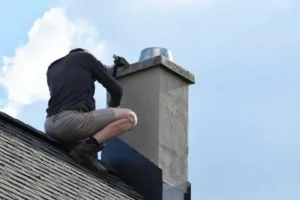
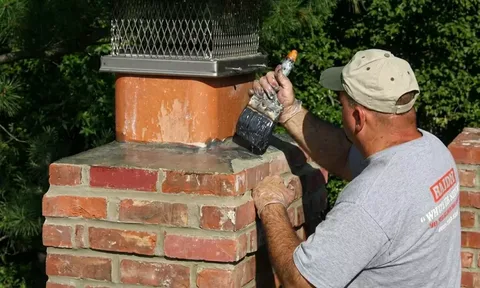
A chimney faces constant exposure to rain, wind, snow, and changing temperatures. Over time, these conditions can damage the concrete or mortar surface covering the top of a masonry chimney. In Sag Harbor, NY, coastal moisture and winter freezing make this protective surface especially important. Once cracks develop, water can reach the masonry below, leading to deteriorating mortar joints, damaged bricks, and moisture problems inside the home.
Homeowners considering reliable chimney crown repair should understand that the crown serves a different purpose from the chimney cap. While a cap helps keep rain and debris out of the flue opening, the crown protects the masonry surrounding it. Damage to either component can leave parts of the chimney vulnerable to weather exposure.
TrueLine Home Improvement provides residential chimney repair and exterior masonry services for homeowners in Sag Harbor and surrounding Long Island communities. Addressing crown deterioration before moisture spreads can help preserve the chimney’s structure and reduce the need for larger masonry repairs.
A damaged crown may not be visible from the ground, making professional inspections particularly valuable. Understanding the causes of cracking, appropriate repair methods, and signs of water penetration helps homeowners make informed maintenance decisions.
Why Chimney Crown Damage Should Never Be Ignored
The chimney crown forms a protective barrier across the top of a masonry chimney. Its surface should direct rainwater away from the bricks and mortar joints beneath it. When cracks or gaps interrupt this barrier, moisture can enter vulnerable areas and gradually weaken masonry materials.
How Crown Cracks Affect Chimney Masonry
Water entering small cracks may expand when temperatures fall below freezing. Repeated freezing and thawing can enlarge existing openings, causing further surface damage. Additionally, moisture may contribute to mortar deterioration and brick spalling, where the outer faces of bricks begin to break away.
Homeowners should pay attention to several warning signs:
- Visible cracks across the crown surface
- Loose or missing crown material
- White mineral deposits on chimney bricks
- Deteriorating mortar near the chimney top
- Water stains around nearby interior surfaces
However, interior stains do not automatically indicate crown damage. Flashing defects, roof leaks, and other moisture pathways can produce similar symptoms. A proper inspection helps identify the actual source before repairs begin.
How Professional Chimney Crown Repair Addresses Existing Damage
Chimney crown repairs depend on the extent of deterioration and the condition of surrounding masonry. Minor surface cracks may respond to suitable repair products, while severely damaged crowns may require partial or complete reconstruction. Choosing the correct method prevents homeowners from spending money on temporary surface treatments that cannot address deeper structural problems.
Evaluating Repair Methods and Crown Conditions
Expert chimney crown repair begins with examining the crown surface, its connection to the flue liner, and the supporting masonry. A qualified professional determines whether the existing crown can be repaired or needs replacement.
Common repair approaches include:
- Minor crack treatment: Apply compatible repair materials to suitable surface cracks.
- Surface restoration: Repair limited deterioration where the underlying crown remains sound.
- Crown reconstruction: Replace extensively damaged or poorly constructed sections.
- Flue joint detailing: Maintain appropriate separation and weather-resistant detailing around the liner.
- Water-shedding improvements: Correct unsuitable crown shapes that allow water to collect.
Homeowners exploring chimney repair and maintenance services should ask which repair method fits their chimney’s condition. Material compatibility, weather conditions, and proper curing all influence the quality of completed masonry work.
What Causes Chimney Crowns to Crack in Sag Harbor?
Chimney crowns can deteriorate for several reasons, including moisture exposure, construction defects, and normal material movement. Coastal weather may increase moisture exposure, but poor construction details can also cause problems on properties farther inland.
Construction Details That Influence Crown Durability
Homeowners considering professional chimney masonry repair in Sag Harbor, NY should pay attention to how the crown handles water. A properly designed crown generally extends beyond the chimney walls and directs runoff away from exposed brickwork.
Several conditions can increase the risk of damage:
- Flat crown surfaces that retain rainwater
- Inadequate overhang beyond the chimney walls
- Unsuitable mortar or concrete mixtures
- Poor detailing around flue liner openings
- Existing cracks that remain exposed to moisture
Furthermore, repeated temperature changes can stress rigid materials, particularly where different components expand at different rates. A crown built without appropriate movement allowances may develop cracks around the flue.
Repairing these weaknesses can be more effective than simply covering visible openings. The goal is to restore the crown’s protective function, not just improve its appearance.
Understanding Chimney Crowns, Caps, and Flashing
Chimney water problems often involve several components working together. The crown, cap, and flashing protect different parts of the structure, so identifying the damaged component matters before selecting a repair method.
How These Protective Components Work Together
The crown covers the top of a masonry chimney around its flue openings. A chimney cap typically sits above the flue to help limit rain entry, animal access, and debris accumulation. Flashing seals the connection between the chimney and the roof.
Each component requires a different approach:
- Crown: Inspect cracking, surface deterioration, and drainage.
- Cap: Check attachment, corrosion, and protective coverage.
- Flashing: Examine damaged metal, loose joints, and water entry points.
- Mortar joints: Look for separation, erosion, and missing material.
- Flue liner: Check visible defects and arrange further inspection when necessary.
For example, reliable chimney flashing repair addresses roof-level water entry rather than crown deterioration. Meanwhile, a damaged cap may allow rain to enter directly through the flue.
A complete evaluation helps homeowners avoid unnecessary repairs while ensuring that related defects receive attention.
When Crown Repair Is Better Than Complete Replacement
Not every damaged chimney crown requires reconstruction. The decision depends on crack severity, material condition, original construction, and whether the supporting masonry remains stable. A properly diagnosed problem can help homeowners choose an appropriate repair without replacing sound materials unnecessarily.
Comparing Minor Repairs With Crown Reconstruction
Affordable chimney crown repair may be practical when deterioration affects limited areas and the crown remains structurally sound. However, extensive cracking, loose material, and recurring water infiltration may indicate that replacement offers a more suitable long-term solution.
Homeowners should consider these factors:
- The width and depth of existing cracks
- Whether the crown remains firmly attached
- The condition of surrounding bricks and mortar
- Previous repairs and recurring moisture problems
- The original crown’s slope and overhang
Additionally, repair estimates should identify materials, preparation requirements, and the proposed scope of work. A low-cost surface coating may not provide lasting protection if the underlying crown is already deteriorating.
Complete replacement may involve removing damaged material and constructing a new crown using appropriate masonry methods. The finished work must accommodate the flue and manage runoff effectively.
Protecting Chimney Crowns From Recurring Moisture Damage
Once repairs are complete, ongoing inspections can help identify new deterioration before water causes significant masonry damage. Chimneys remain exposed throughout the year, including periods when fireplaces are not in use. Therefore, exterior maintenance deserves attention even when the heating system appears to operate normally.
Practical Chimney Maintenance for Coastal Homes
Following professional chimney crown repair, homeowners should monitor the chimney’s visible condition and arrange appropriate inspections. Maintenance should focus on moisture control, masonry deterioration, and the condition of connected protective components.
Useful preventive measures include:
- Schedule regular professional chimney inspections.
- Check for visible cracks after severe weather.
- Keep suitable chimney caps securely installed.
- Investigate new water stains promptly.
- Repair deteriorated mortar before moisture spreads.
Additionally, chimney waterproofing services may help protect suitable masonry surfaces when professionals use compatible, vapor-permeable products. However, waterproofing should not substitute for repairing cracked crowns or defective flashing.
Homeowners should avoid climbing onto roofs to inspect difficult-to-reach chimney areas. Qualified professionals have the equipment needed to examine elevated masonry and identify conditions requiring repair.
Conclusion
Chimney crown deterioration can begin with small cracks but develop into more extensive masonry damage when water repeatedly enters vulnerable areas. A properly functioning crown helps direct moisture away from the chimney walls and protects the materials beneath it.
In Sag Harbor, coastal exposure and seasonal temperature changes make timely maintenance especially valuable. Homeowners should address visible deterioration, investigate unexplained water stains, and avoid relying on temporary repairs when the underlying material is damaged.
For nearby property owners, reliable chimney inspection services in Riverhead, NY can help identify crown defects, deteriorating mortar, flashing problems, and other potential sources of water entry.
The appropriate repair depends on the chimney’s condition. Minor cracks may require compatible repair materials, while extensive damage can call for crown reconstruction. Understanding these differences helps homeowners compare repair recommendations and make practical decisions.
TrueLine Home Improvement provides chimney repair and masonry services for residential properties in Sag Harbor and surrounding Long Island communities. A careful assessment of the crown and connected chimney components can help determine which repairs are necessary.
Protecting the chimney from recurring moisture exposure supports masonry durability and helps homeowners avoid preventable deterioration. Regular inspections and appropriate repairs remain essential parts of responsible chimney maintenance.
Frequently Asked Questions
What is the purpose of a chimney crown?
A chimney crown covers the top of a masonry chimney around the flue openings. It directs rainwater away from the bricks and mortar below.
Can a cracked chimney crown cause water leaks?
Yes. Cracks can allow moisture to enter the chimney masonry. However, flashing, caps, and other defects may also cause leaks.
Can a chimney crown be repaired without replacing it?
Yes. Minor damage may be repairable with compatible materials. Extensive deterioration or construction defects may require replacement.
How often should a chimney crown be inspected?
Arrange a professional chimney inspection at least annually. Additional checks may be appropriate after severe storms or visible damage.
Is a chimney crown the same as a chimney cap?
No. The crown protects the masonry at the chimney top, while a cap covers the flue opening to limit rain, animals, and debris.