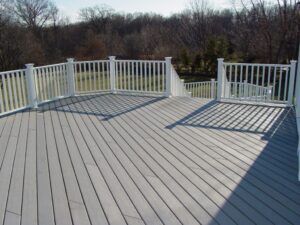
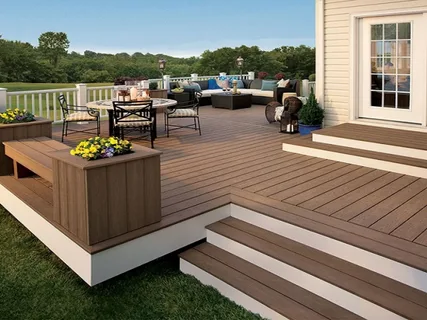
Explore composite decking in Sag Harbor, NY, including board choices, installation details, surface comfort, cleaning, and practical long-term deck upkeep.
Homeowners often choose composite decking because they want an attractive outdoor surface without the frequent refinishing associated with many traditional wood decks. However, selecting composite materials involves more than finding a preferred color. Board construction, surface texture, fastening methods, ventilation, and the condition of the supporting structure all affect the completed installation.
For homeowners planning composite decking in Sag Harbor, NY, these details are particularly useful when replacing an existing outdoor deck or building a new area for relaxing and entertaining. Different composite products offer different characteristics, and choosing the appropriate material requires considering how the space will be used.
TrueLine Home Improvement Inc provides custom deck construction, composite deck installation, and renovation services for residential properties. A properly planned installation should account for the manufacturer’s requirements, the home’s exterior layout, and the homeowner’s maintenance preferences.
Understanding how composite boards perform and what they require during installation helps property owners compare their options and avoid unrealistic expectations about long-term care.
Understanding Composite Decking Materials
Composite decking is manufactured using combinations of engineered materials, often including wood fibers and plastic-based components. The exact composition varies between manufacturers and product lines.
Professional Decks services can help homeowners evaluate composite materials, determine whether an existing structure is suitable, and plan the installation details.
Some composite boards feature an exterior protective layer designed to help resist staining, fading, and moisture exposure. Other products have different surface constructions and maintenance characteristics.
These differences make product-specific comparisons important.
Homeowners should examine how a particular board is intended to perform under outdoor conditions rather than assuming all composite materials offer identical benefits.
Board thickness, profile, surface finish, and approved fastening methods can also affect installation.
An attractive sample is useful for evaluating appearance, but technical specifications should guide decisions about structural compatibility and installation requirements.
Why Homeowners Consider Composite Deck Installation
One of the main reasons homeowners select composite decking is to reduce certain maintenance tasks associated with natural wood.
Many composite boards do not require routine staining or sealing in the same way as unfinished or conventionally finished wood decking.
This can be appealing for homeowners who prefer spending time outdoors rather than regularly maintaining the deck surface.
Composite products also provide a range of manufactured colors and textures, allowing homeowners to choose a consistent appearance.
However, these materials are not entirely maintenance-free.
Surface cleaning, debris removal, and inspection of the surrounding structure remain necessary.
Some products may show scratches, stains, color changes, or surface wear depending on use and exposure.
Understanding both the advantages and limitations allows homeowners to select a product that matches their expectations.
Comparing Capped and Uncapped Composite Boards
Composite decking products can differ significantly in their exterior construction.
Capped composite boards typically include a protective outer layer intended to improve resistance to certain forms of staining, moisture exposure, and surface wear.
Uncapped products have different surface characteristics and may require greater attention to their maintenance recommendations.
The presence of a cap does not mean a board is immune to all damage.
Furniture movement, abrasive debris, unsuitable cleaning methods, and prolonged exposure to certain substances can still affect the surface.
Homeowners should review the manufacturer’s product information rather than relying only on broad descriptions such as weather-resistant or low-maintenance.
The board profile also matters.
Some products have solid profiles, while others use grooved or engineered configurations designed for particular fastening systems.
The appropriate choice depends on the application, framing layout, and installation requirements.
A product that works well on one deck configuration may not be suitable for every project.
Selecting Composite Deck Colors and Textures
The appearance of composite decking should complement the home’s exterior finishes and the surrounding landscape.
Manufacturers offer a variety of colors, including natural wood-inspired tones, gray finishes, and darker contemporary shades.
Surface textures also vary.
Some boards feature visible grain patterns, while others have smoother or more uniform finishes.
Homeowners should examine physical samples whenever possible because photographs may not accurately represent color, texture, or surface variation.
It is helpful to compare samples near the home’s siding, trim, and exterior doors.
Consider how the boards look in both direct sunlight and shade.
A darker surface may create a strong visual contrast with the house, but it can also absorb more heat under certain conditions.
A lighter finish may provide a different appearance while showing particular types of dirt or staining more readily.
Material selection should balance aesthetics with practical use rather than relying on appearance alone.
Surface Temperature and Outdoor Comfort
Surface temperature is an important consideration when choosing composite decking.
Some composite boards can become noticeably warm when exposed to direct sunlight, particularly darker products.
The exact temperature depends on the board’s composition, color, surrounding conditions, and the amount of sun exposure.
Homeowners who frequently walk barefoot or have children using the deck should consider this characteristic during material selection.
Certain manufacturers offer products designed to reduce surface heat buildup compared with other boards, but their performance should be evaluated using product-specific information.
Shade can also influence comfort.
Pergolas, suitable awnings, nearby trees, or carefully positioned outdoor furniture may help reduce direct exposure in selected areas.
These features should be planned with attention to structural support and appropriate installation.
A comfortable deck requires coordination between material selection, layout, and the property’s actual exposure conditions.
Why Proper Deck Framing Matters
Composite decking needs suitable structural support just as traditional wood decking does.
The joist spacing, framing configuration, and fastening methods must follow the requirements for the selected product.
Some composite boards require different support spacing depending on whether they are installed perpendicular or diagonally to the joists.
Stair applications may also involve specific installation requirements.
When composite decking is installed over an existing wood frame, the framing should be evaluated for decay, movement, inadequate support, and other defects.
New surface boards cannot correct an unstable underlying structure.
The framing should also provide appropriate conditions for drainage and ventilation.
Homeowners considering composite decking installation in Sag Harbor, NY should therefore evaluate the supporting structure before finalizing the surface material.
This is especially important when replacing older decking without reconstructing the entire deck.
Understanding Hidden Fastening Systems
Many composite decking systems support specialized fastening methods.
Hidden fasteners can create a surface with fewer visible screw heads, contributing to a cleaner finished appearance.
However, not every board supports the same fastening system.
Certain products use grooved edges, proprietary clips, or other manufacturer-approved components.
Fastener placement and spacing must account for the board’s movement characteristics and installation requirements.
Improper fastening can contribute to visible defects, unwanted movement, or damage to the decking.
Traditional surface fastening may also be appropriate for particular products or installation details.
The chosen method should match the selected decking system.
Homeowners should ask which fasteners will be used and whether they are compatible with the boards, framing, and anticipated exposure conditions.
The fastening system is a functional construction decision rather than simply a decorative preference.
Allowing for Expansion and Contraction
Composite decking materials can respond to temperature changes by expanding and contracting.
The extent of movement varies according to the product’s composition and dimensions.
Manufacturers typically provide installation guidance covering board spacing, end gaps, and clearance around fixed structures.
These requirements are important because insufficient spacing can contribute to problems as the material moves.
Excessive or inconsistent gaps may also affect appearance and usability.
Installers must account for the conditions during installation and the product’s specified requirements.
Homeowners should understand that proper spacing is an intentional part of the installation rather than necessarily a sign of poor workmanship.
Following the manufacturer’s instructions helps the boards function as intended throughout seasonal temperature changes.
Drainage and Ventilation Beneath Composite Decking
A composite surface should be designed to allow appropriate drainage.
Rainwater and cleaning water need a suitable route away from the deck and surrounding building materials.
Board spacing, structural clearance, and ventilation influence how moisture moves through the assembly.
Although many composite products resist certain moisture-related problems, the supporting framing may still contain wood or other materials that require protection.
Persistent moisture beneath a deck can contribute to deterioration of susceptible components.
Leaves and debris can also accumulate between boards or around supporting members.
For attached decks, appropriate flashing helps manage water at the connection with the house.
A poorly detailed connection can allow moisture to affect nearby wall or floor materials regardless of the decking surface selected.
Proper water management remains necessary even when a lower-maintenance product is used.
Selecting Compatible Railings and Finishing Details
Composite decking can be combined with different railing systems depending on the design and structural requirements.
Some homeowners prefer railings that coordinate closely with the decking color.
Others choose contrasting materials to create visual separation.
Composite, metal, and appropriately constructed wood railing systems may be considered where suitable.
The railing’s structural attachment is especially important on elevated decks.
Posts and connections must satisfy applicable requirements rather than relying on the surface decking for support.
Stair finishes, fascia boards, trim components, and exposed edges also influence the completed appearance.
Compatible accessories should be selected with attention to manufacturer instructions and material performance.
A coordinated finish helps create a more consistent outdoor space, but structural reliability and installation compatibility should remain the main priorities.
Composite Decking for Outdoor Dining Areas
A composite deck can provide a practical setting for outdoor meals and family gatherings.
When planning the layout, homeowners should consider how furniture will interact with the surface.
Tables and chairs need sufficient clearance for comfortable movement.
Outdoor furniture should have suitable feet or protective components where recommended to reduce the likelihood of scratching or concentrated surface damage.
Heavy planters and other accessories should be positioned with attention to drainage and the capacity of the supporting structure.
Food spills and other substances should be cleaned according to the decking manufacturer’s instructions.
Some stains are easier to remove when addressed promptly.
A deck intended for dining should also have convenient access from the house and suitable space for circulation.
Thoughtful planning can make everyday activities easier while reducing avoidable surface wear.
Maintaining Composite Decking After Installation
Composite boards generally require less refinishing than many natural wood decking materials, but routine cleaning is still important.
Leaves, pollen, dirt, and other debris should be removed before they accumulate heavily on the surface.
Cleaning methods depend on the manufacturer’s recommendations.
Some products can be cleaned with mild soap and water, while others permit particular cleaning solutions or equipment.
Homeowners should avoid using harsh chemicals or abrasive tools without confirming their suitability.
Pressure washing may be restricted or subject to specific instructions for certain products.
Scratches, stains, and other surface changes should be evaluated according to the product’s care guidance.
Deck repair and staining usually applies more directly to suitable natural wood surfaces, although composite systems can still require individual board replacement or structural repairs when damage occurs.
Routine maintenance should include railings, stairs, connections, and accessible framing rather than focusing exclusively on the deck boards.
Comparing Composite Decking With Natural Wood
Both composite and wood decking can provide attractive outdoor surfaces.
The better choice depends on homeowner preferences, product characteristics, and the property’s conditions.
Wood offers natural grain and the possibility of refinishing certain surfaces over time.
Composite products often reduce routine staining and sealing requirements while providing consistent manufactured finishes.
Initial material prices can vary considerably within both categories.
Installation costs may also differ because of framing requirements, fastening systems, accessories, and product specifications.
Maintenance expenses should be considered over the expected period of ownership.
However, no material should be selected solely because it is described as inexpensive or maintenance-free.
Homeowners benefit from comparing actual products and reviewing their installation requirements, care instructions, and warranty terms.
TrueLine Home Improvement Inc provides wood and composite deck construction services, allowing homeowners to discuss appropriate options for their intended outdoor use.
Considering Composite Decking for Nearby Homes
Homeowners exploring local deck contractor services and composite deck upgrades in Riverhead, NY may also need to decide whether to replace an existing deck surface or construct an entirely new structure.
That decision depends on the condition of the framing, the preferred layout, and the suitability of existing structural components.
A sound frame may support new decking when it meets the selected product’s requirements.
However, deteriorated supports, unstable connections, or incompatible joist spacing may require additional construction.
The correct approach should be based on the actual condition of the property rather than the appearance of the existing boards.
Reviewing a Composite Deck Installation Estimate
A detailed proposal should identify the specific decking product rather than using only a general material description.
Homeowners should understand the board manufacturer, product line, color, profile, and approved fastening method.
The estimate should also describe the supporting structure, railings, stairs, fascia, and other relevant details.
If the project includes replacing an existing deck, ask which materials will be removed and whether any structural components are intended for reuse.
The condition of retained framing should be evaluated before installation proceeds.
Additional features such as lighting, privacy screens, or custom seating should be clearly included or excluded.
Permit and inspection responsibilities should also be established where applicable.
Comparing proposals with similar specifications provides a more useful assessment than comparing overall prices without understanding the materials involved.
Conclusion
Composite decking offers homeowners an alternative to traditional wood surfaces, with different maintenance requirements, appearance options, and installation considerations.
Choosing an appropriate product involves reviewing board construction, surface temperature, fastening systems, structural support, and drainage.
TrueLine Home Improvement Inc provides composite deck installation and related outdoor improvement services for residential properties.
Careful material selection and attention to manufacturer requirements can help homeowners create a practical outdoor space with realistic long-term maintenance expectations.
Frequently Asked Questions
1. Does composite decking need to be stained or sealed?
Many composite decking products do not require routine staining or sealing like traditional wood. Homeowners should follow the care instructions for their specific product.
2. Can composite decking be installed over an existing deck frame?
Yes, when the existing framing is structurally sound and meets the selected decking product’s installation requirements. Damaged or unsuitable framing may need repair or replacement.
3. Does composite decking become slippery when wet?
Slip resistance varies between products and surface conditions. Homeowners should review relevant product information and keep the surface clean of algae, debris, and other slippery substances.
4. Can scratched composite deck boards be repaired?
Repair options depend on the product and extent of damage. Some surface marks may respond to manufacturer-approved cleaning or treatment, while more significant damage may require board replacement.
5. How long does composite decking last?
Service life depends on product quality, installation, exposure, use, and maintenance. Manufacturer documentation can provide product-specific performance information and applicable warranty terms.
6. Is composite decking suitable for a coastal property?
It can be, provided the selected product and supporting components are suitable for the site’s exposure conditions. Appropriate corrosion-resistant connectors, drainage, ventilation, and installation methods remain important.