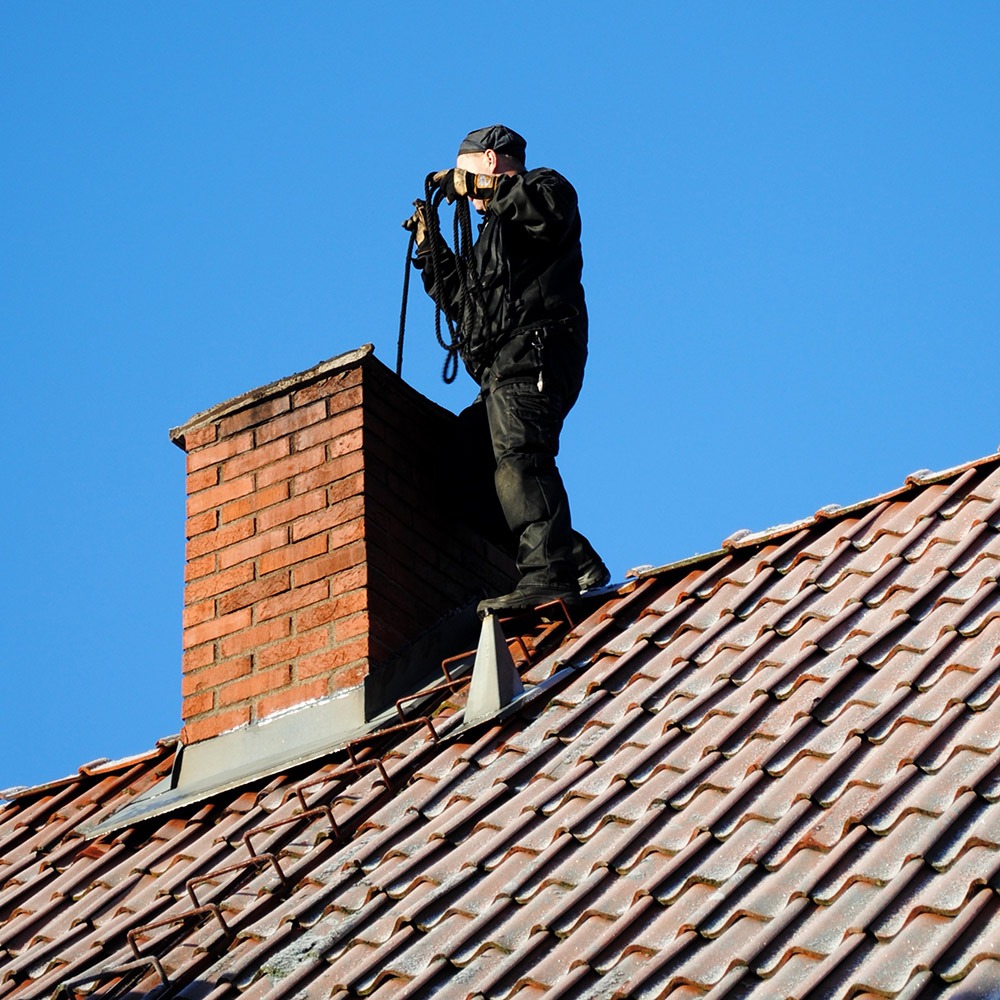
A small water stain near your fireplace can be the first warning of a much larger problem. In Riverhead, NY, seasonal rain, freezing temperatures, and changing weather conditions can gradually weaken exposed brickwork and mortar without obvious damage at first.
Homeowners often notice these problems only after moisture reaches interior walls or loose masonry begins falling from the upper structure. Chimney maintenance helps identify these concerns before they develop into expensive repairs.
TrueLine Home Improvement Inc provides exterior improvement and masonry services for Long Island properties, including restoration work around fireplaces and roofline structures. Understanding how these components deteriorate can help homeowners choose appropriate repairs, protect their properties, and avoid unnecessary replacement costs.
Understanding Chimney Services for Riverhead Properties
A masonry venting structure does more than carry smoke away from a fireplace. Its exterior materials must also withstand moisture, wind, temperature changes, and continued exposure to outdoor conditions.
Professional Chimney Services may include masonry restoration, damaged mortar replacement, crown repairs, flashing maintenance, and evaluating visible structural deterioration.
Each component serves a particular purpose.
The crown covers the upper masonry surface and helps direct rainwater away from vulnerable joints. Flashing protects the connection between the structure and surrounding roof materials. Mortar holds bricks together while accommodating the movement and moisture characteristics of the masonry.
When one component begins failing, nearby materials can become exposed to additional damage.
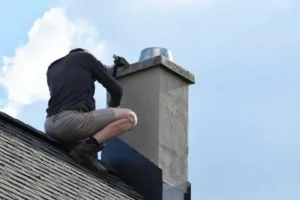
In Riverhead, one recurring concern worth watching for is deterioration near the upper brick courses, where wind-driven rain and winter weather can affect exposed joints. The damage may appear minor from ground level, even when closer examination reveals larger gaps.
Several warning signs deserve attention:
- Crumbling mortar: Gaps between bricks can allow water into the surrounding masonry.
- Cracked crown: Openings near the top can expose internal materials to moisture.
- Loose bricks: Movement may indicate weakened mortar joints or structural deterioration.
- Damaged flashing: Separation around the roofline can cause interior water staining.
- White mineral deposits: Efflorescence may indicate moisture moving through the masonry.
These conditions do not automatically require complete reconstruction. An appropriate repair depends on the extent of deterioration, the materials involved, and whether the underlying moisture source has been identified.
Early evaluation can help homeowners address localized defects before additional masonry becomes affected.
Why Riverhead Weather Creates Masonry Problems
Riverhead experiences cold winters, humid summers, seasonal rainfall, and storms that can place additional stress on exterior construction materials.
One particular concern is the freeze-thaw cycle.
Rainwater enters small openings in mortar or brick surfaces. When temperatures fall below freezing, trapped moisture expands, placing pressure on the surrounding materials. Repeated cycles can enlarge cracks, loosen joints, and contribute to surface deterioration.
Wind-driven rain can create problems around upper sections and roof flashing, particularly where older materials have already begun separating.
A Realistic Riverhead Homeowner Scenario
Consider a Riverhead homeowner who discovers a damp patch above the fireplace after several days of heavy rain. The bricks look relatively stable from the driveway, so the homeowner initially suspects a roofing problem. A closer professional assessment could reveal deteriorated flashing combined with cracked mortar near the crown. Addressing both affected areas would be more useful than simply painting over the interior stain.
This scenario highlights an overlooked issue: visible water damage does not always reveal where moisture entered the building.
Does Cracked Mortar Mean You Need a Complete Rebuild?
Localized Chimney repair in Riverhead , NY may be sufficient when the damage is restricted to a small number of mortar joints or individual bricks. Repointing involves removing weakened mortar to an appropriate depth before installing compatible replacement material. This restores affected joints without automatically removing otherwise stable masonry.
However, rebuilding may be necessary when large sections are displaced, the structure is unstable, or deterioration extends through multiple courses of brickwork. A common customer concern is paying for a complete replacement when a smaller repair could solve the problem. The most practical approach is to request an explanation of the damage, photographs of affected sections, and a written description of the recommended work.
Homeowners should also ask whether the contractor has identified the cause of deterioration. Replacing damaged mortar without addressing ongoing water entry may allow the same problem to return.
How TrueLine Home Improvement Approaches Exterior Masonry Work
Effective exterior restoration begins by identifying which materials have failed and determining how the surrounding structure has been affected.
TrueLine Home Improvement Inc lists masonry work, roof repairs, and chimney restoration among its home improvement offerings. These related service areas matter because problems around a fireplace structure can involve both masonry and roofing components.
For Riverhead homeowners, a repair assessment should address the following areas before work begins.
Examining Brickwork and Mortar Joints
The first consideration is the visible condition of the masonry.
Cracked joints, loose bricks, uneven surfaces, and deteriorating mortar can indicate different repair requirements. Some sections may only need localized attention, while widespread instability requires further investigation.
Proper Chimney masonry repair also depends on selecting mortar compatible with the existing bricks.
Using an excessively hard mortar on older, softer masonry can increase the likelihood of brick damage as the materials respond differently to moisture and temperature.
Checking Crown and Flashing Conditions
The upper surface and roof connection are common moisture entry points.
A damaged crown may require repair or replacement depending on the location and extent of cracking. Flashing must also be evaluated where the masonry passes through the roof.
One detail homeowners often overlook is that water can travel along concealed materials before appearing as an interior stain.
For this reason, the location of a ceiling mark does not always correspond directly with the exterior defect.
Evaluating Protective Components
A properly selected cap can help limit rain entry and prevent certain animals or debris from entering the flue opening.
Where Chimney cap installation in Sag Harbor , NY is necessary, the component must suit the existing flue configuration and allow exhaust gases to exit safely.
Protective caps are not substitutes for repairing defective crowns, loose bricks, or deteriorated flashing.
Explaining the Recommended Work
A useful repair proposal should identify the damaged sections, proposed materials, access requirements, and expected scope of work.
Homeowners benefit from understanding which repairs address immediate concerns and which improvements are preventive.
Separating essential repairs from optional maintenance also makes comparing estimates easier and helps avoid spending money on unrelated work.
Practical Maintenance Tips for Riverhead Homeowners
The condition of exterior masonry can change gradually, making periodic observation useful even when a fireplace is rarely used.
For Riverhead homeowners, a second practical observation is that moisture-related warning signs may appear during rainy months rather than during winter fireplace use. Damp smells, discolored walls, and staining near the roofline can develop long before anyone notices a heating problem.
Several straightforward maintenance habits can help identify damage early.
Arrange Regular Venting Inspections
An annual Fireplace chimney inspection is recommended for identifying deposits, obstructions, liner defects, and conditions that may affect safe operation.
Inspection requirements can differ depending on the type of appliance and its history. Changes to the connected heating system, a previous fire, or suspected damage may call for a more detailed evaluation.
Homeowners should use an appropriately qualified professional for internal flue and combustion safety assessments.
Understand When Cleaning Is Necessary
Chimney sweep and cleaning removes soot, creosote, and other accumulations that can interfere with venting or contribute to fire hazards.
The amount of buildup depends on fuel type, appliance operation, and usage patterns. An inspection helps determine whether cleaning is required.
A masonry contractor repairing exterior bricks does not necessarily perform specialized internal sweeping, so confirm the exact services included before scheduling an appointment.
Watch for Damage Following Heavy Rain
After significant rainfall, check accessible areas around the fireplace and nearby ceilings for new discoloration.
Document when stains appear and whether they worsen during windy conditions.
Avoid climbing onto the roof to investigate. A qualified contractor can inspect elevated areas with suitable access equipment and safety measures.
Compare Estimates Beyond the Total Price
Riverhead homeowners should request written estimates that explain what will be repaired and which materials will be used.
Ask whether damaged bricks will be replaced, deteriorated joints will be repointed, and affected roof connections will be addressed.
Check relevant licensing and insurance before hiring. Timing matters as well, since masonry work needs suitable installation and curing conditions.
A clear scope of work is more useful than selecting a contractor solely because the initial price is lower.
Keep Your Riverhead Home Protected From Masonry Damage
Water entry, failing mortar, and damaged flashing deserve attention before they create additional problems around the roof or fireplace. A professional assessment can help determine whether targeted restoration or more substantial work is appropriate. TrueLine Home Improvement Inc offers chimney-related masonry and exterior repair services in Riverhead, NY. Visit the Riverhead service page to discuss visible damage and request an estimate for your property.
FAQs
How often should homeowners schedule a chimney inspection in Riverhead, NY?
Homeowners should generally schedule an inspection once a year, even if they use their fireplace occasionally. Regular evaluations can identify damaged flue liners, blockages, moisture problems, and deteriorating masonry. Additional assessments may be necessary after severe storms, a chimney fire, or changes to an existing heating appliance.
How much does chimney repair cost in Riverhead, NY?
Repair costs depend on the extent of deterioration, accessibility, materials, and labor required. Repointing a few damaged joints usually costs less than replacing multiple brick courses or rebuilding a crown. Homeowners should request a written estimate after an on-site assessment rather than relying on a general price without examining the property.
How can I find a reliable chimney contractor in Riverhead?
Look for contractors with relevant experience, appropriate licensing, insurance, and verifiable customer reviews. Ask for photographs of similar completed projects and a written explanation of recommended repairs. A dependable contractor should distinguish necessary work from optional improvements and explain potential costs before the project begins.
Can a damaged chimney cause water leaks inside my home?
Yes. Cracked masonry, deteriorated flashing, damaged crowns, and missing protective components can allow rainwater to enter surrounding materials. Moisture may travel through concealed areas before appearing as stains near a fireplace or ceiling. Identifying the actual entry point is essential because repairing visible interior damage alone will not stop the leak.
Is chimney cleaning necessary if I do not use my fireplace often?
Occasional fireplace use does not eliminate the need for inspections. Birds, leaves, moisture, and deteriorating materials can affect a flue even during periods of inactivity. Cleaning requirements depend on inspection findings and accumulated deposits. Before using a fireplace after an extended break, have the venting system evaluated by a qualified professional.